
厦门达达 XIAMEN DADA — A Chinese Modern Art Movement Since 1983
厦门达达美术运动, 始于1983年,由黄永砅,林嘉华,俞晓刚,焦耀明, 许成斗. 在厦门市群众艺术馆举行 "厦门五人现代美术展"
Xiamen Modern Art Exhibition of Five Artists
Huang Yongping, Lin Jiahua, Xiao gang Yu, Jiao Yueming, Xu Chengdou
前言
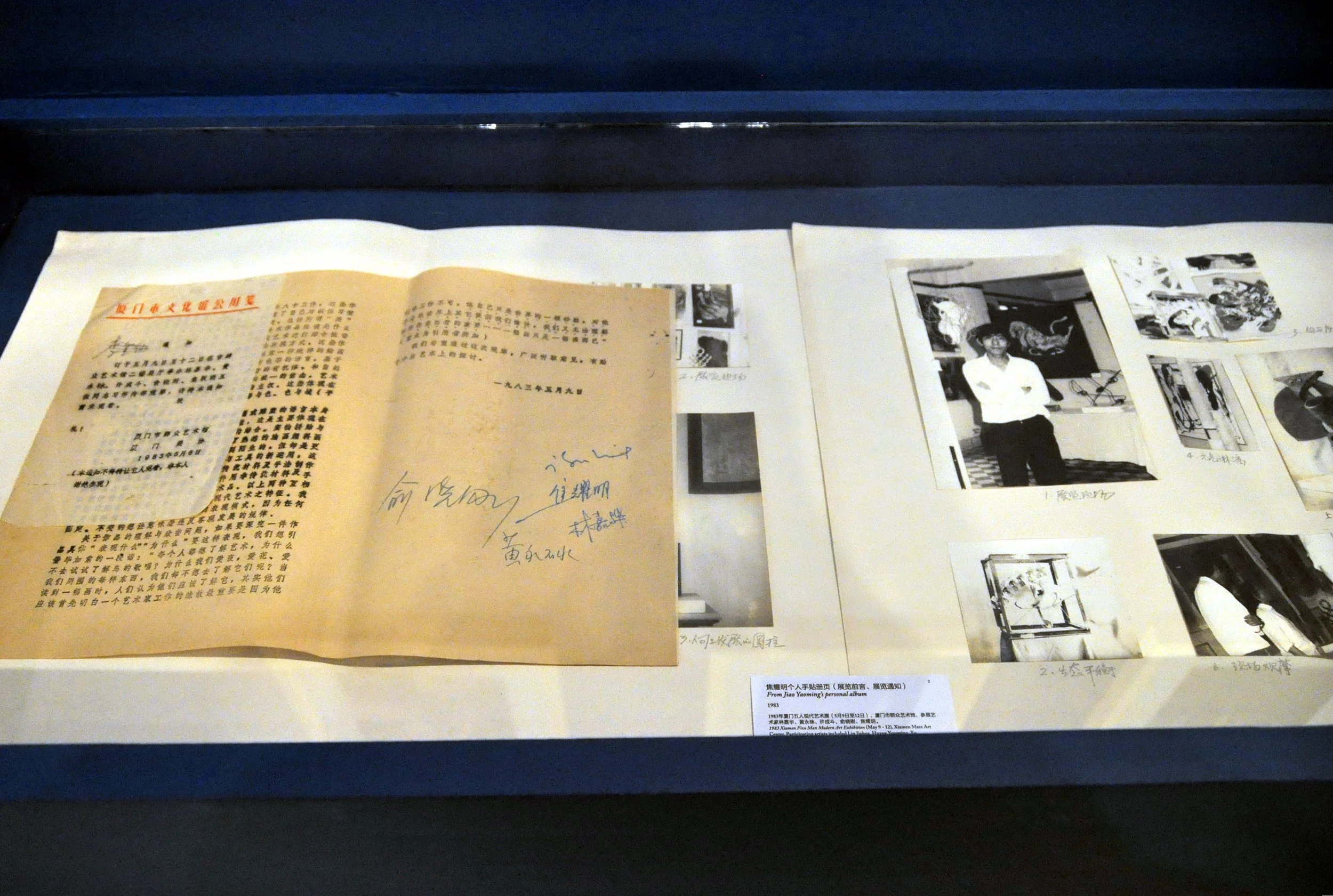
这里展出的绘画,雕塑作品共83件,这些作品的显著特征是;作者大胆地披露了自己对以往习惯的"幻象"艺术观念及价值的质疑,包括所谓"美"的法则以及一件在展览会展出美术作品的作品应该是什么样的固定看法;在现实中,对现代艺术进行综合性尝试,寻求多种体现"现代精神"的表现方式。这些作品大致划分为两种倾向:一是探索一种纯粹的绘画平面与雕塑空间的语言,形式与色彩的语言,及艺术作品是一种独立自主的,和谐的有机体,和自然平行,而且最终达到与自然更高的统一信念,艺术家对怎样表现这种信念有完全的主权,这些体现在类似的"抽象"形式中,体现在形与色色与域等诸关系中。二是试图超越这种纯粹的绘画或雕塑的语言本身,在艺术与生活之间建立一种桥梁,这是主要体现在立体与平面的结合,实物与幻想的结合,实物拼贴与构成的作品之中,这里我们离开了熟悉油画颜料,画笔,离开雕塑泥巴和雕塑刀,来到陌生的,但却是更为广阔的多种材料的领域,材料与工具的新意用需要从观念上加以改变,用传统材料及手法制作的作品并非一定事件艺术品兼用非传统材料及手法制作的作品并非是一件艺术品;以上两种互相矛盾的倾向之渗透,恰恰是当今现代艺术之特征,我们并不想拘泥与任何种固定的表现模式,因为任何固定不变的想法意味着违反客观发展的规律。
关于作品的理解与欣赏问题,如果要深究一件作品具体"表现什么"为什么要这样表现?我们想引借毕加索的一段话:每个人都想了解艺术,为什么不去试试了解鸟的唱歌,为什么我们爱夜晚,爱花,爱我们周围的每样东西,我们却不想去了解他们呢?当读到一幅画时,人们认为他应该了解它,其实他们应该首先明白一个艺术家的工作缘故,最重要的是因为他们非工作不可,他自己只是世界上的一颗沙粒,对他不必比世界上其他提供我们愉快,我们又无法理解的那些东西看得重要… 一幅画只是一幅画而已。
我们希望通过这次观摩广泛听取意见,有助于今后艺术上的探讨,
一九八三年 五月九日
林嘉华 黄永砅 焦躍明 俞晓刚 许成斗 (签名)
Statement
The exhibition features 83 paintings and sculptures, characterized by the artist's bold questioning of conventional "illusory" artistic concepts and values, including the so-called laws of "beauty" and fixed views on what a work of art exhibited in a fair should look like. The exhibition also showcases a comprehensive exploration of modern art, seeking diverse ways to embody the "modern spirit." These works can be broadly categorized into two tendencies: one explores a pure language of pictorial plane and sculptural space, the language of form and color, and the belief that an artwork is an independent, harmonious organism, parallel to nature, and ultimately achieving a higher unity with it. The artist has complete sovereignty over how to express this belief, manifested in similar "abstract" forms and in the relationships between form, color, and space. Secondly, it attempts to transcend the purely artistic language of painting or sculpture, building a bridge between art and life. This is primarily manifested in the combination of three-dimensional and two-dimensional elements, the integration of reality and fantasy, and the collage and composition of objects. Here, we leave behind familiar oil paints and brushes, sculpting clay and chisels, and enter a new and broader realm of diverse materials. The novelty of materials and tools requires a conceptual shift. Works made with traditional materials and techniques are not necessarily works of art; works made with non-traditional materials and techniques are not necessarily works of art. The interpenetration of these two contradictory tendencies is precisely a characteristic of contemporary modern art. We do not want to be confined to any fixed mode of expression, because any fixed and unchanging idea means violating the laws of objective development.
Regarding the understanding and appreciation of works, if we want to delve into what a work specifically "represents" and why it is represented in this way, we would like to quote Picasso: "Everyone wants to understand art, so why not try to understand the song of birds? Why do we love the night, love flowers, love everything around us, but don't want to understand them?" When people view a painting, they think they should understand it. But they should first understand the artist's work, and most importantly, that it's because they have to work. The artist is merely a grain of sand in this world, and shouldn't be considered more important than other things in the world that provide us with pleasure but which we cannot understand… A painting is just a painting.
We hope that this viewing will allow us to gather a wide range of opinions, which will contribute to future artistic discussions.
May 9, 1983
Lin Jiahua, Huang Yongping, Jiao Yueming, Yu Xiaogang, Xu Chengdou (Signatures)
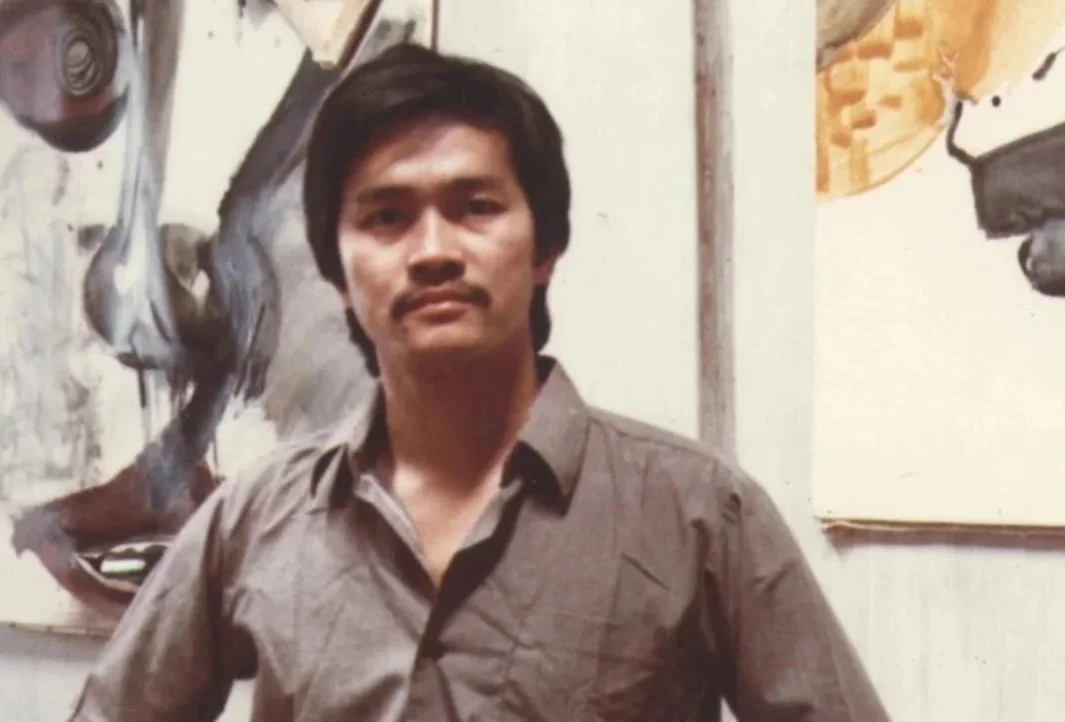
林嘉华 Lin Jiahua 1952年出生于厦门,中国当代艺术家,"厦门五人现代美术展" 發起人. 獨立艺術家,設計師,策展人. Lin Jiahua was born in Xiamen in 1953. Is a contemporary Chinese artist, He is one of the founders of the "Xiamen Dada Movement", an independent artist, designer, and curator.
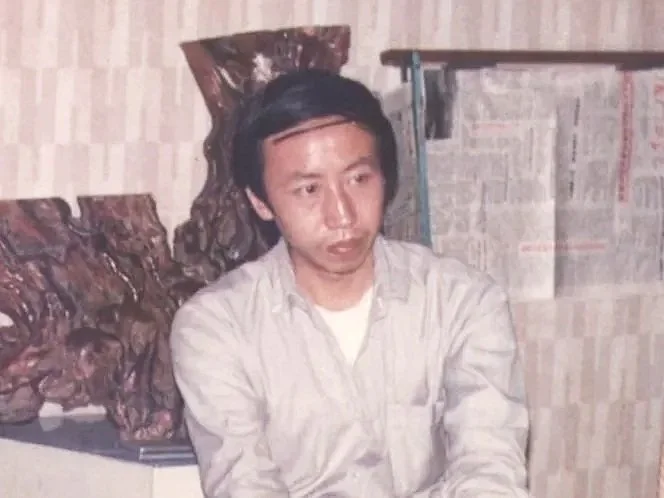
黃永砅 Huan Yongping 1955年出生于厦门,当代艺术家 1982年畢業于中國美術學院油画系 1989年旅居巴黎 獨立艺術家,"厦门五人现代美术展" 發起人. 2019.10月 病逝于法国巴黎. Huang was born in Xiamen in 1955. He graduated from the China Academy of Art in 1982 moved to France in 1989. He was an independent artist One of the initiators of the "Xiamen Dada Art Movement" He passed away in Paris, France in 2019. 10
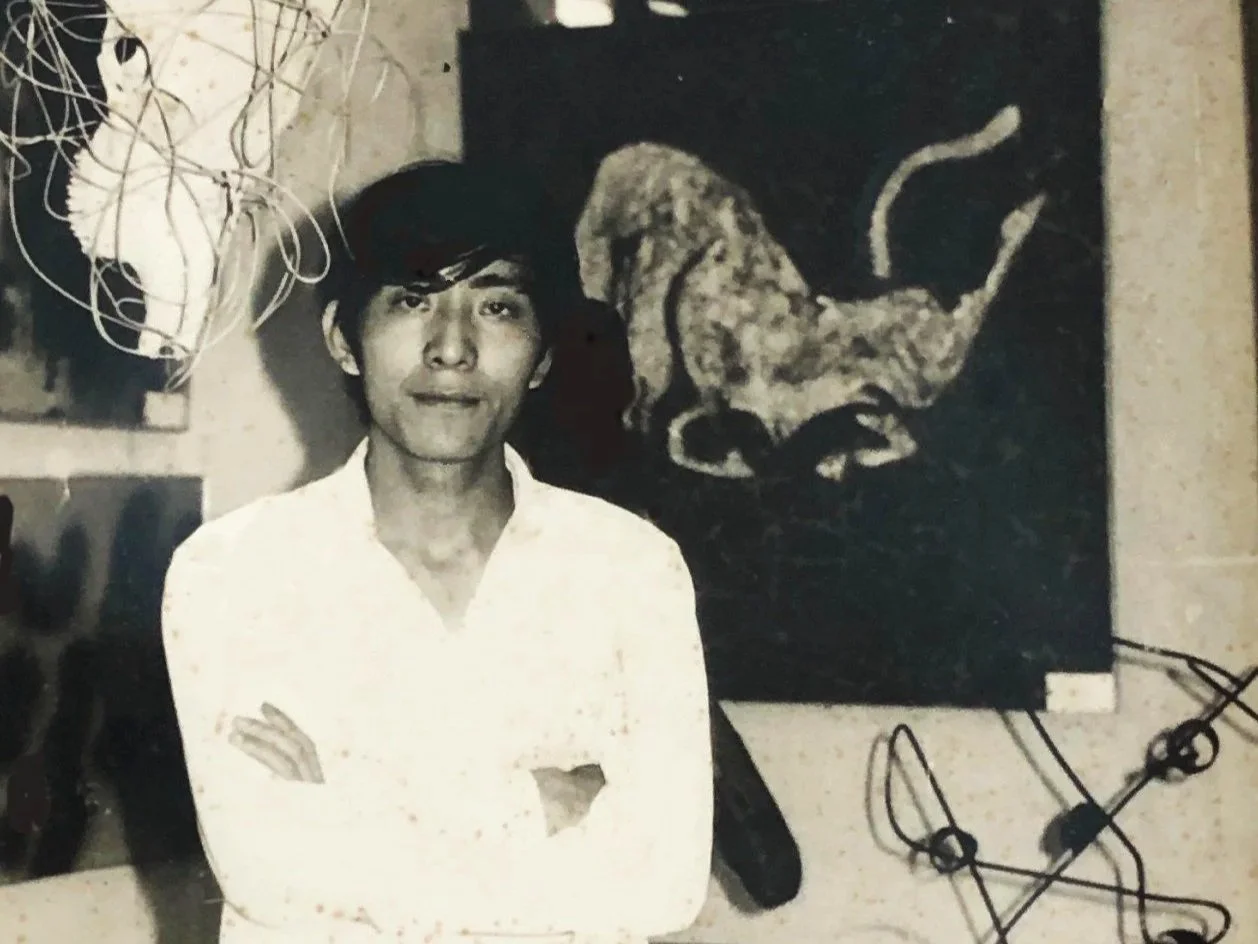
焦跃明 Jiao Yaoming 中国当代艺术家,1957年出生于柳州 1982年毕业于广州美术学院雕塑系 雕塑家,城市设计师,"厦门五人现代美术展" 发起人. Jiao is a contemporary Chinese artist, born in Liuzhou in 1957. He graduated from the Guangzhou Academy of Fine Arts in 1982. He is a sculptor, urban designer, one of the founders of Xiamen Dada.
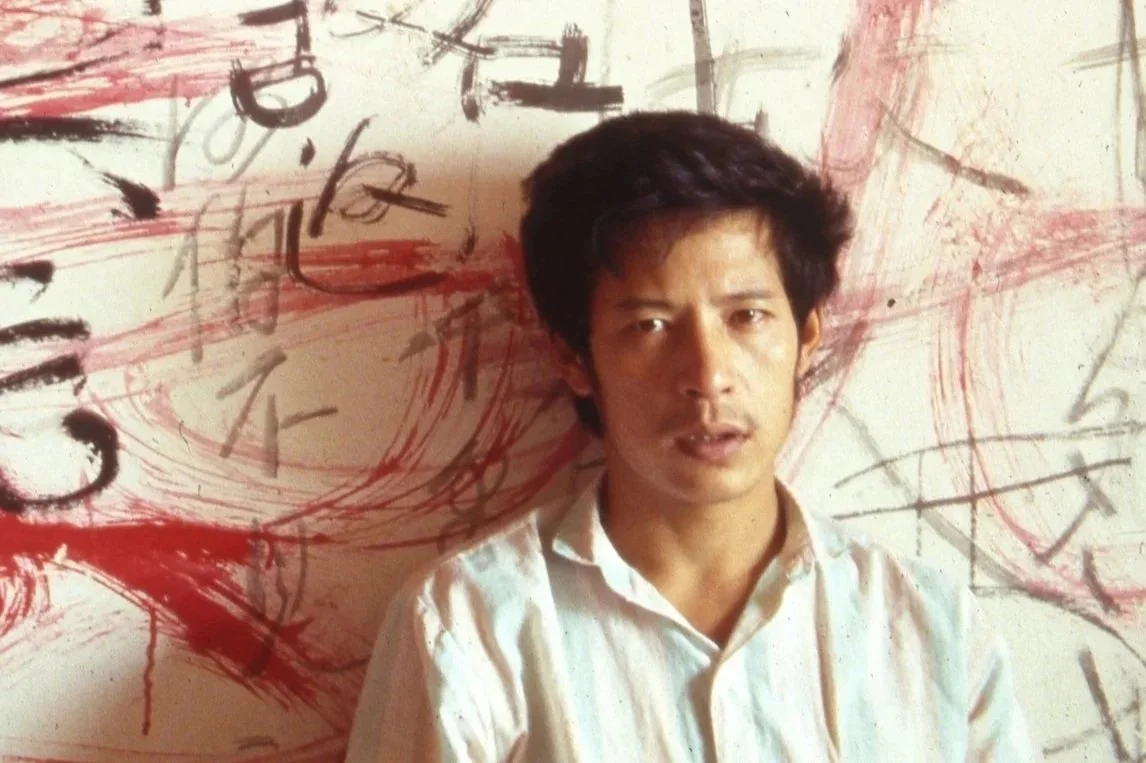
俞晓刚 Yu Xiaogang 1958年出生于杭州,当代艺术家 1982年毕业于中國美術學院油画系 现居澳大利亞,獨立艺術家 "厦门五人现代美术展" 發起人. Yu Xiaogang was born in Hangzhou in 1958 He is a contemporary artist graduated from the China Academy of Art in 1982 Currently resides in Australia He is an independent artist One of the initiators of the "Xiamen Dada Art Movement".
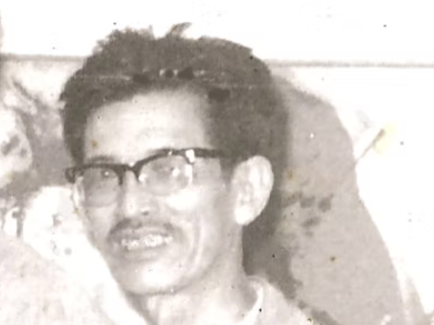
许成斗 Xu Chengdou 画家,越南归侨 年轻时跟随在越南的法国艺术家学习现代繪畫 1950年代归国,1999年病逝於廈門 Painter, returned overseas Chinese from Vietnam. In his youth, he studied modern painting under a French artist in Vietnam. He returned to China in the 1950s and passed away in Xiamen in 1999
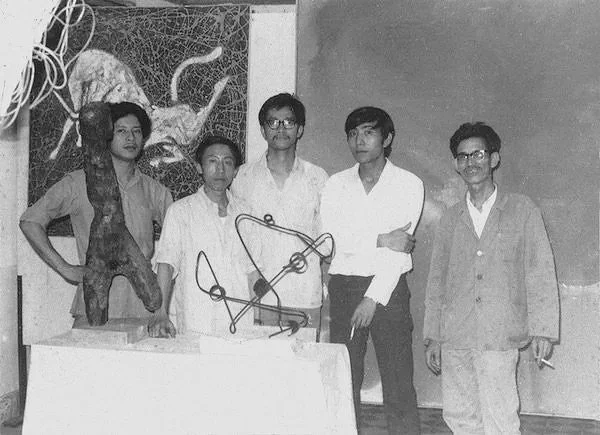
厦门五人现代美术展 1983 Xiamen Modern Art Exhibition of Five Artists 俞晓刚, 黄永砅, 林嘉华, 焦耀明, 许成斗 (左起) Xiao Gang Yu, Huang Yong Ping, Lin Jiahua, Jiao Yaoming, Xu Chengdou. (left to right)
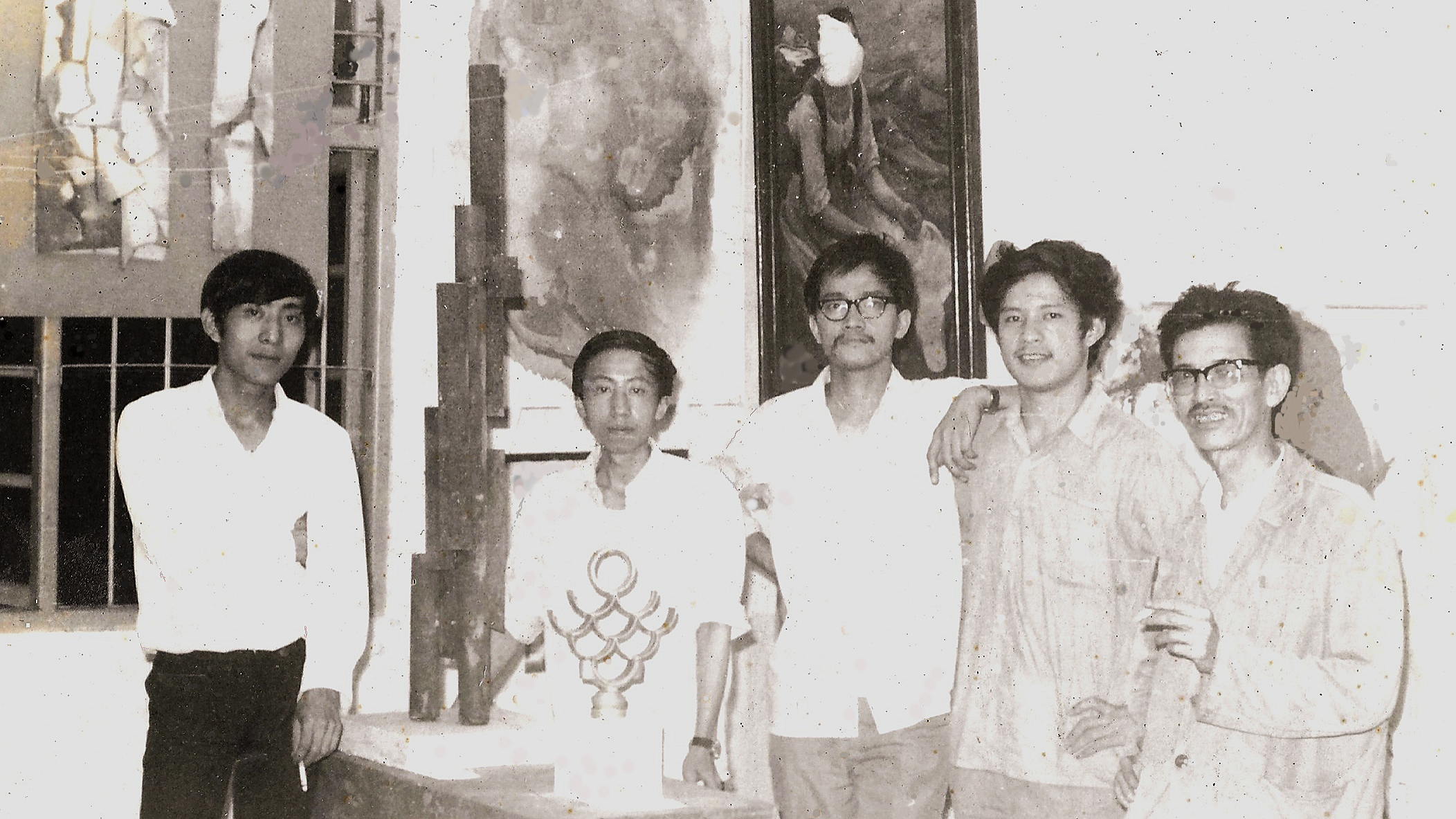
焦耀明, 黄永砅, 林嘉华, 俞晓刚, 许成斗 (左起) Jiao Yaoming, Huang Yong Ping, Lin Jiahua, Xiaogang Yu, Xu Chengdou. (left to right) 1983
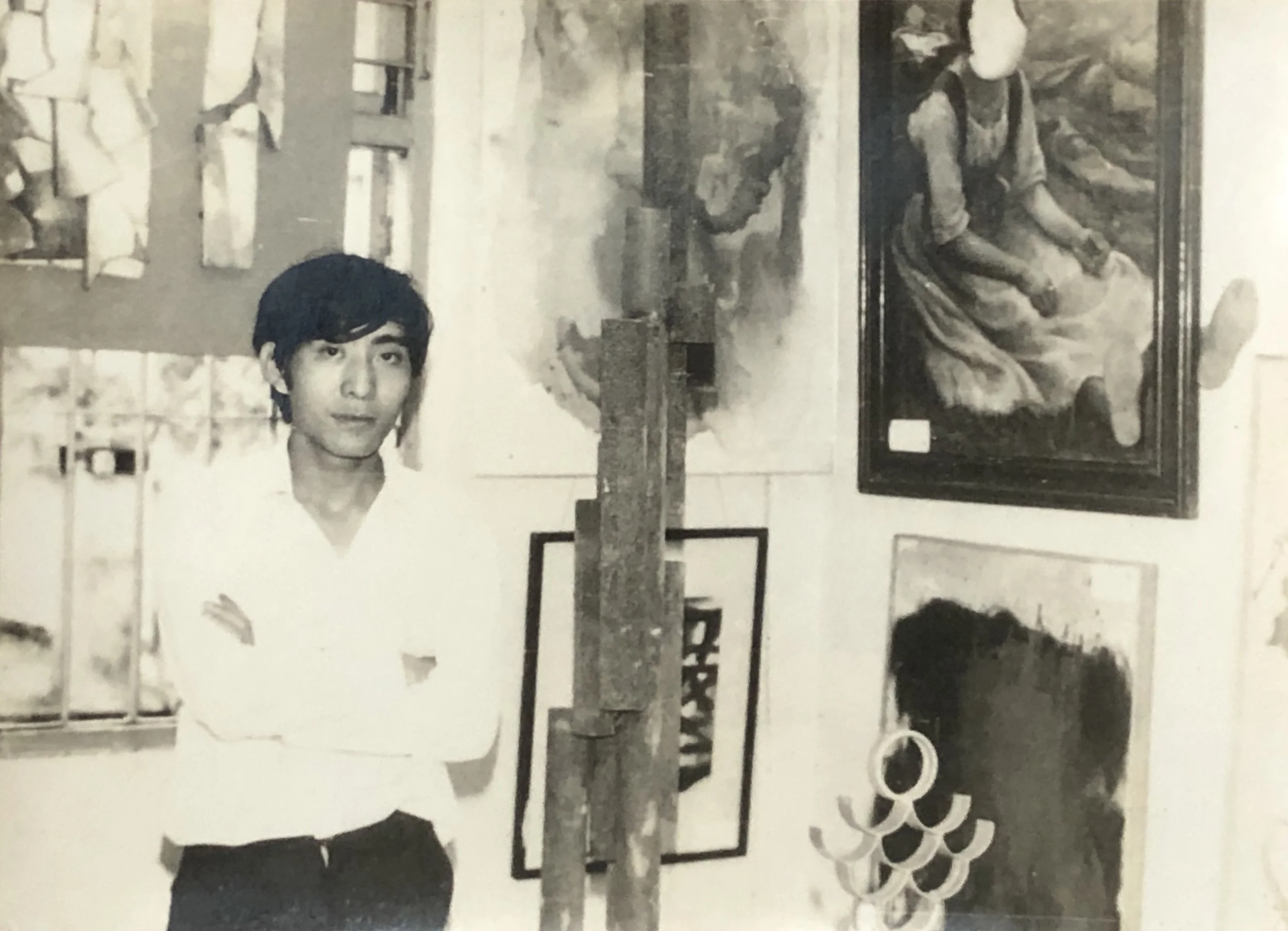
焦跃明 Jiao Yaoming Xiamen 1983
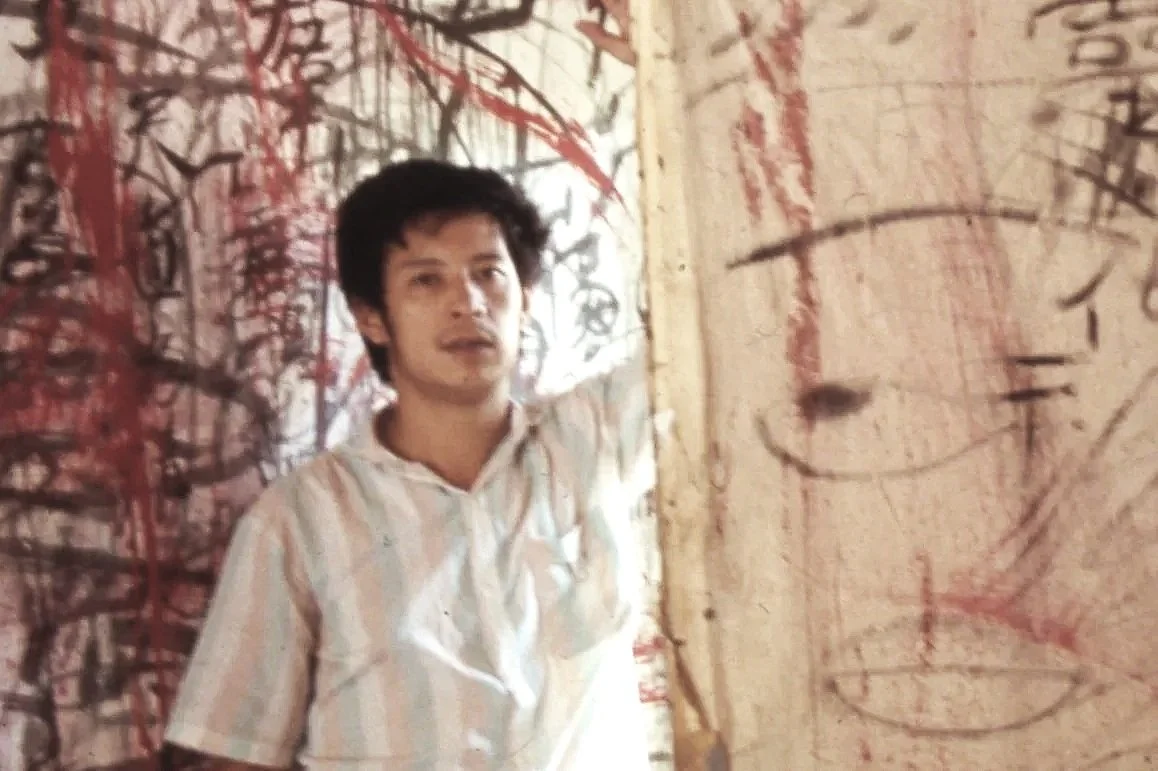
俞晓刚 Yu Xiaogang Xiamen 1983
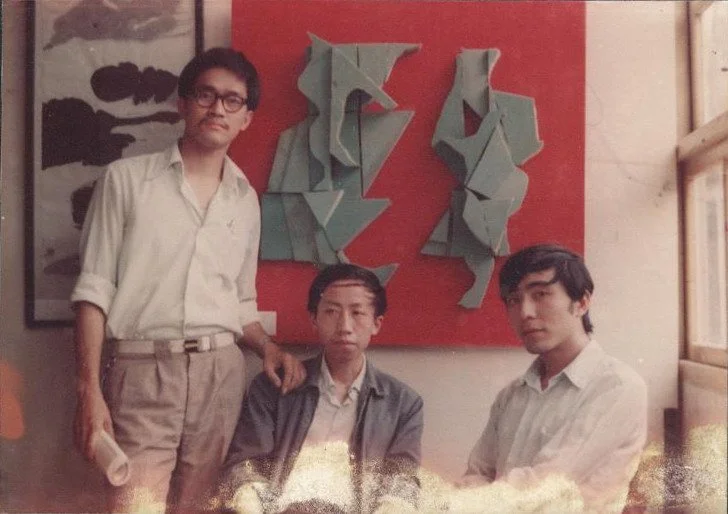
林嘉华, 黄永砅, 焦耀明. (左起) Lin Jiahua, Huang Yong Ping, Jiao Yaoming (left to right) Xiamen 1983
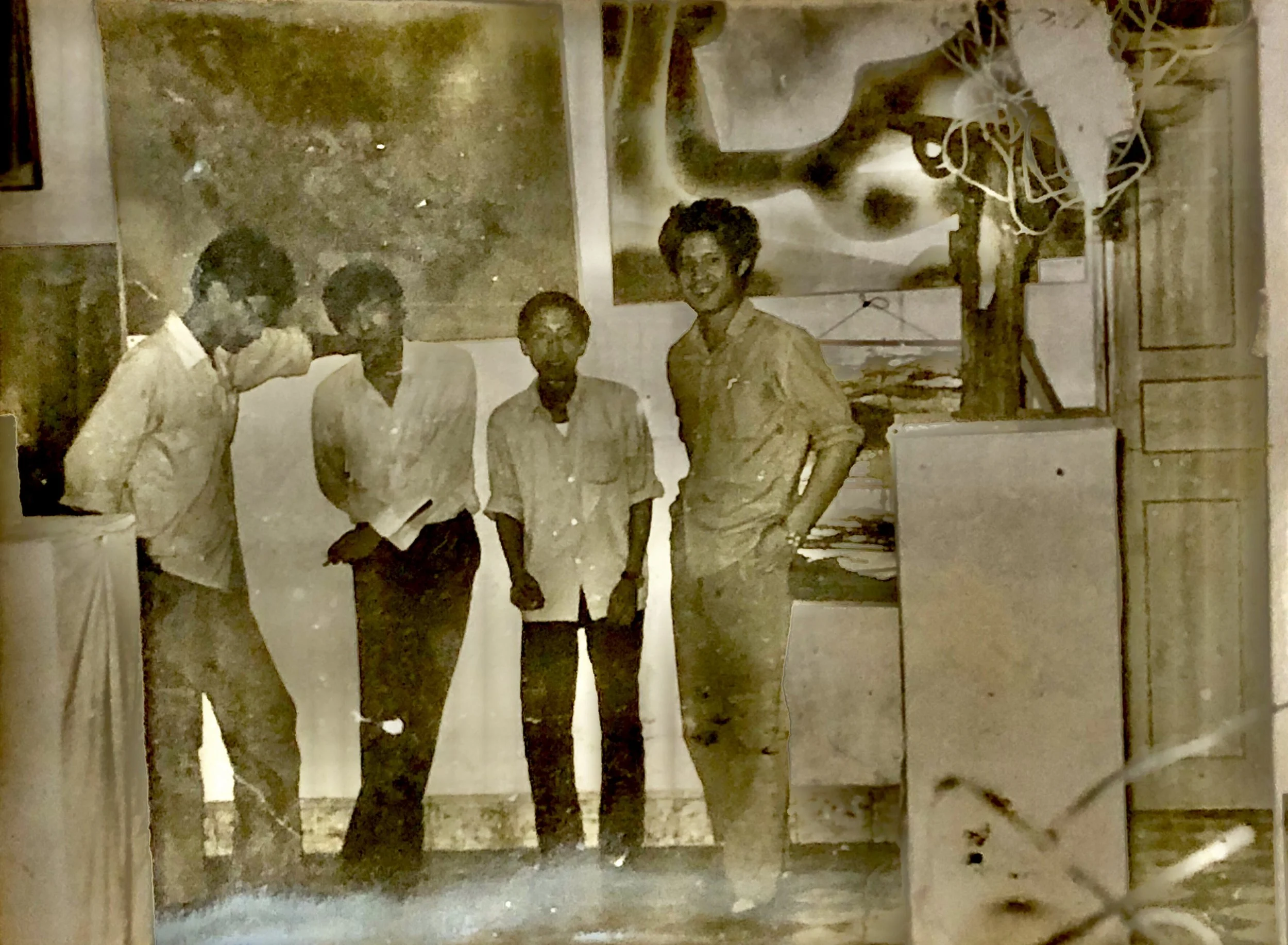
许成斗, 焦耀明, 黄永砅, 俞晓刚, (左起) Xu Chengdou, Jiao Yaoming,Huang Yong Ping, Xiao Gang Yu, (left to right) Xiamen 1983
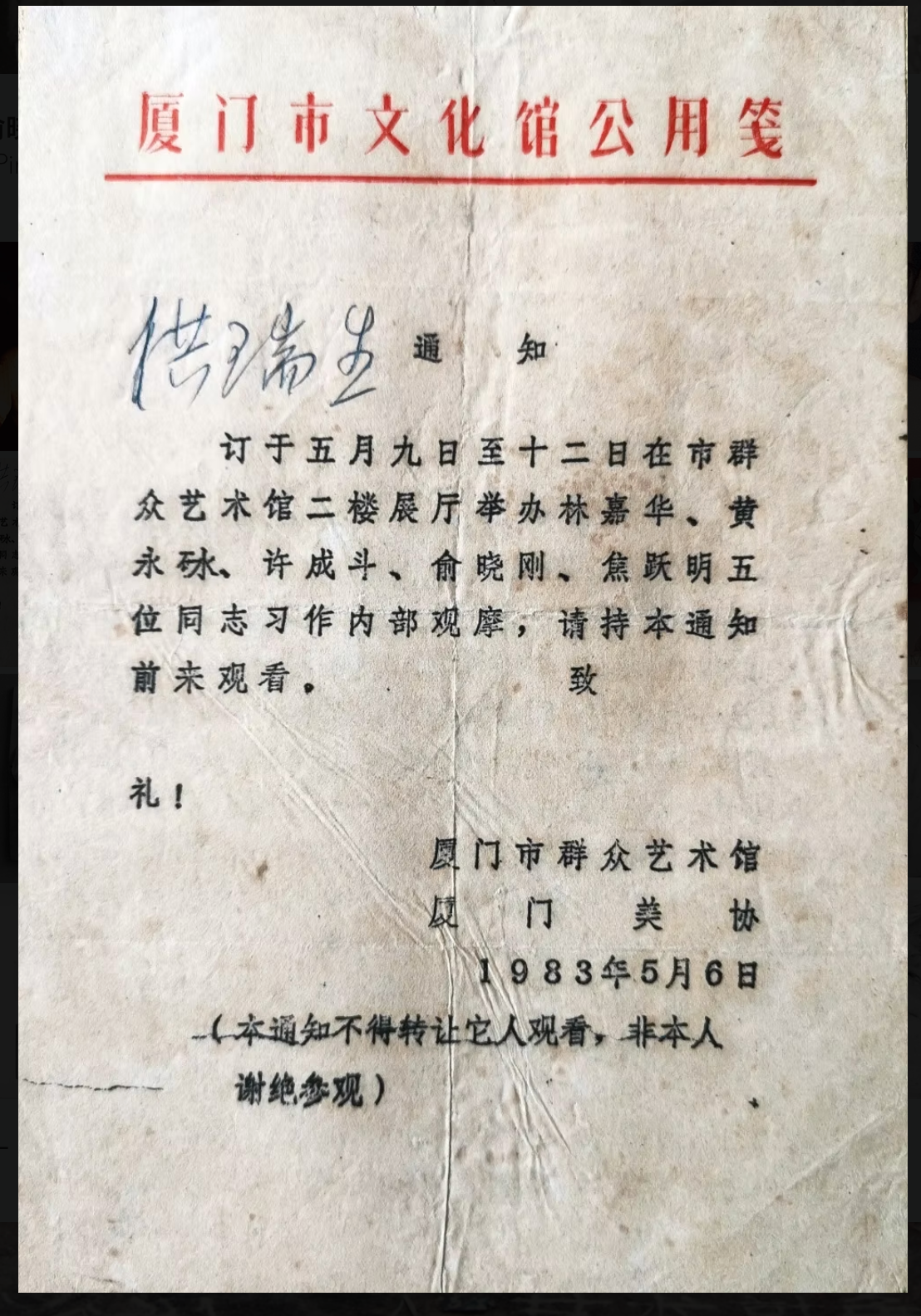
厦门五人现代美术展 Xiamen Modern Art Exhibition of Five Artists 邀请信 Invitation Xiamen 1983
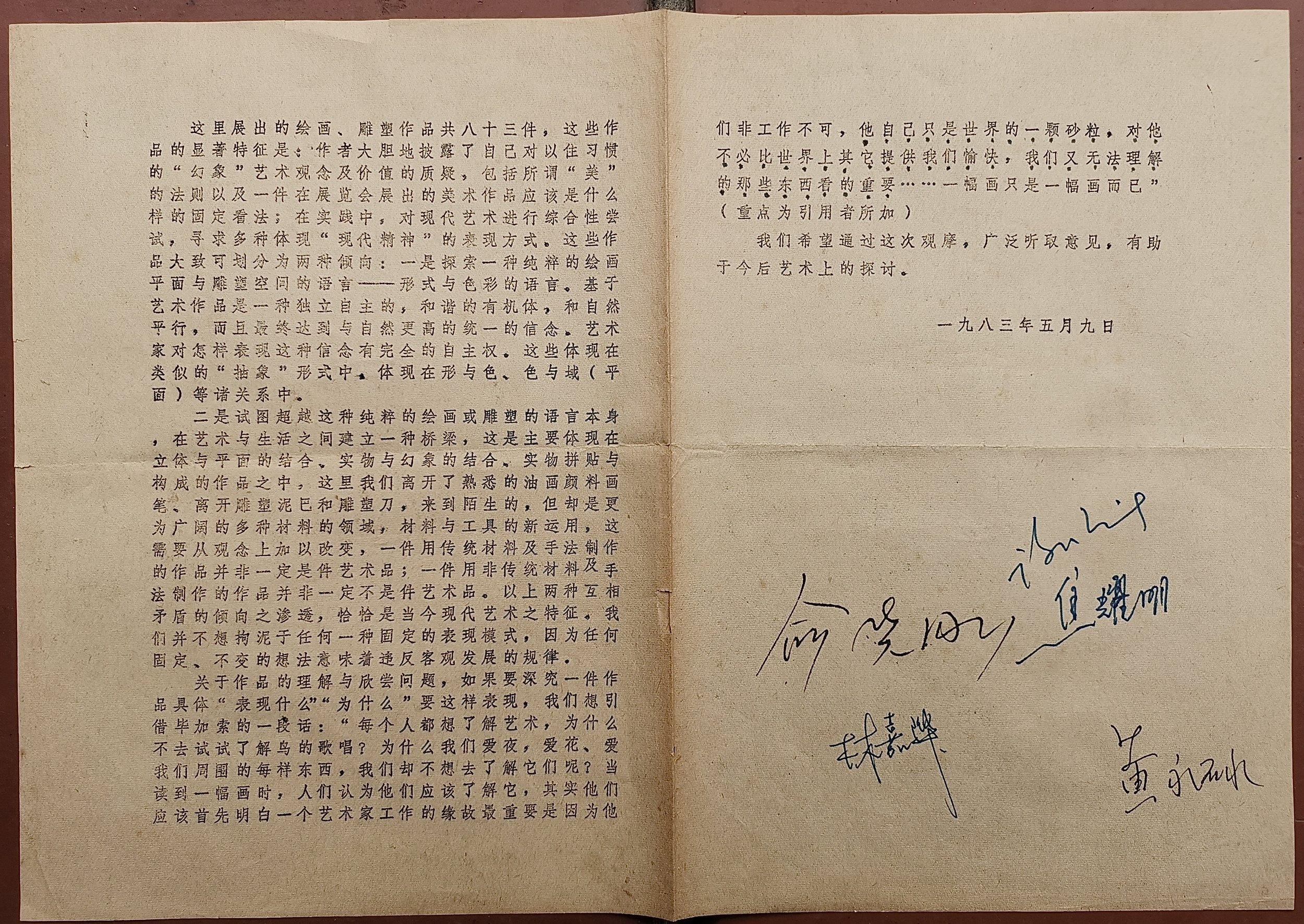
厦门五人现代美术展 1983 Xiamen Modern Art Exhibition of Five Artists Statement
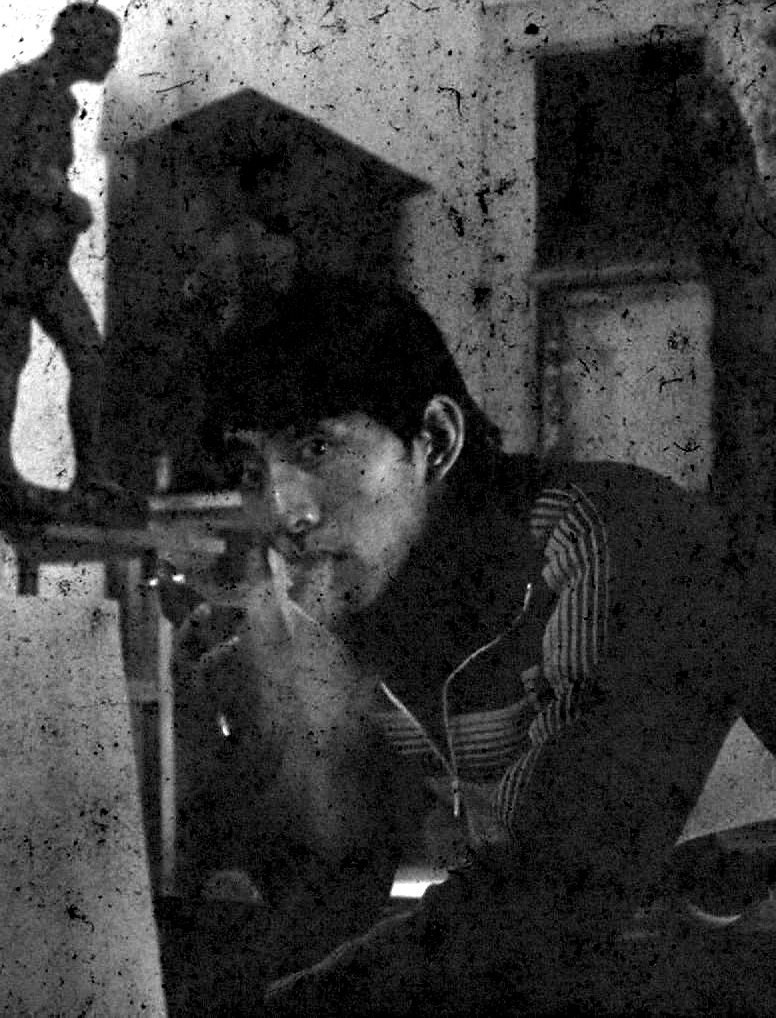
焦跃明 Jiao Yaoming Xiamen 1983
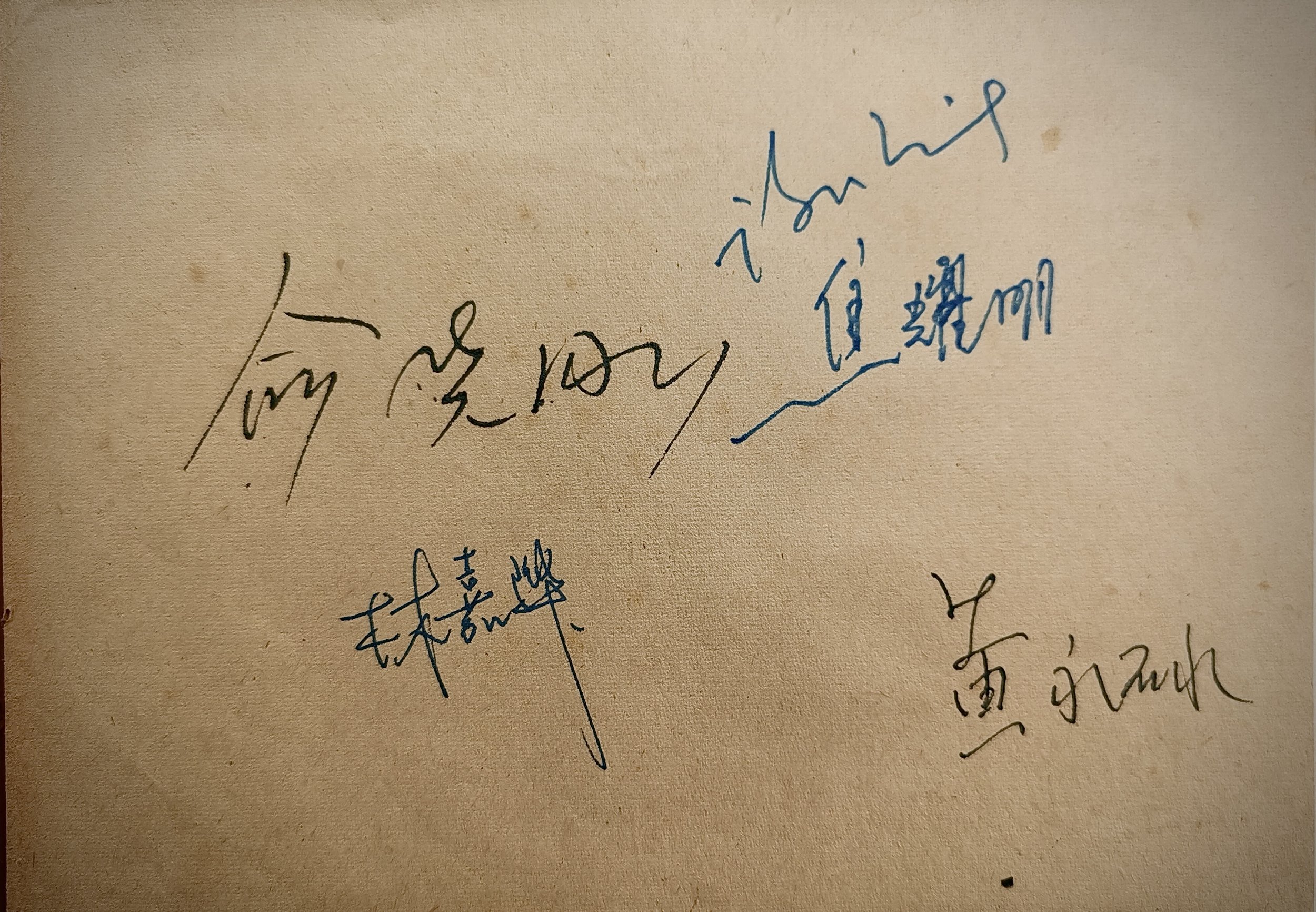
俞晓刚, 林嘉华, 焦耀明, 许成斗, 黄永砅. 签名
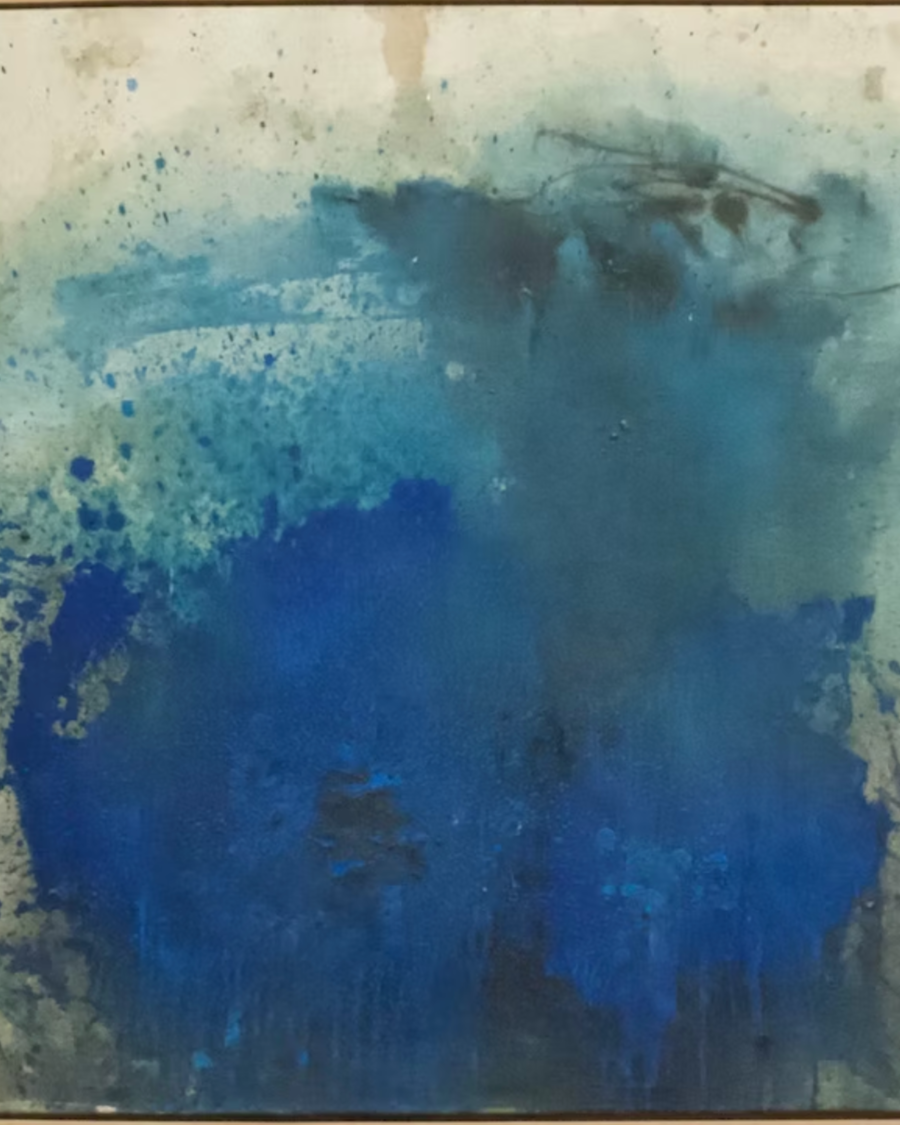
俞晓刚 Yu Xiaogang 油画 Oil on canvas 700 x 1000 Xiamen 1983
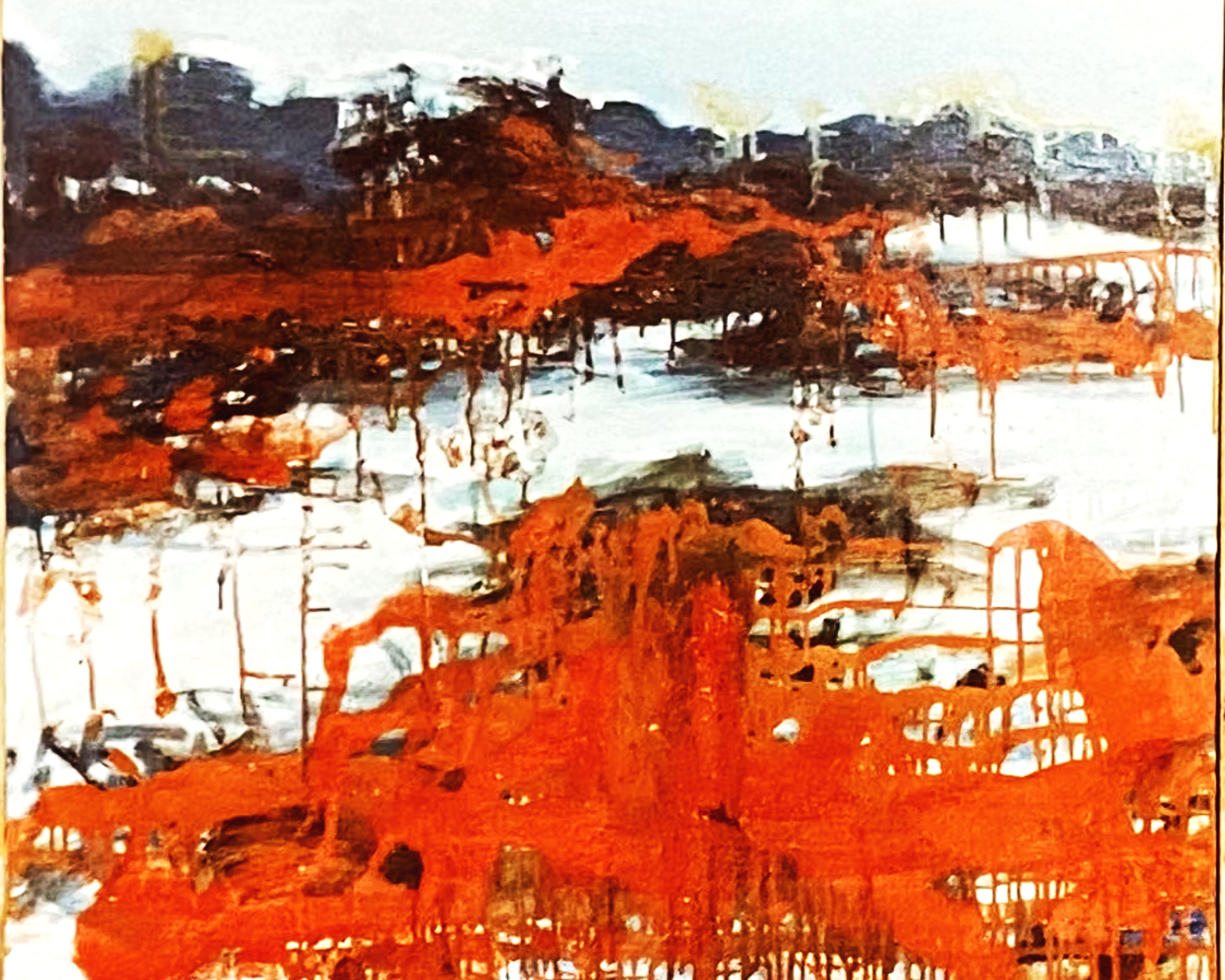
俞晓刚 Yu Xiaogang 油画 Oil on canvas 1000 x 700 Xiamen 1983
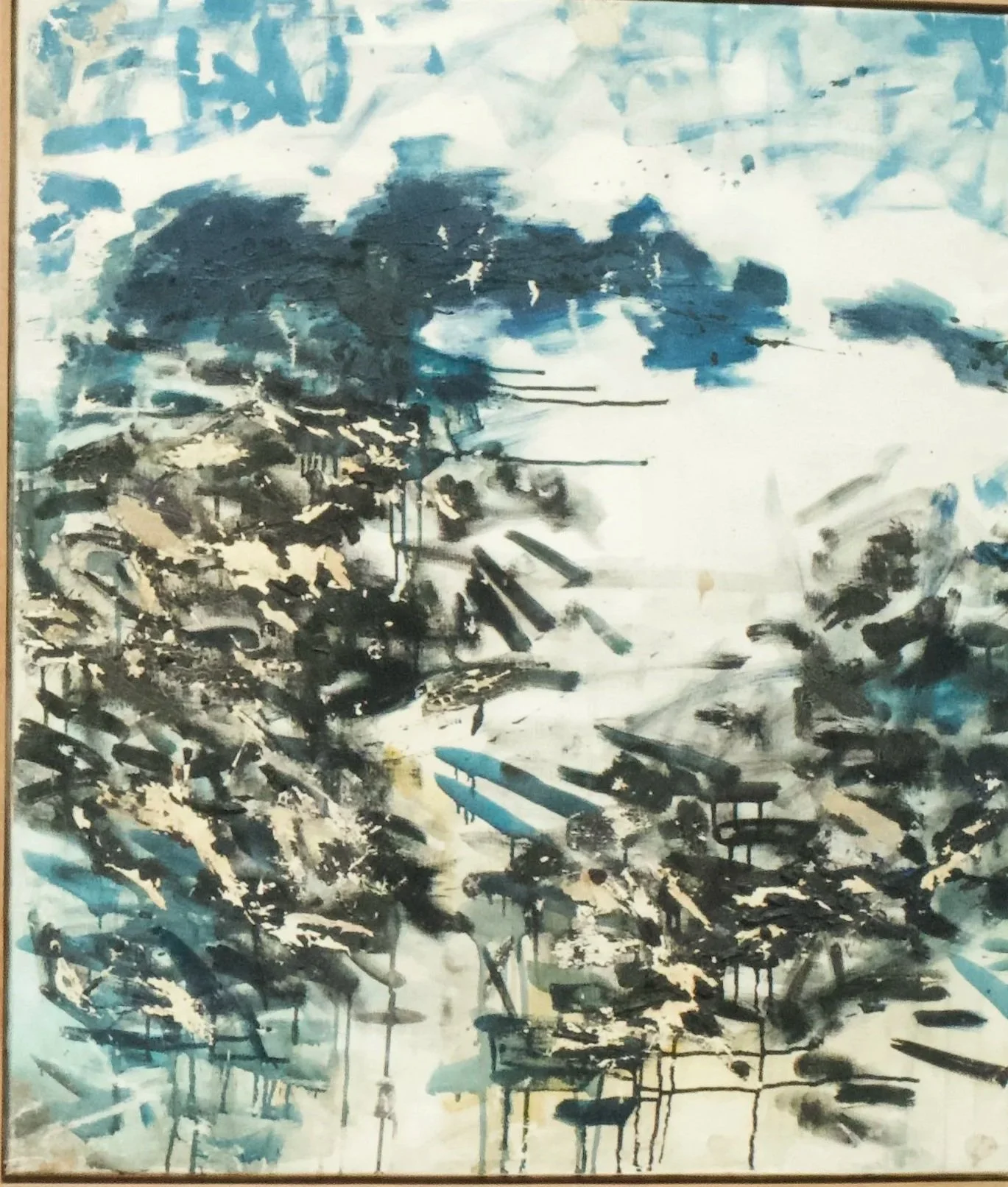
俞晓刚 Yu Xiaogang 油画 Oil on canvas 1983 700 x 1000
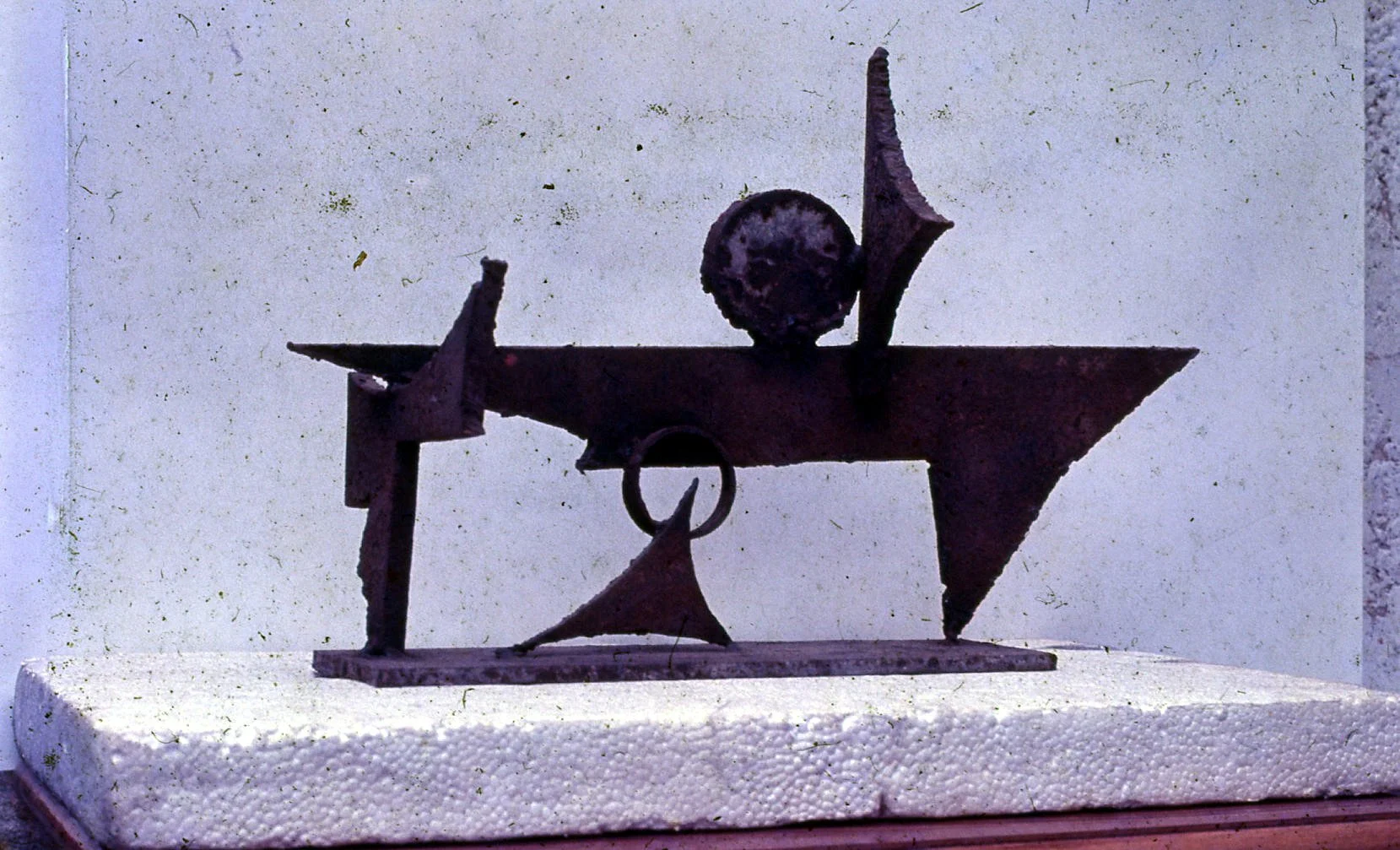
焦跃明 Jiao Yaoming 不同朝向的锐角 Acute angles in different directions 1983 金属焊接 Metal welding
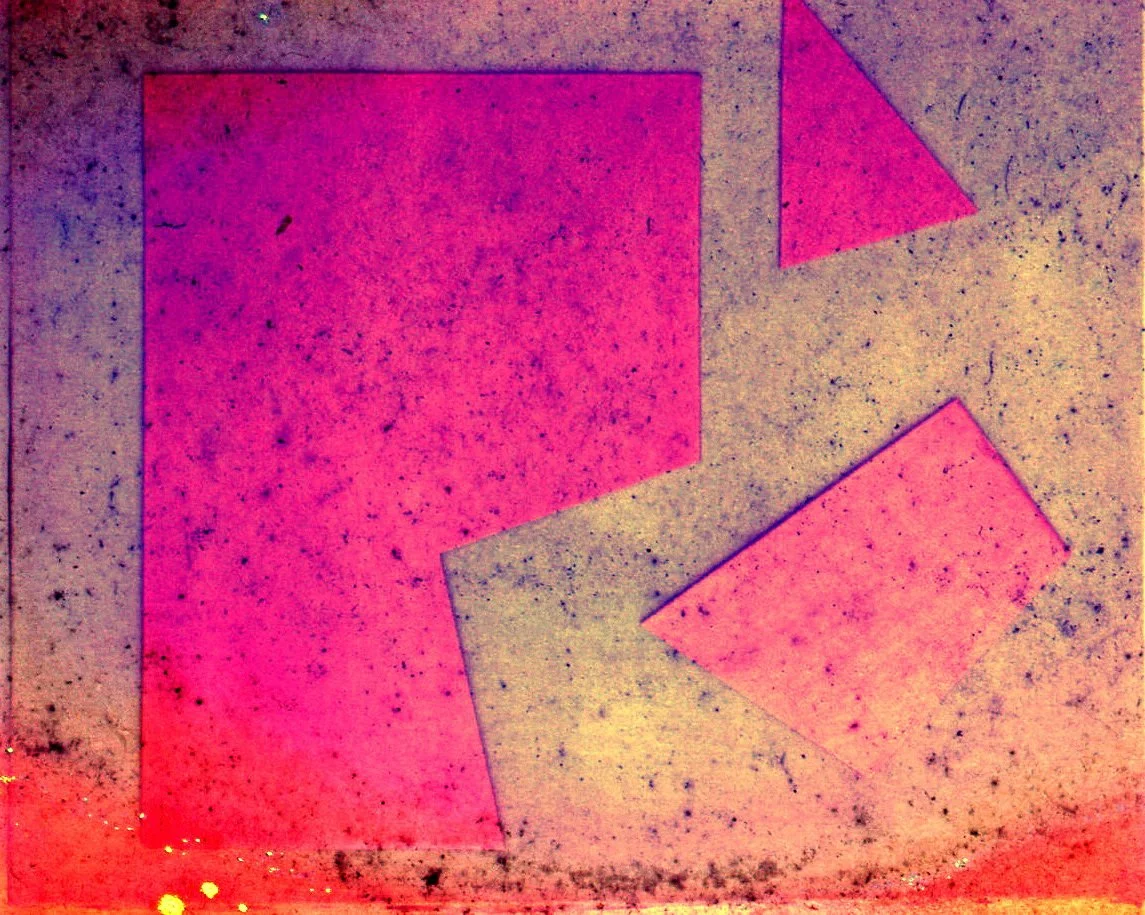
焦跃明 Jiao Yaoming 1983
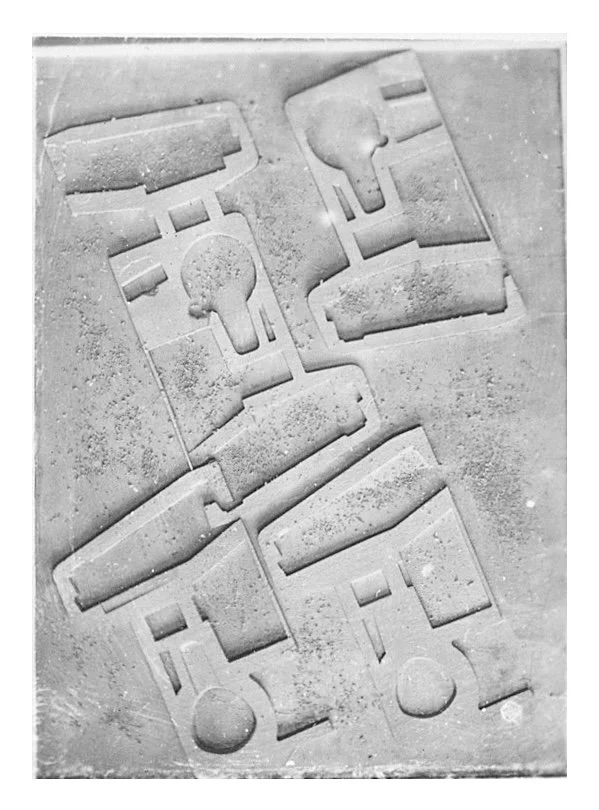
黃永砯 Huang Yong ping 油画 - 綜合材料 780 x 1080 mix material and oil on canvas (色彩 colour) 1983 廈門 Xiamen
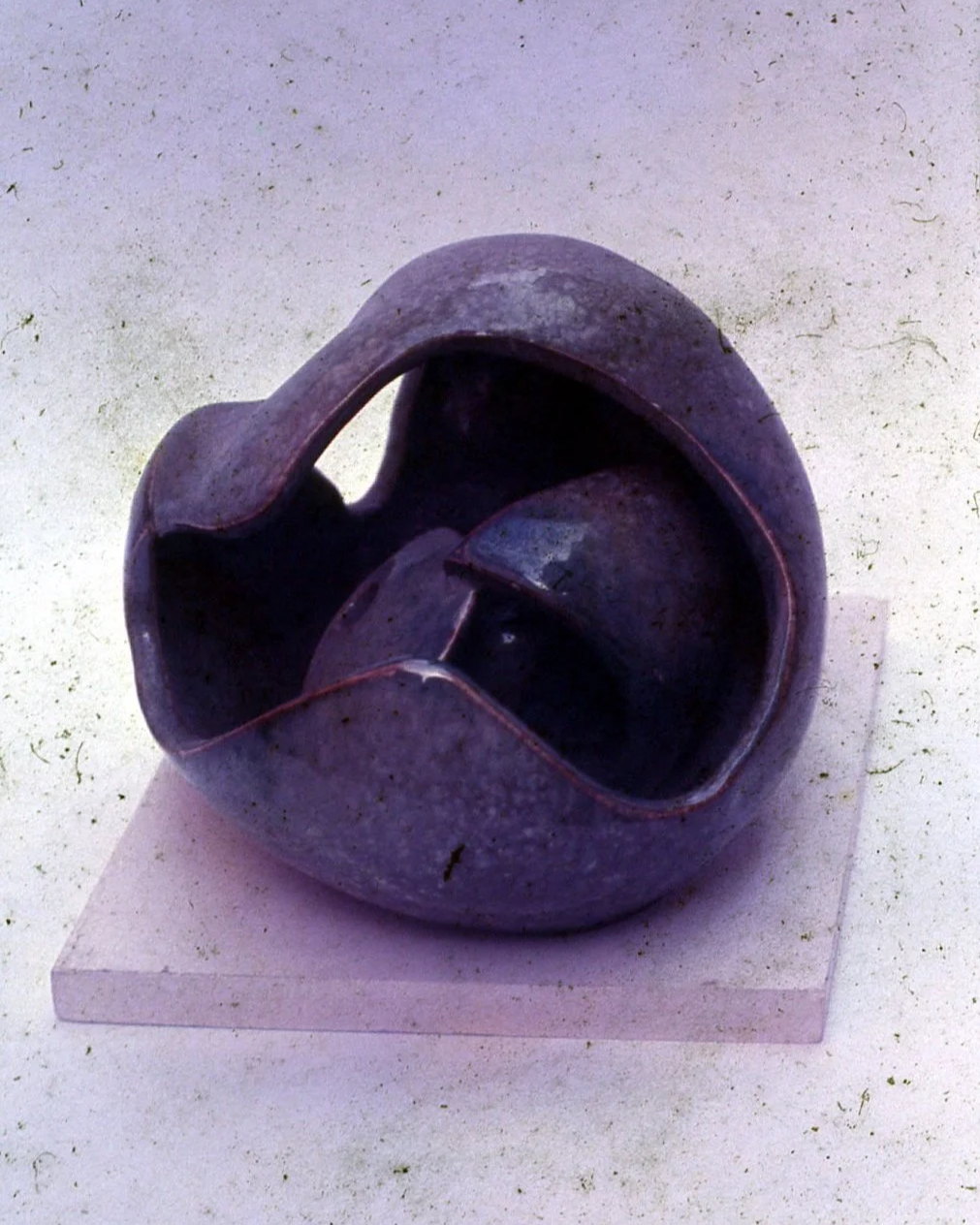
焦跃明 Jiao Yaoming 陶瓷 ceramics Xiamen 1983
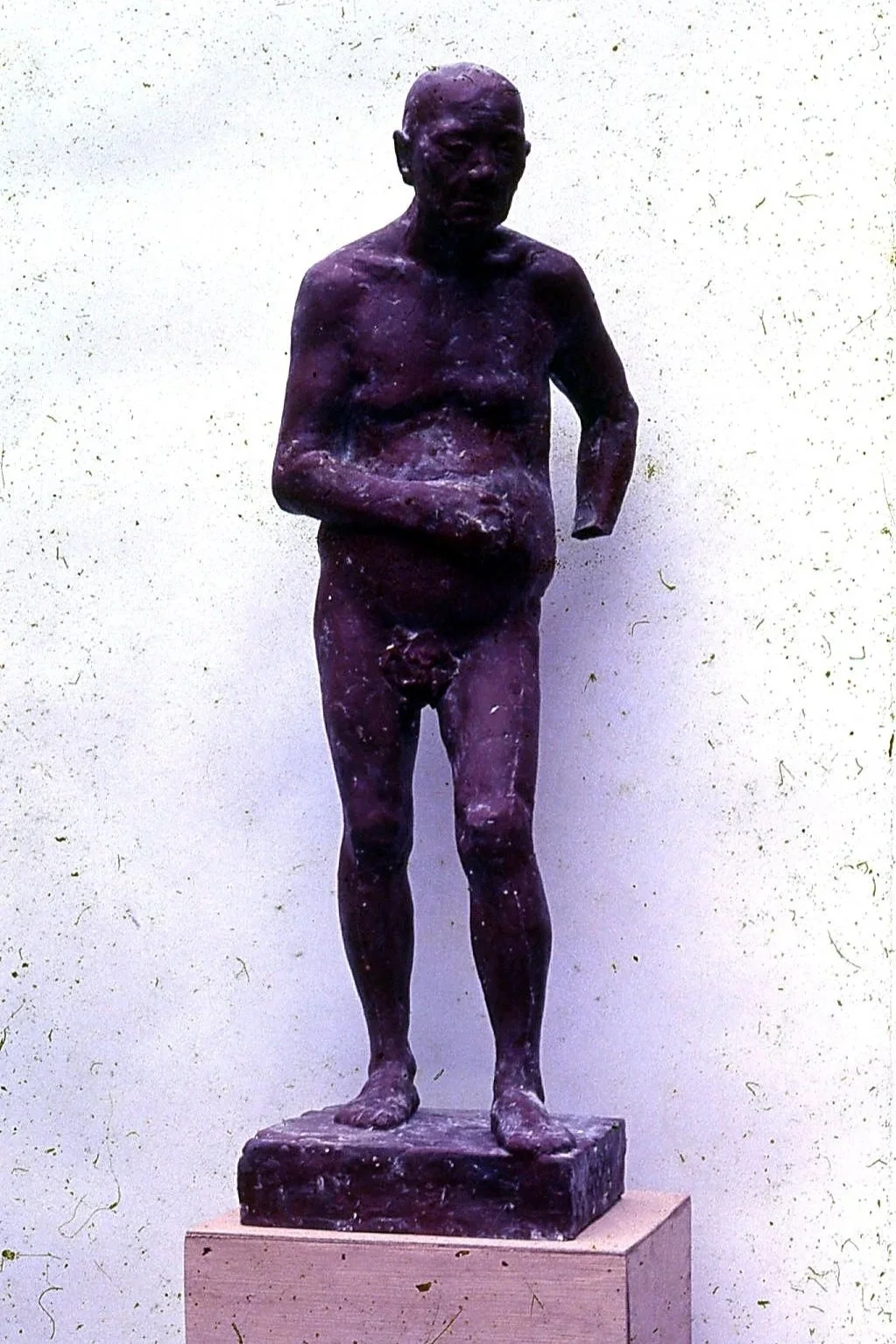
焦跃明 Jiao Yaoming Xiamen 1983
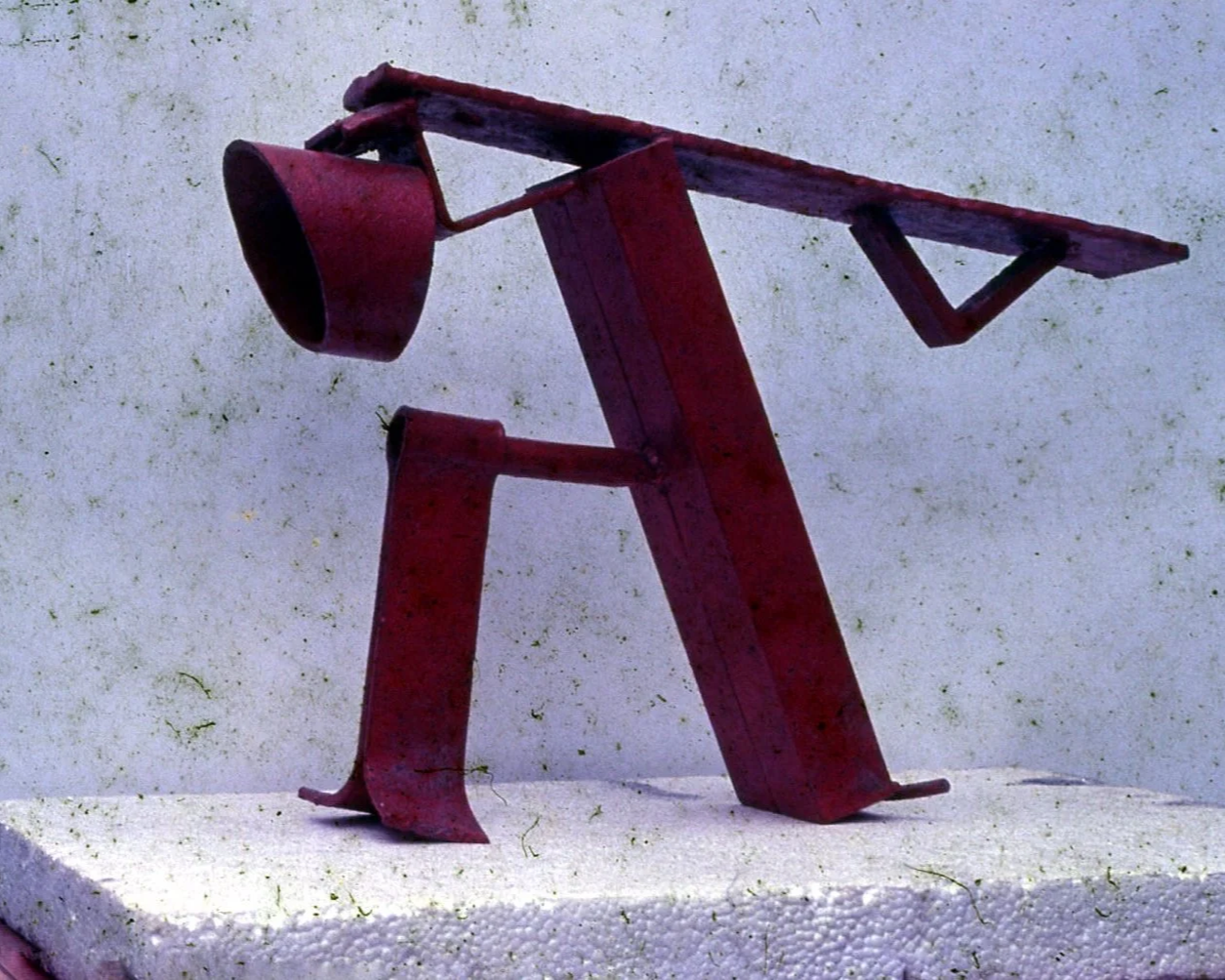
焦跃明 Jiao Yaoming 金属焊接 Metal welding 400 H Xiamen 1983
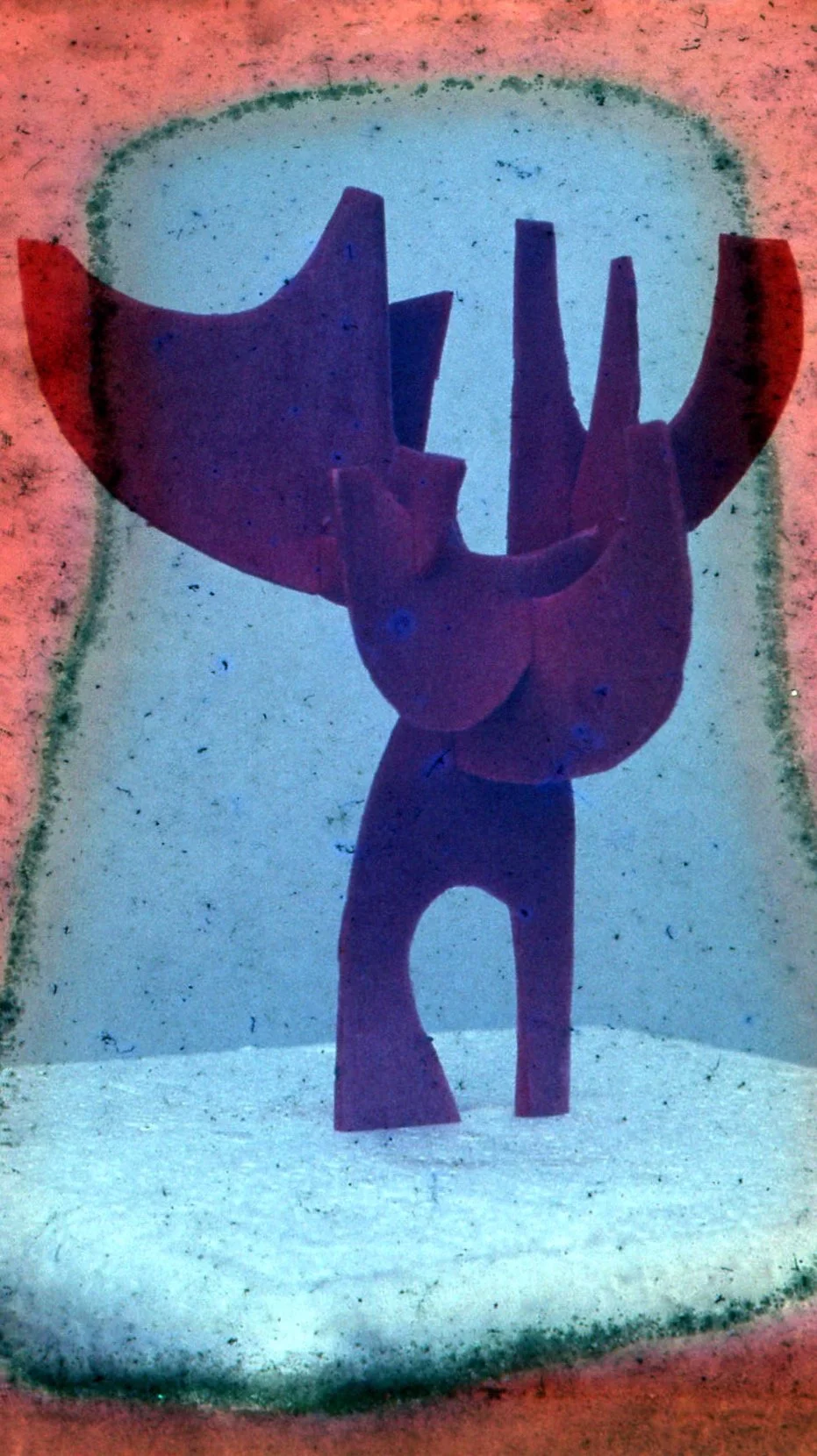
焦跃明 Jiao Yaoming 金属焊接 Metal welding Xiamen 1983
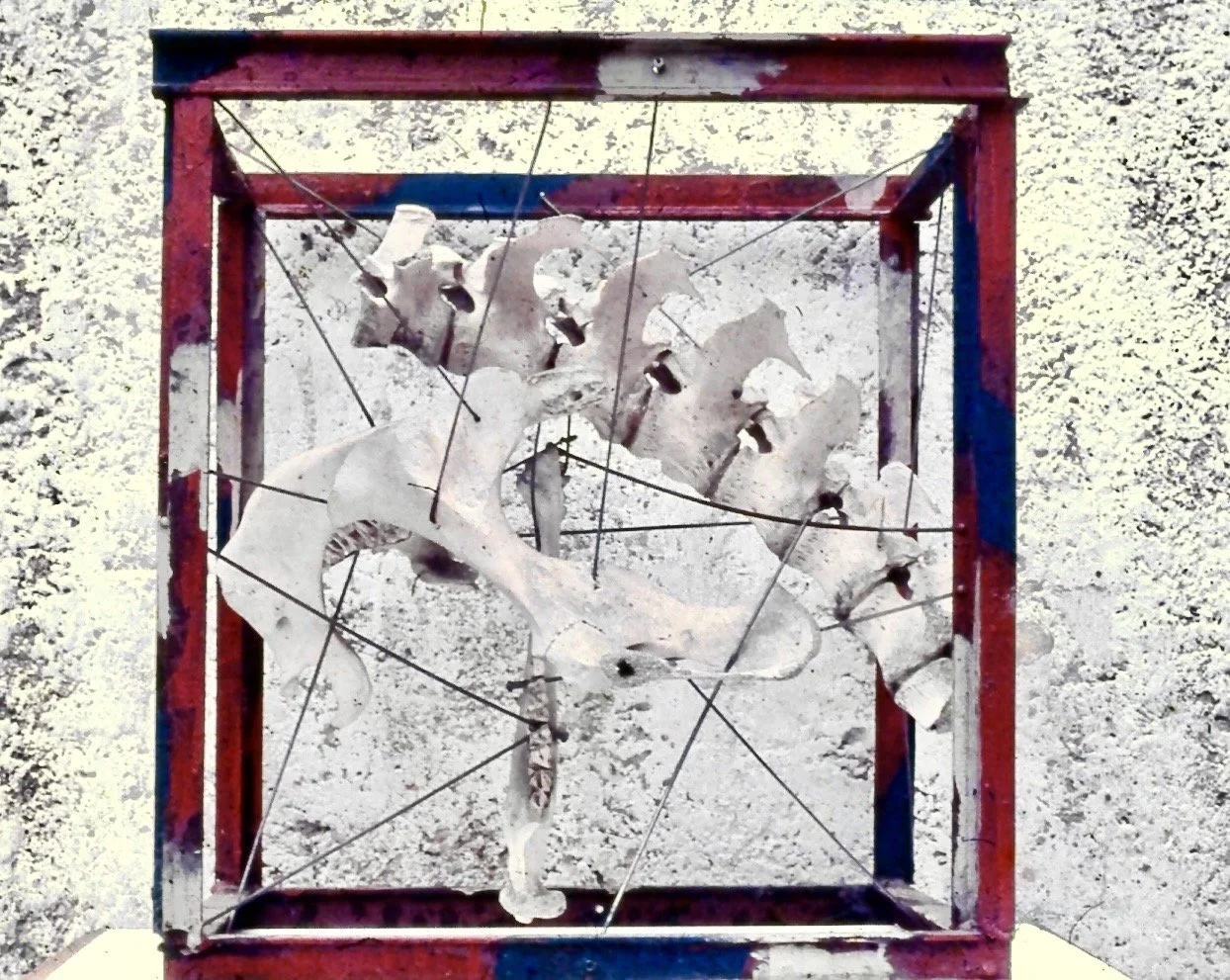
焦跃明 Jiao Yaoming 生态平衡 1# Ecological balance 1983 金属焊接 Metal welding
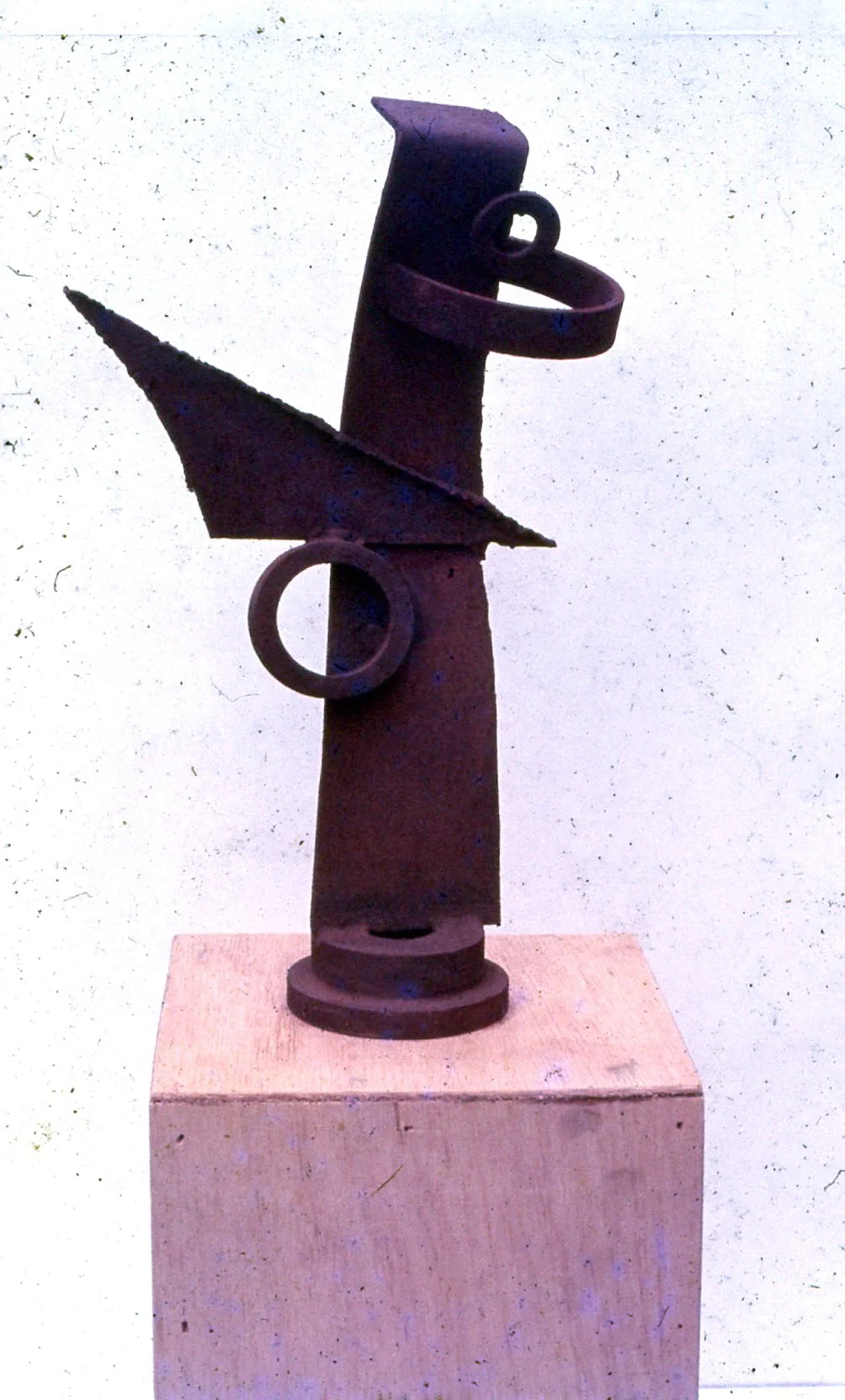
焦跃明 Jiao Yaoming 具有动感的装饰结构 Dynamic decorative structure 金属焊接 Metal welding 350 H Xiamen 1983
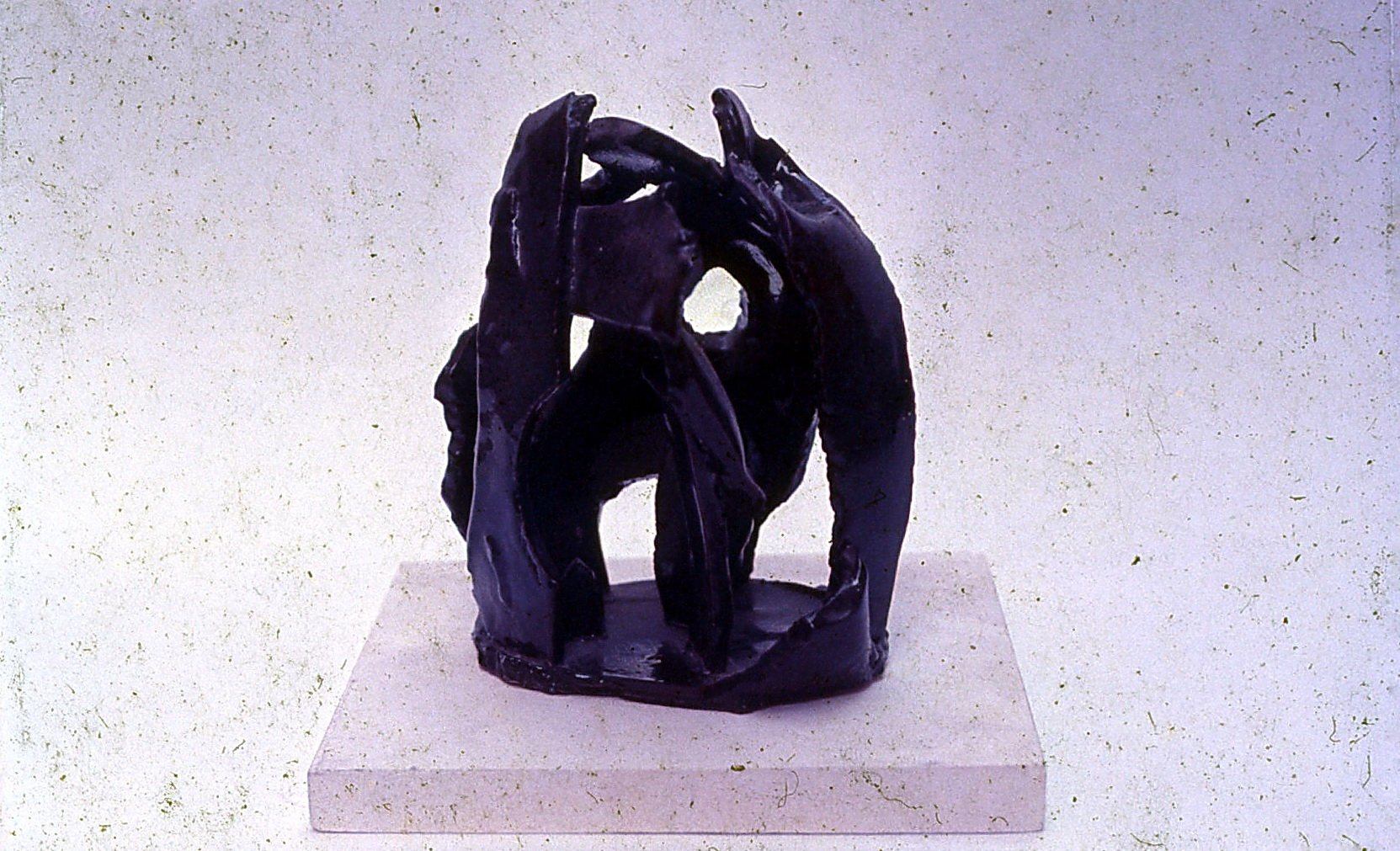
焦跃明 Jiao Yaoming 似乎是爱 It seems to be love 陶瓷 ceramics Xiamen 1983
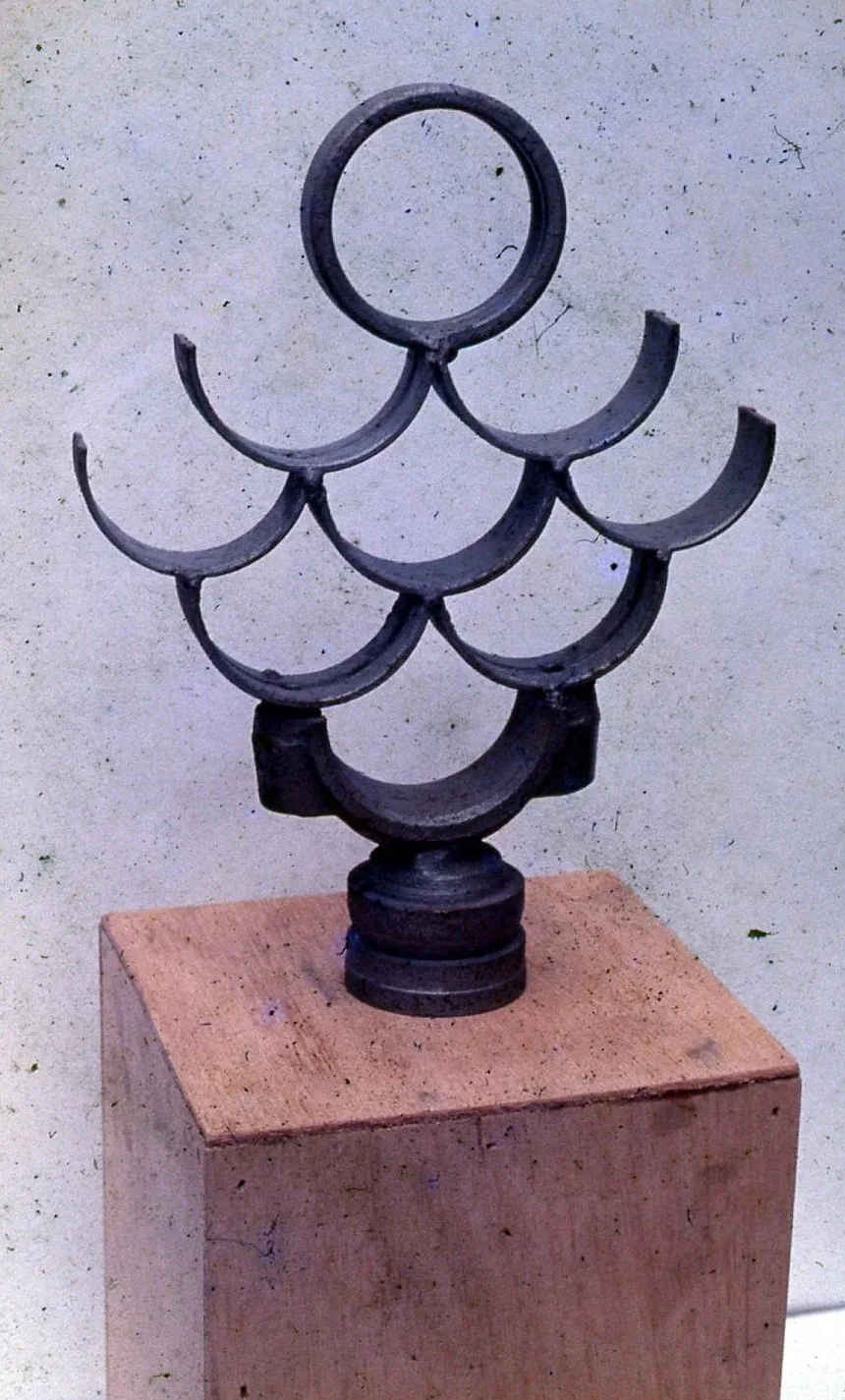
焦跃明 Jiao Yaoming 模拟圣诞树 Simulated Christmas Tree 1983 金属焊接 Metal welding Xiamen
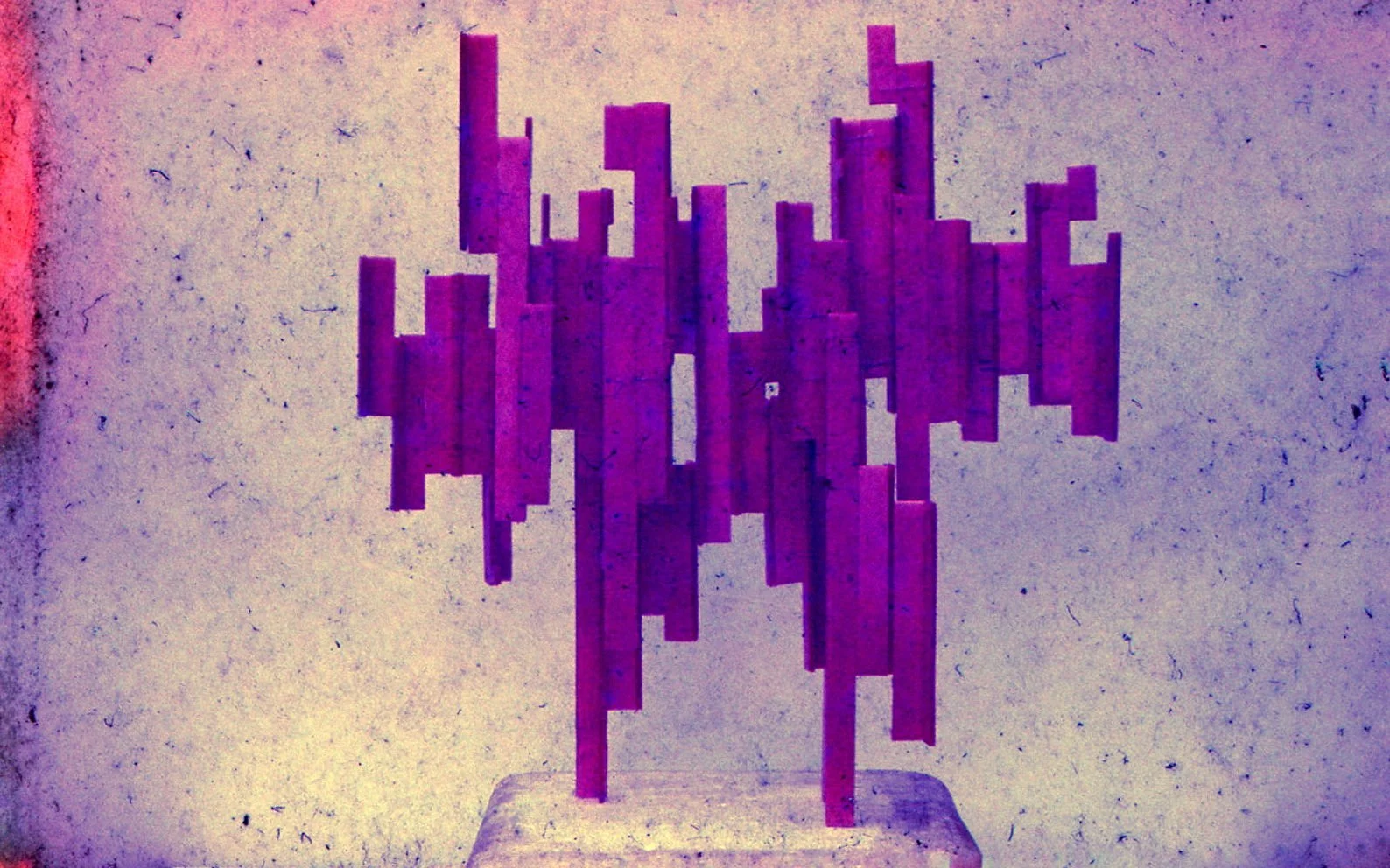
焦跃明 Jiao Yaoming 金属焊接 Metal welding Xiamen 1983
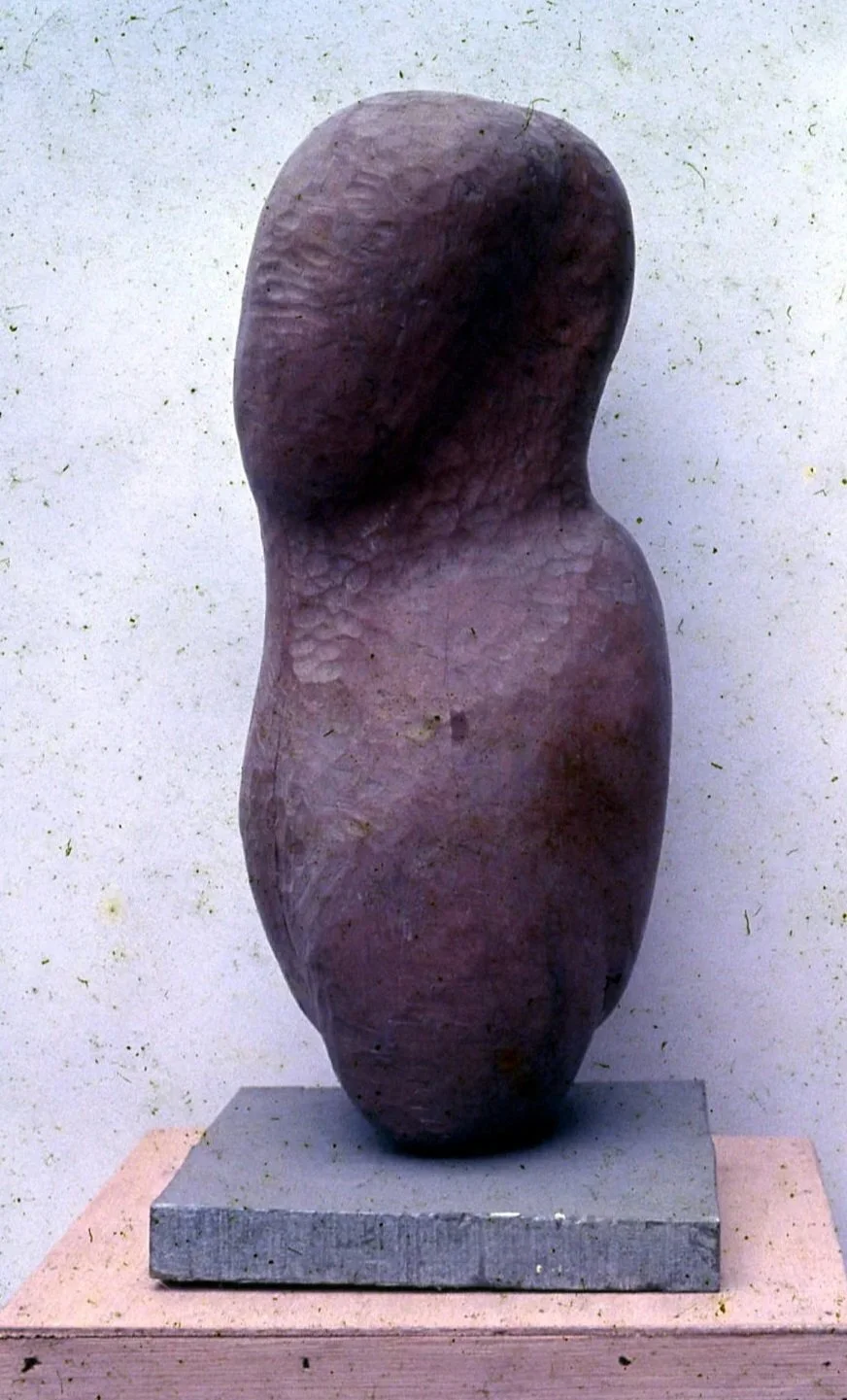
焦跃明 Jiao Yaoming 一种有机体形态 (龙眼木雕) An organic form (longan wood carving) Xiamen 1983
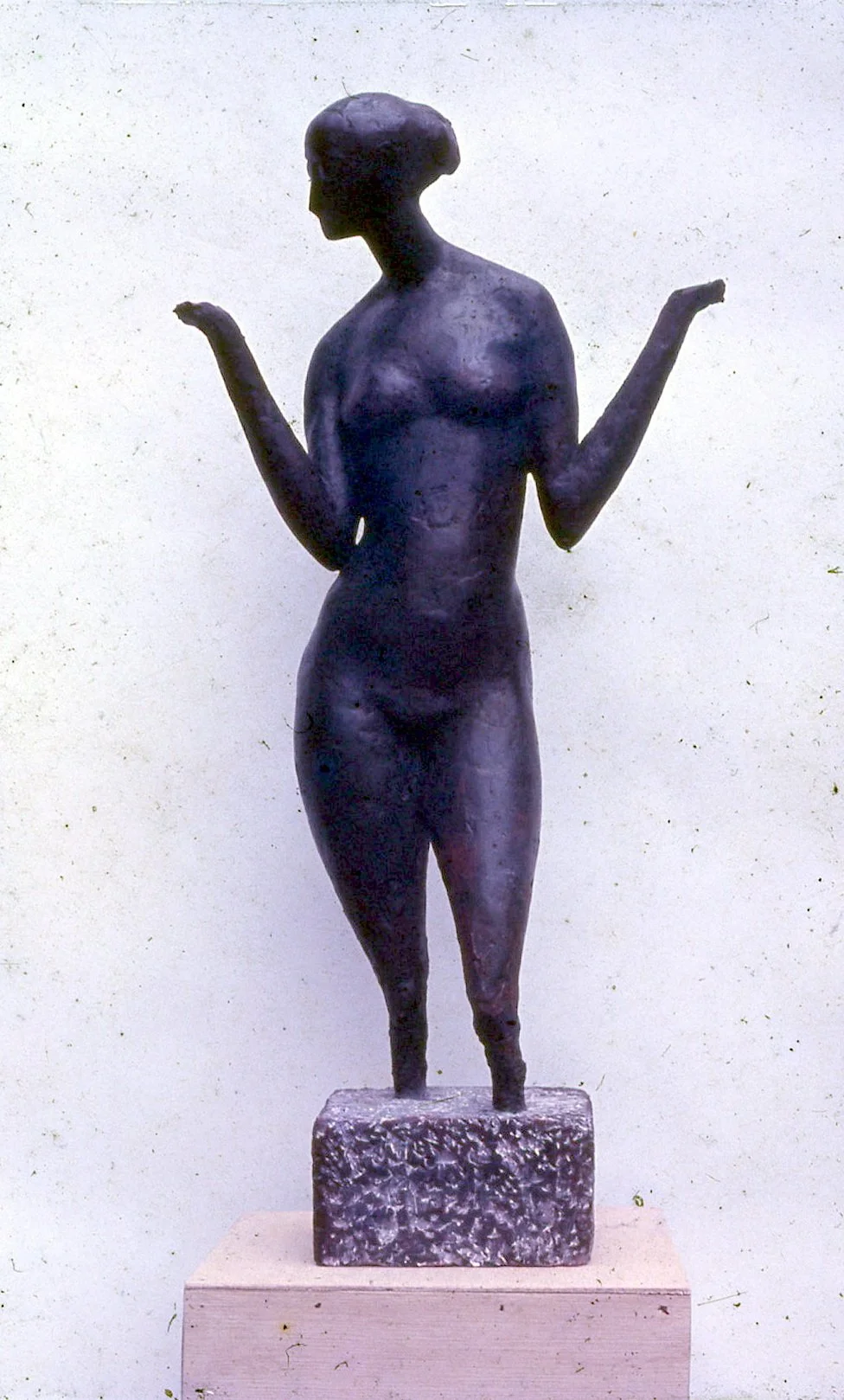
焦跃明 Jiao Yaoming 海边 seaside Xiamen 1983
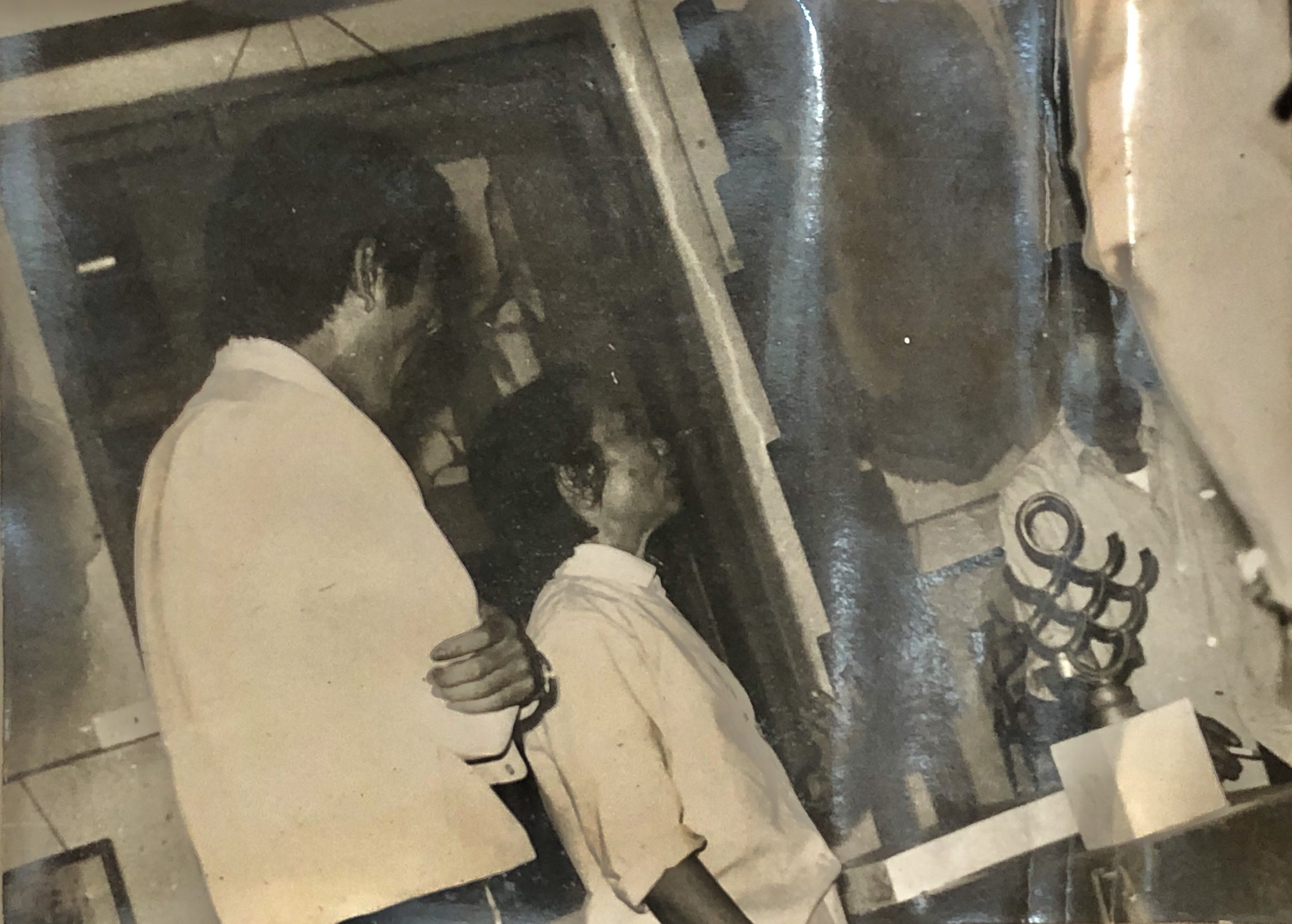
焦跃明 Jiao Yaoming 1983
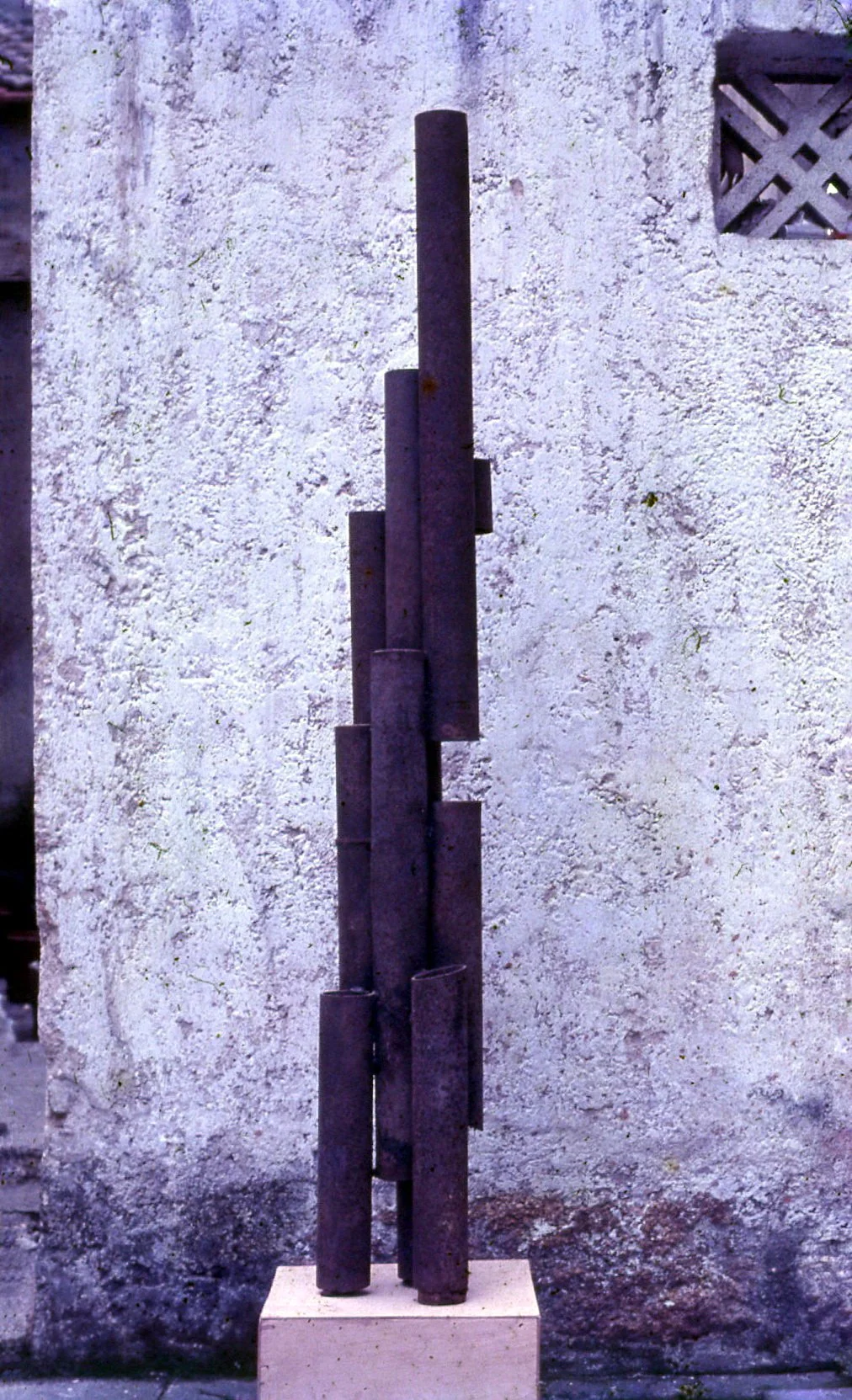
焦跃明 Jiao Yaoming 向上发展的圆柱体 Cylinder that grows upward 金属焊接 Metal welding Xiamen 1983
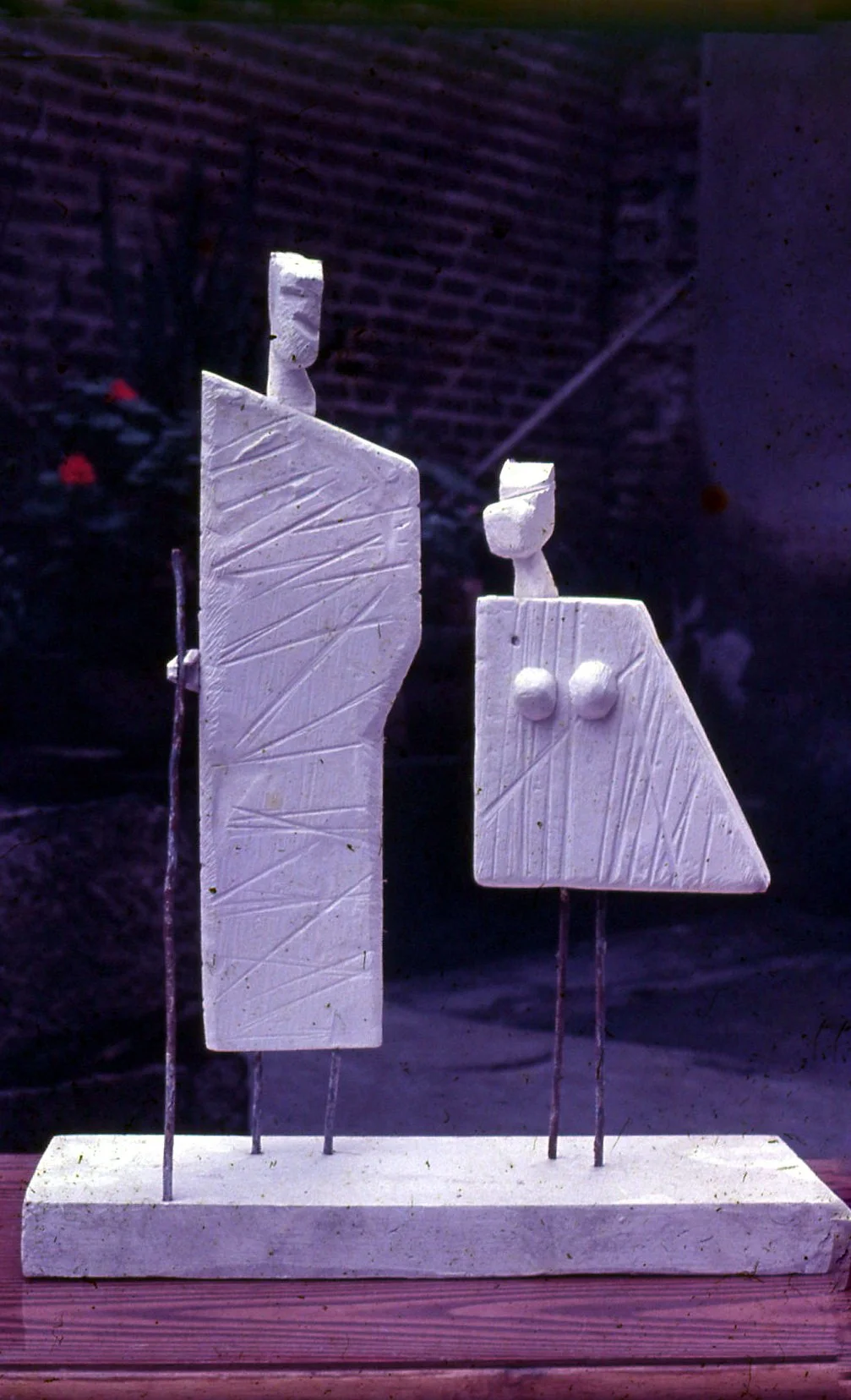
焦跃明 Jiao Yaoming Xiamen 1983
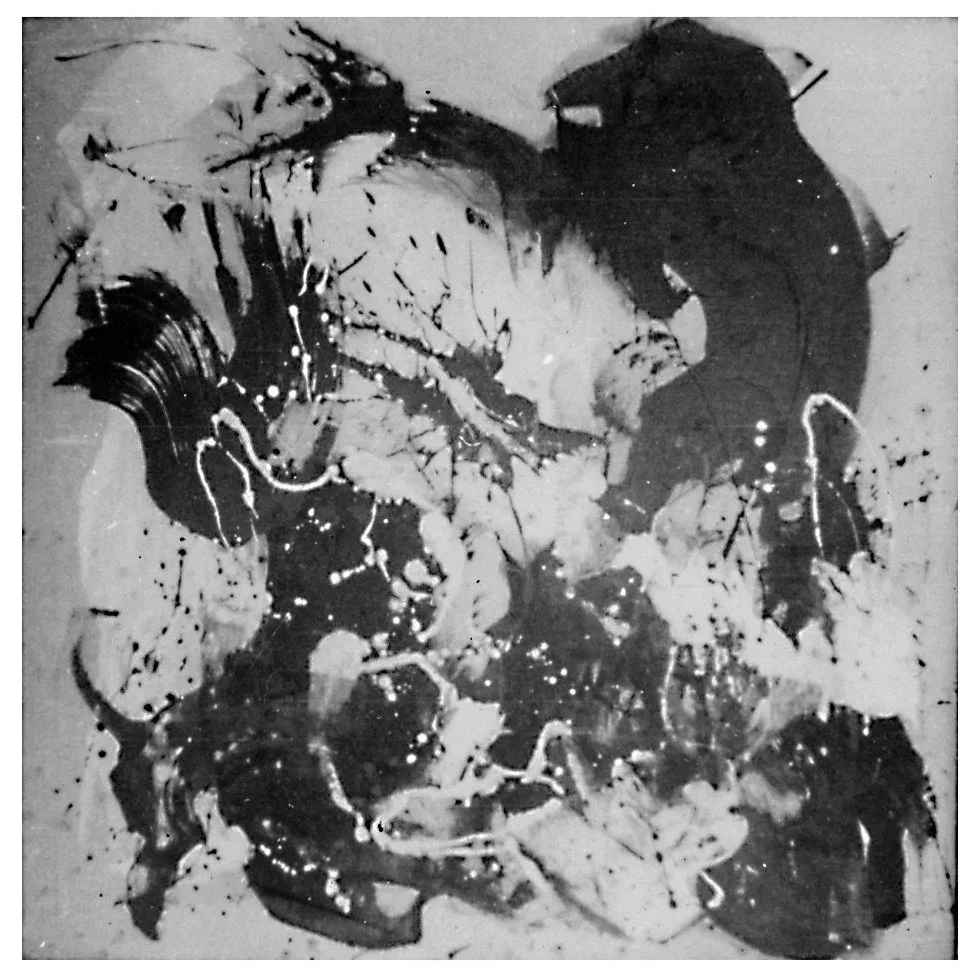
黃永砯 Huang Yong ping 油画 Oil on canvas (色彩 was colour) 1270 x 1270
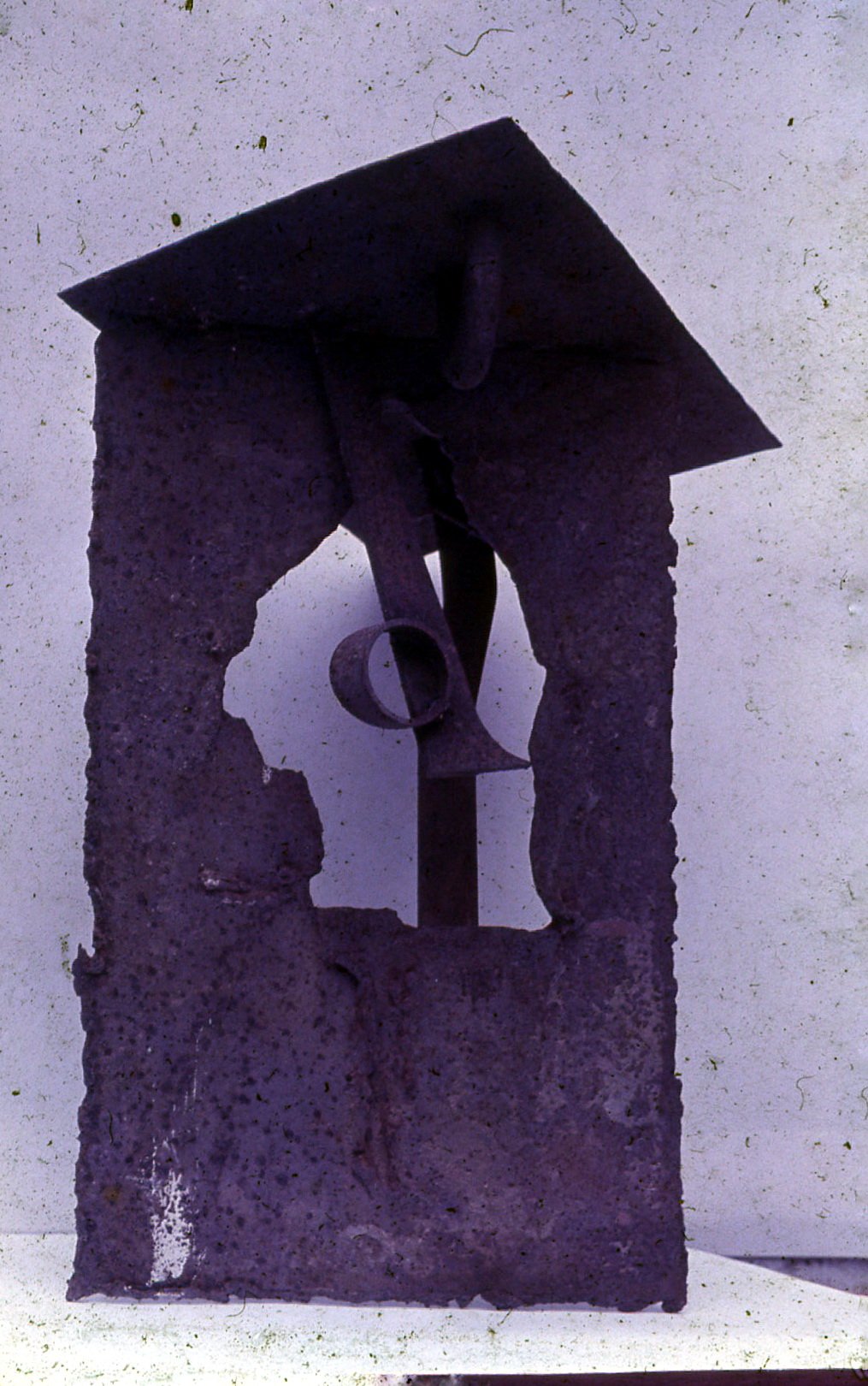
焦跃明 Jiao Yaoming 博士像 Doctor statue 金属焊接 Metal welding 500 H Xiamen 1983
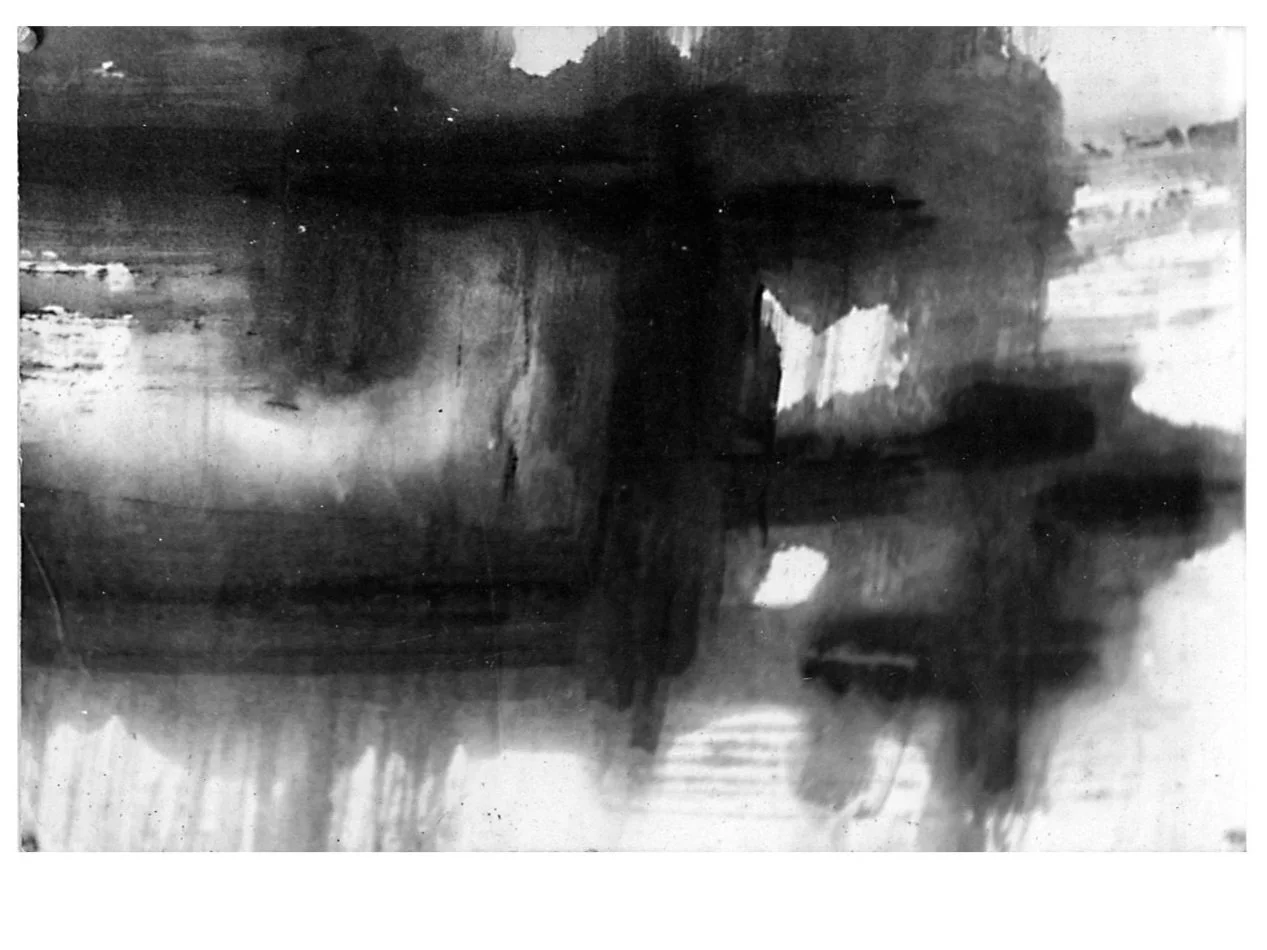
俞晓刚 Yu Xiaogang 水墨 宣紙 Ink and wash on rice paper 1983
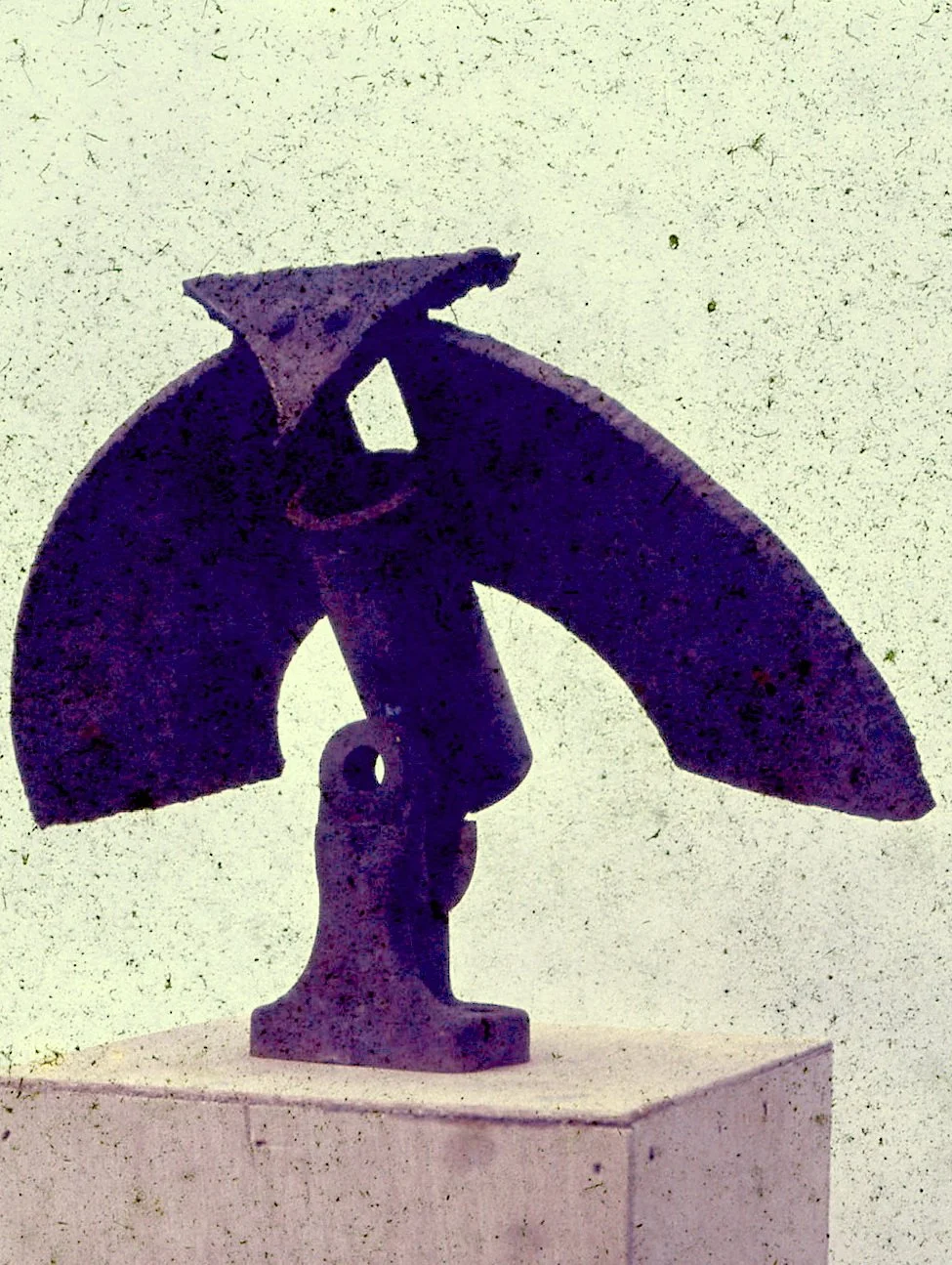
焦跃明 Jiao Yaoming 猫头鹰 Owl 金属焊接 Metal welding Xiamen 1983
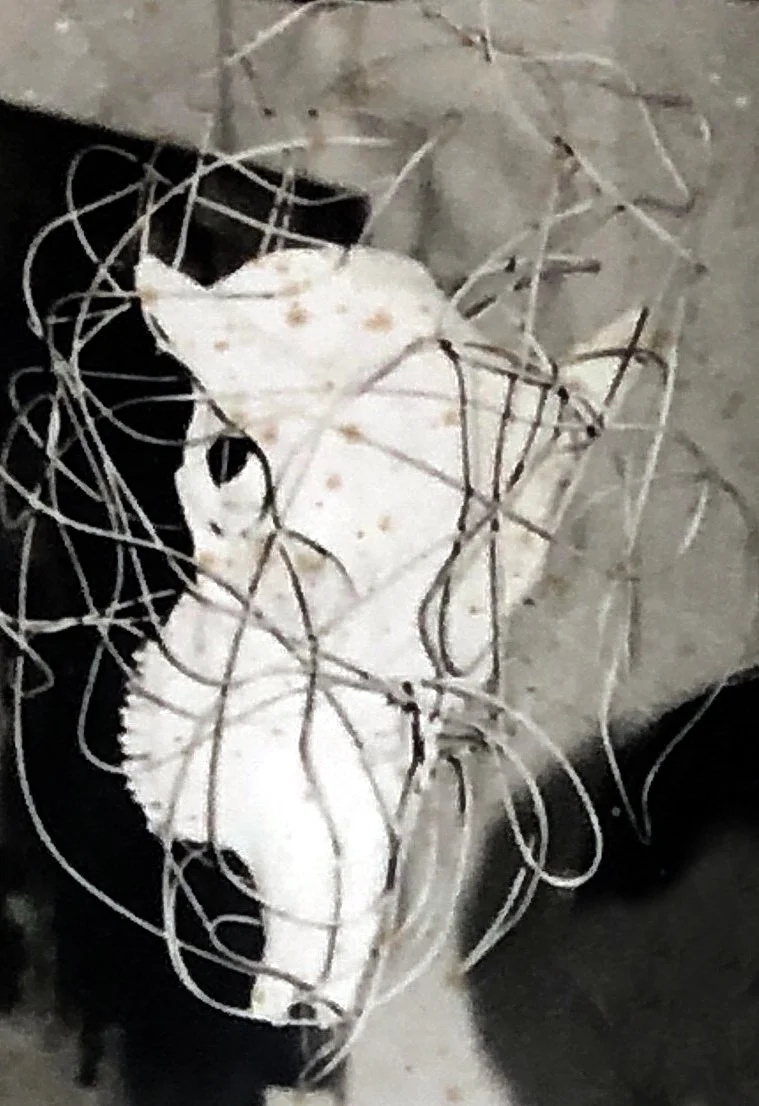
焦跃明 作品 Jiao Yaoming 生态平衡 2# Ecological balance 金属焊接 Metal welding Xiamen 1983
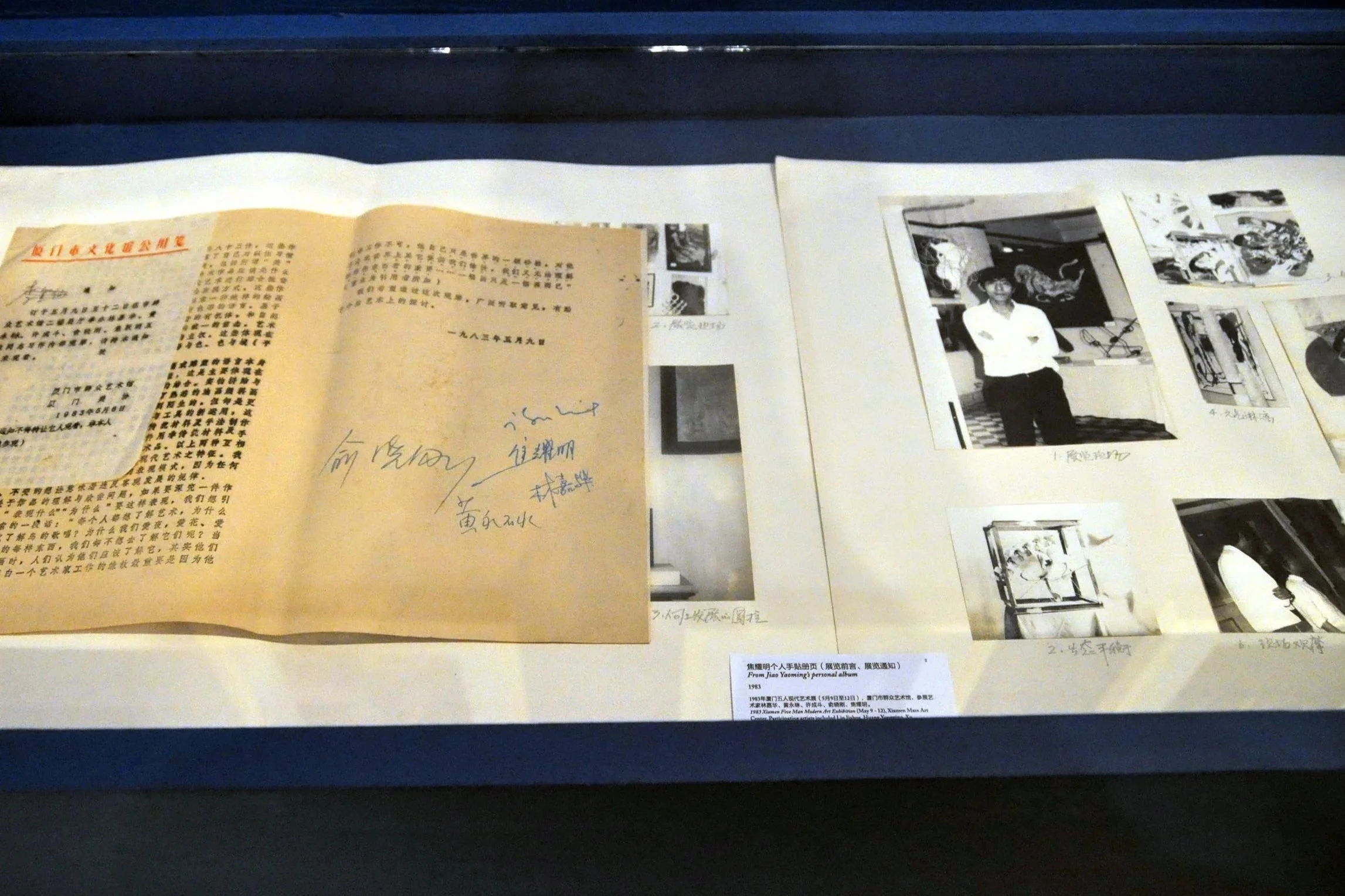
1983
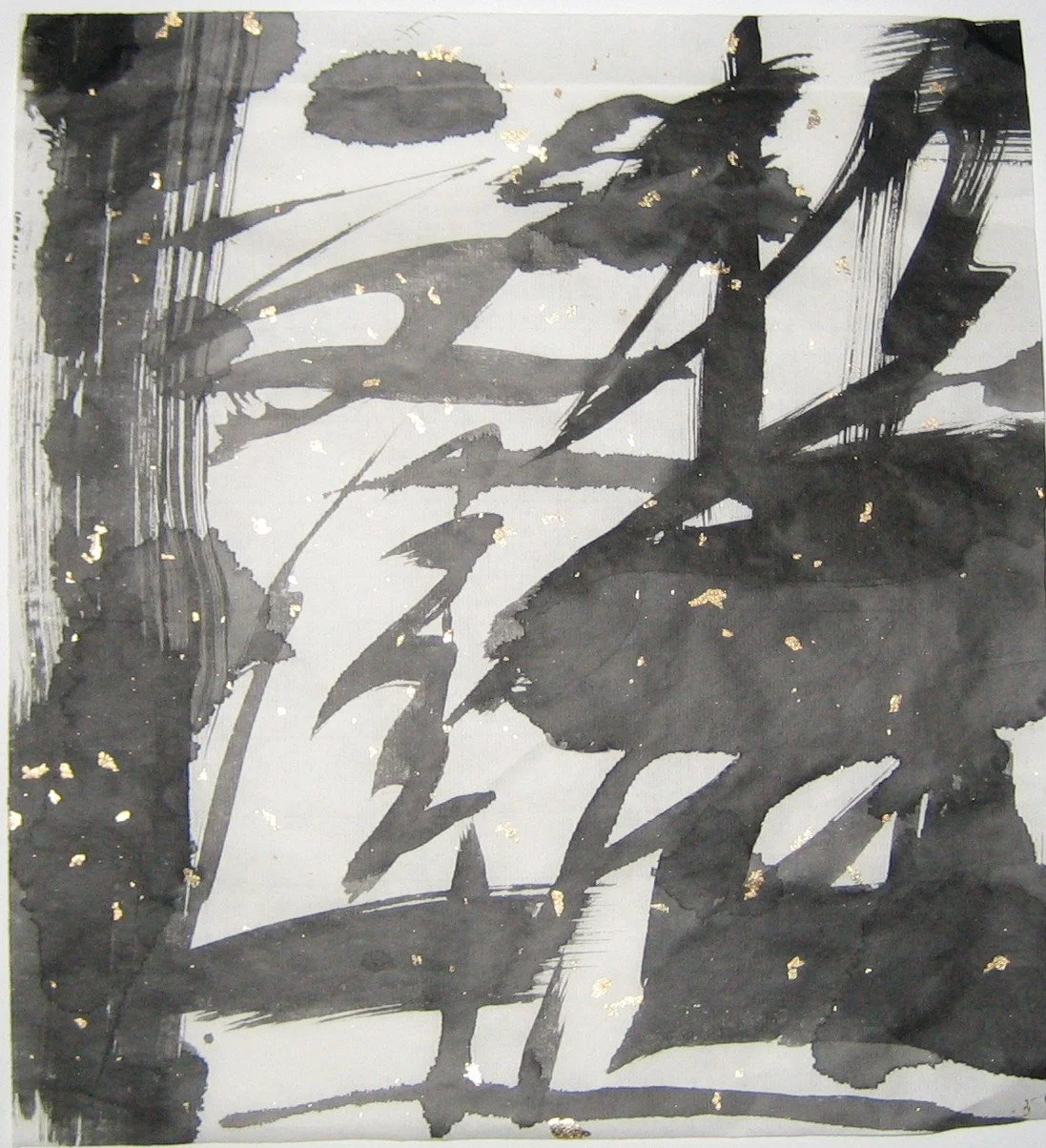
俞晓刚 Yu Xiaogang 水墨 宣紙 Ink and wash on rice paper 1983
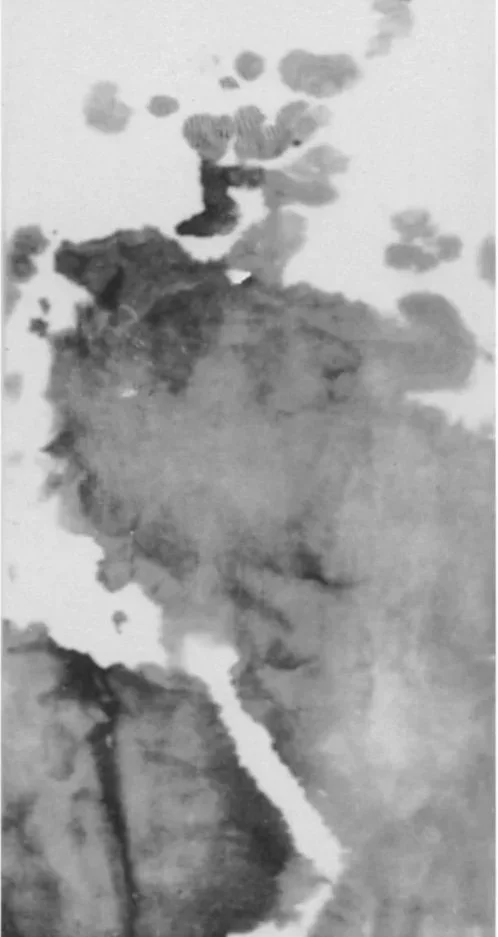
俞晓刚 Yu Xiaogang 水墨 宣紙 Ink and wash on rice paper. 1983
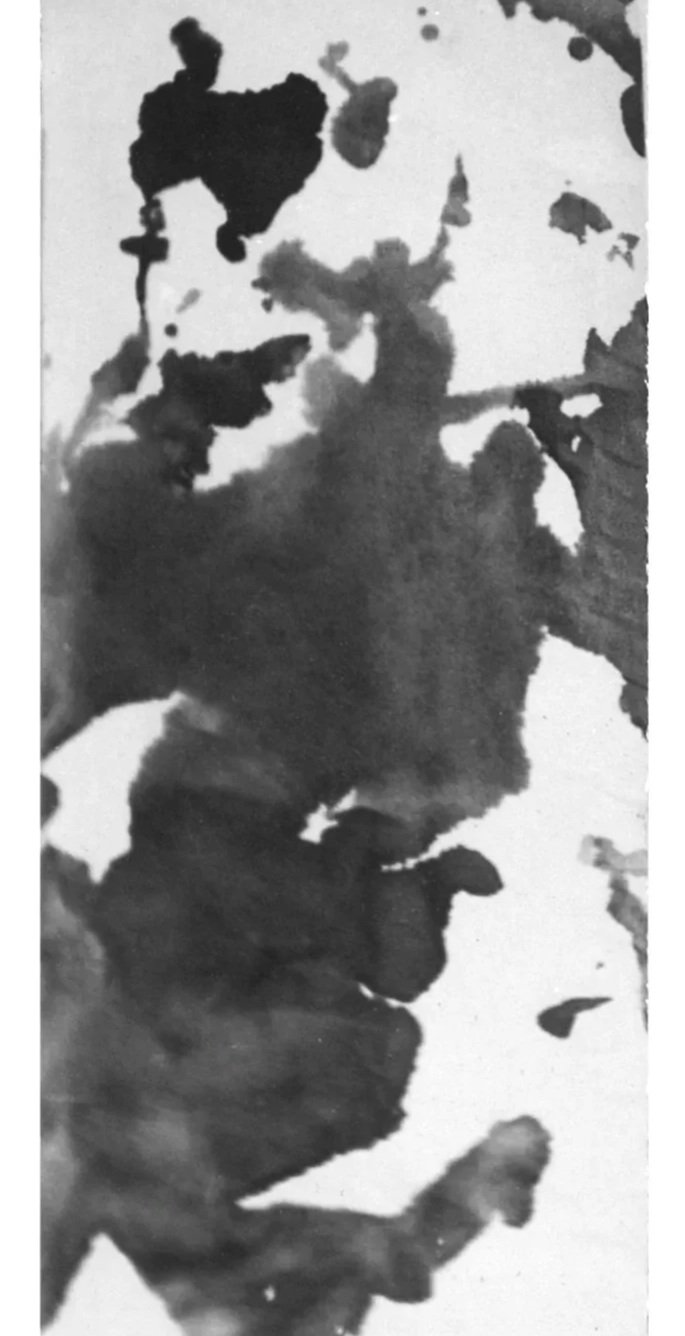
俞晓刚 Yu Xiaogang 水墨 宣紙 Ink and wash on rice paper 1983
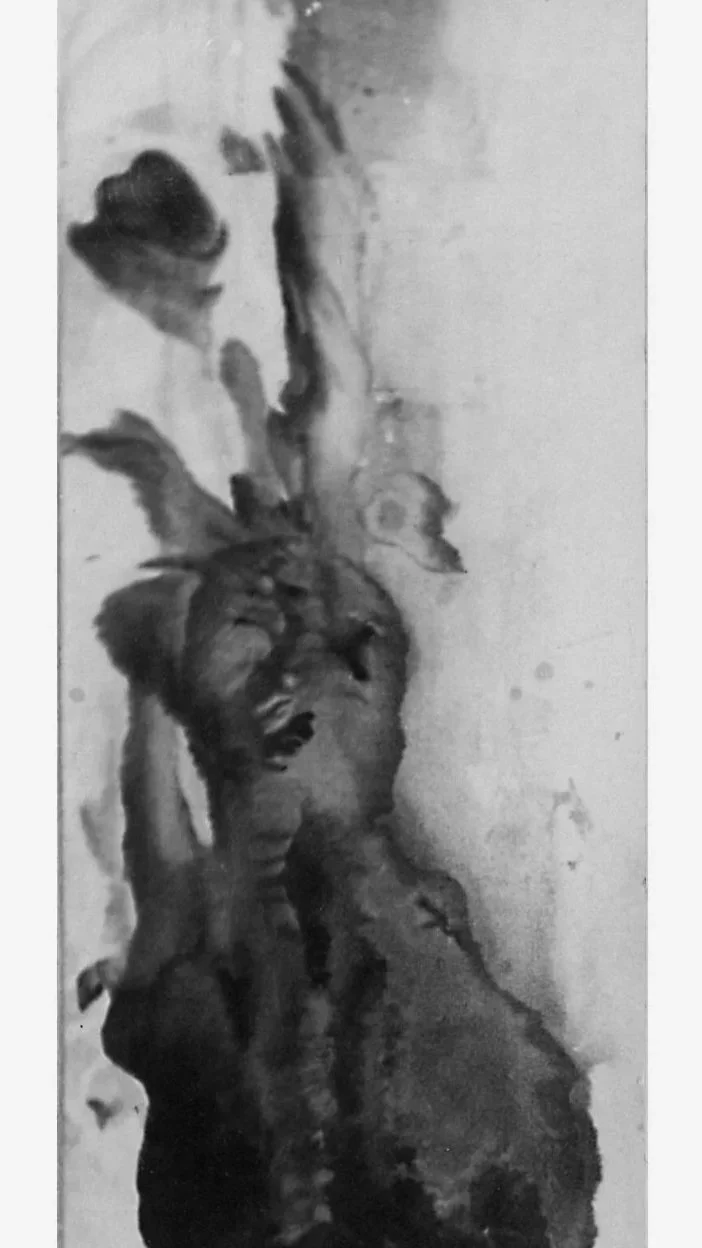
俞晓刚 Yu Xiaogang 水墨 宣紙 Ink and wash on rice paper. 1983
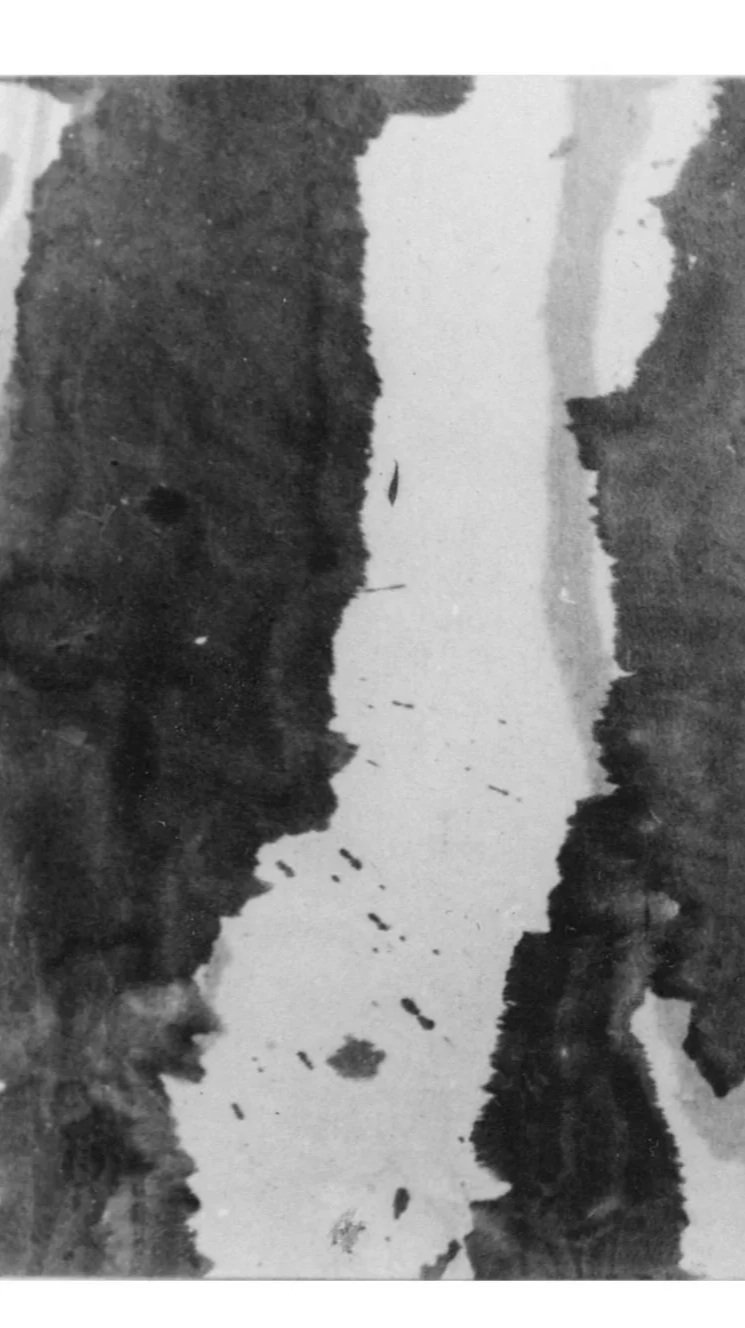
俞晓刚 Yu Xiaogang 水墨 宣紙 Ink and wash on rice paper. 1983
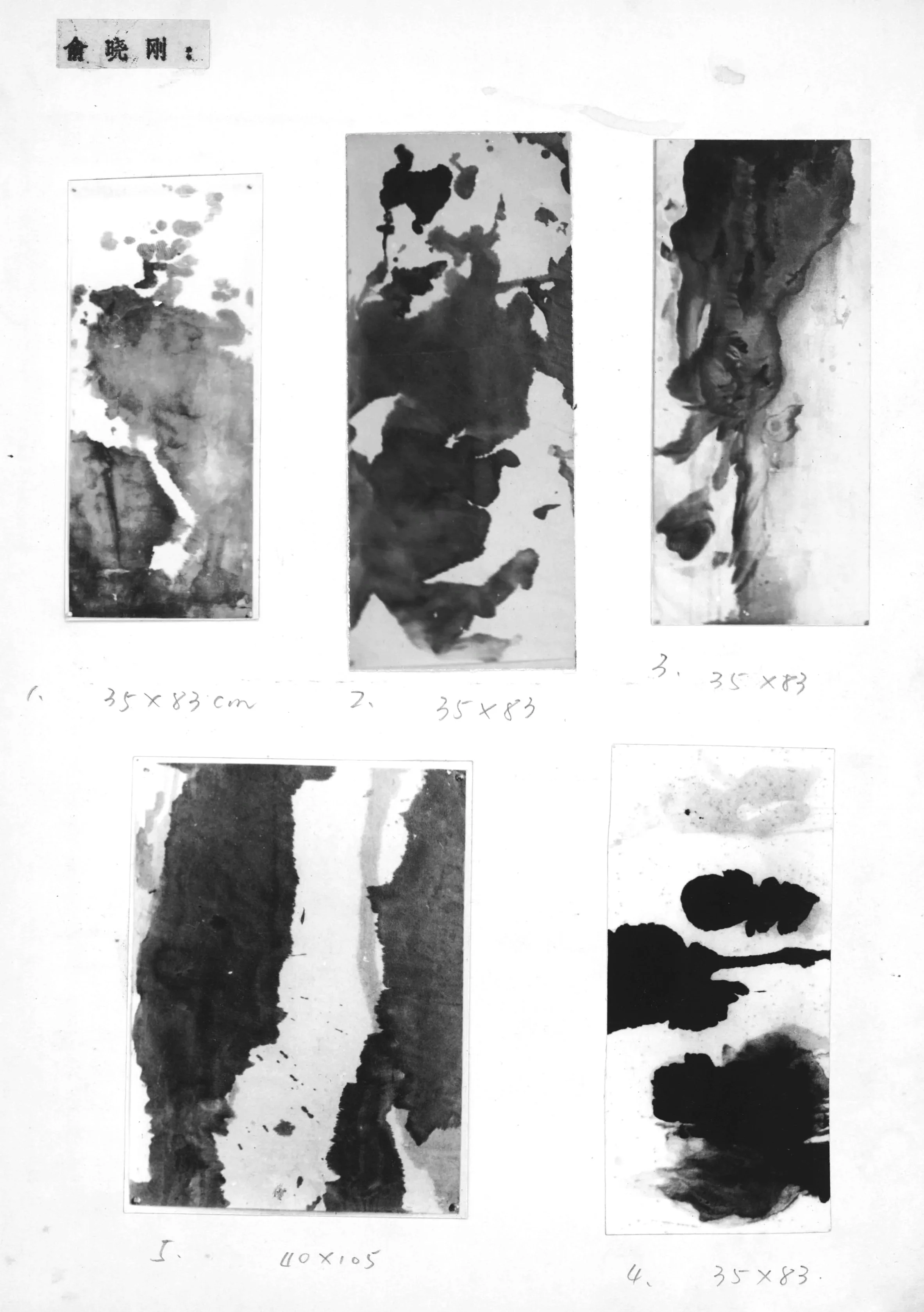
俞晓刚 Yu Xiaogang 水墨 宣紙 Ink and wash on rice paper 1983
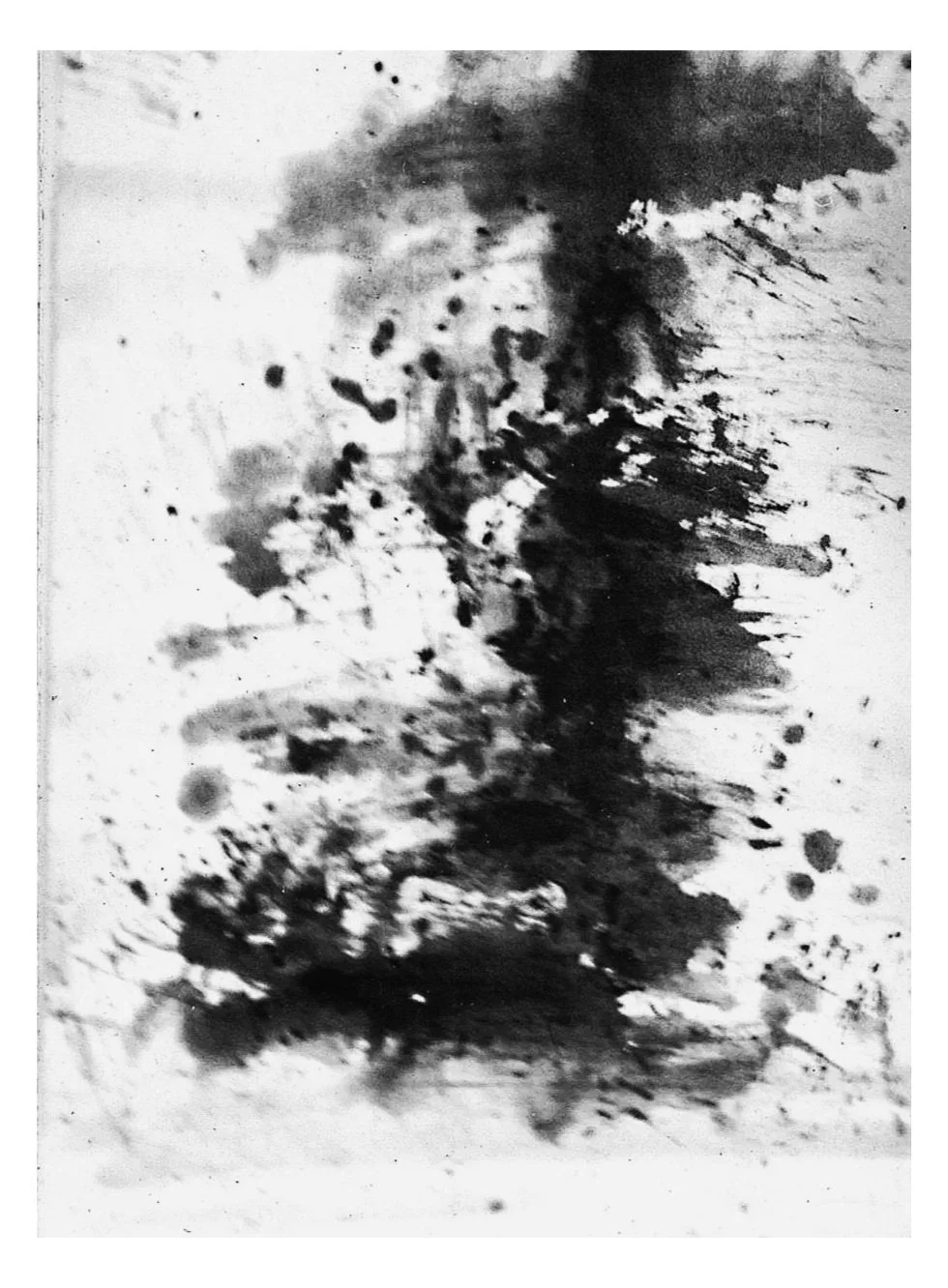
俞晓刚 Yu Xiaogang 水墨 宣紙 Ink and wash on rice paper 1983
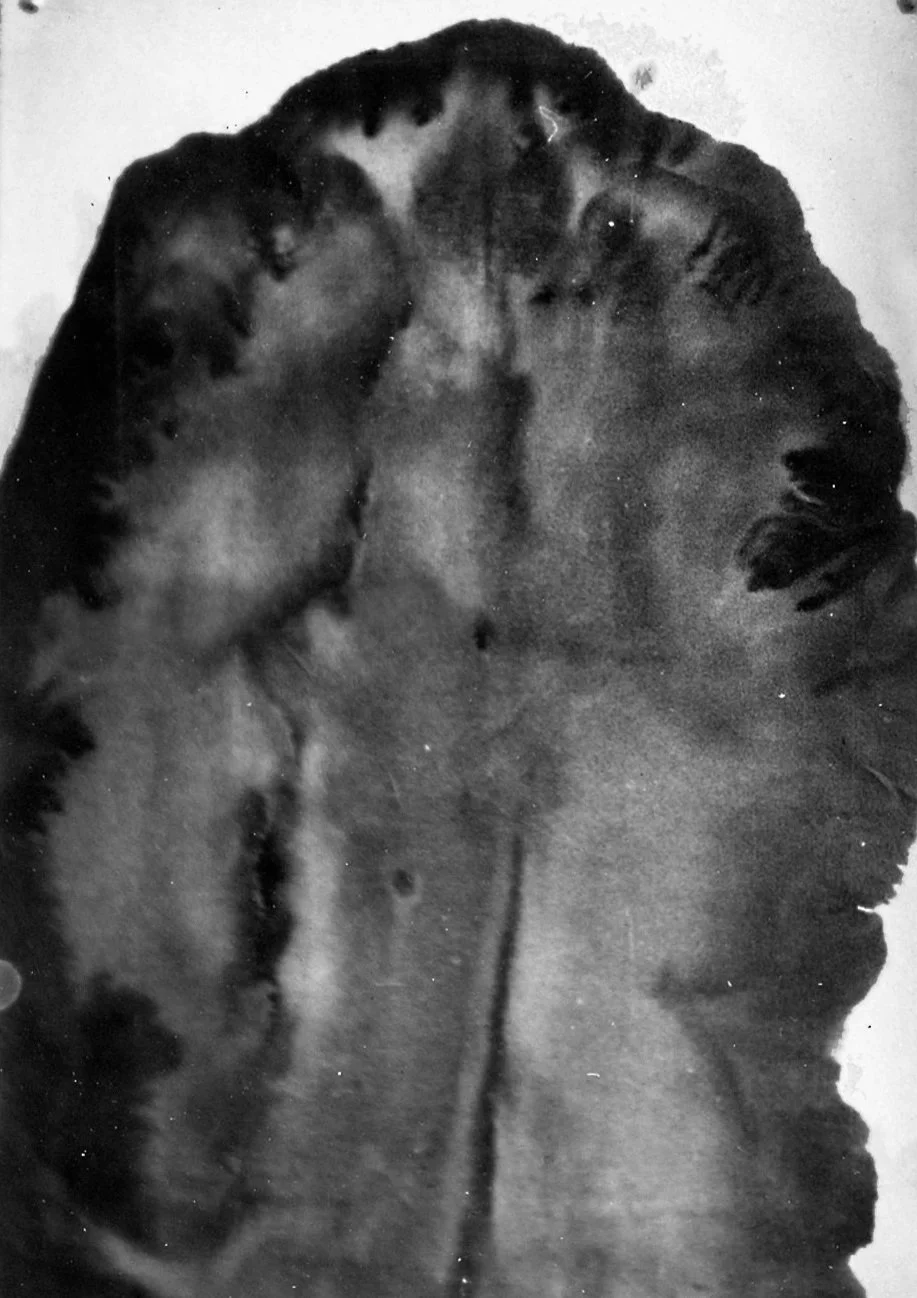
俞晓刚 Yu Xiaogang 水墨 宣紙 Ink and wash on rice paper. 1983
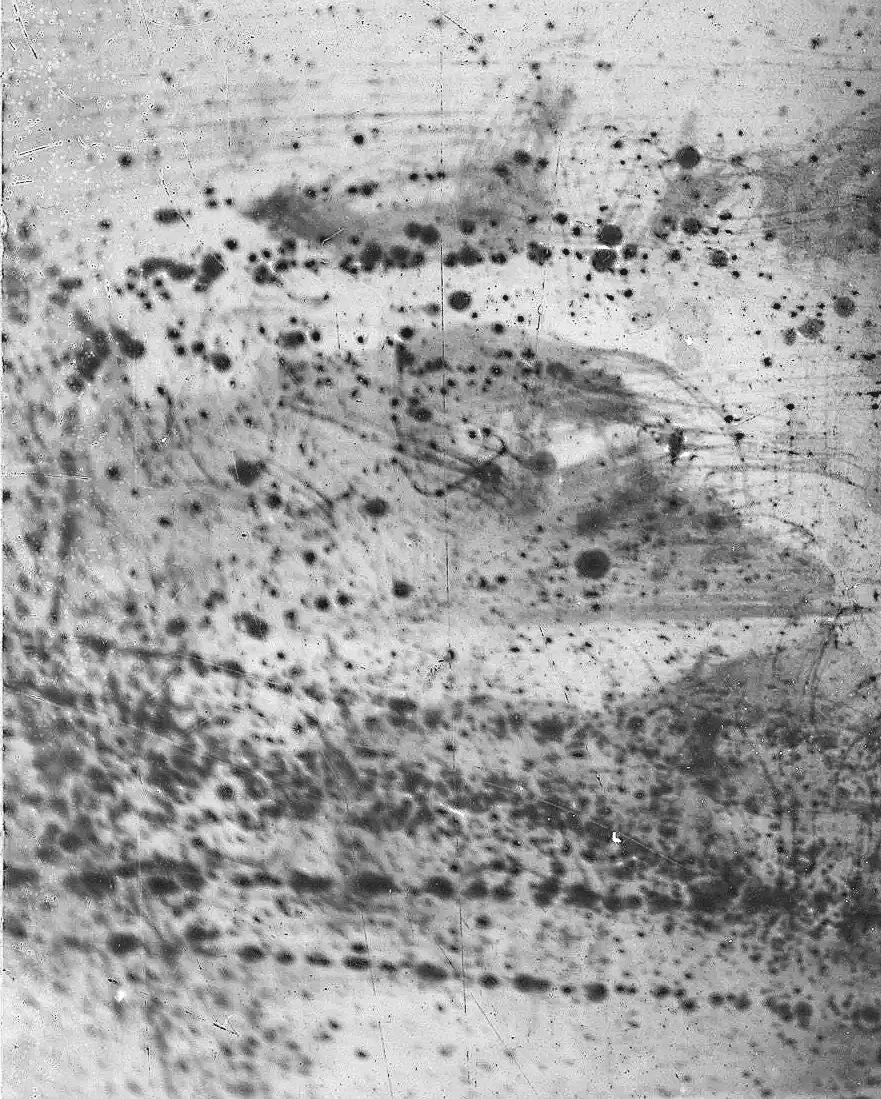
俞晓刚 Yu Xiaogang 水墨 宣紙 Ink and wash on rice paper 1983
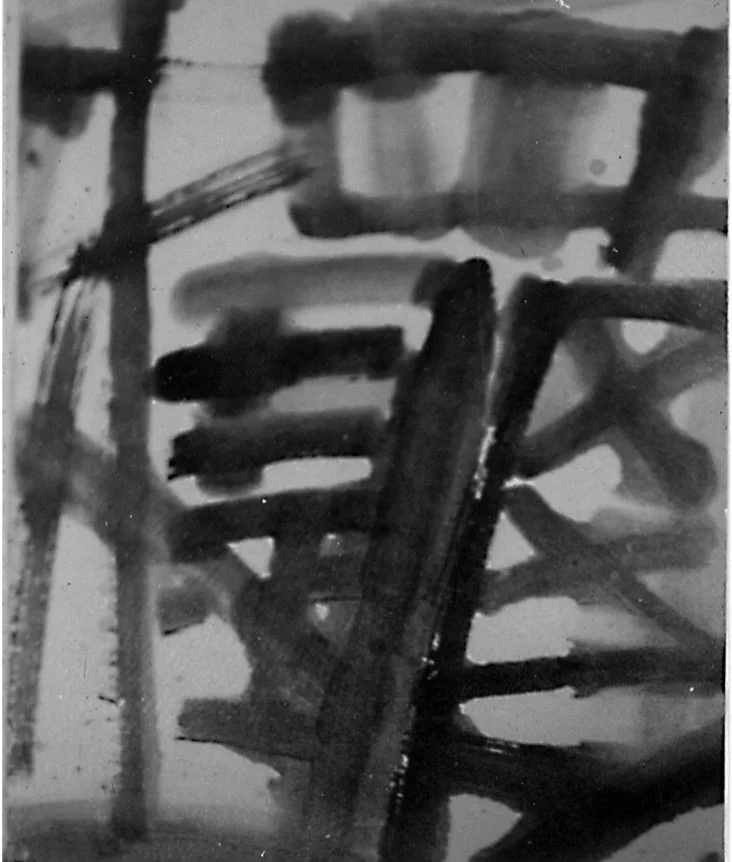
俞晓刚 Yu Xiaogang 水墨 宣紙 Ink and wash on rice paper 1983
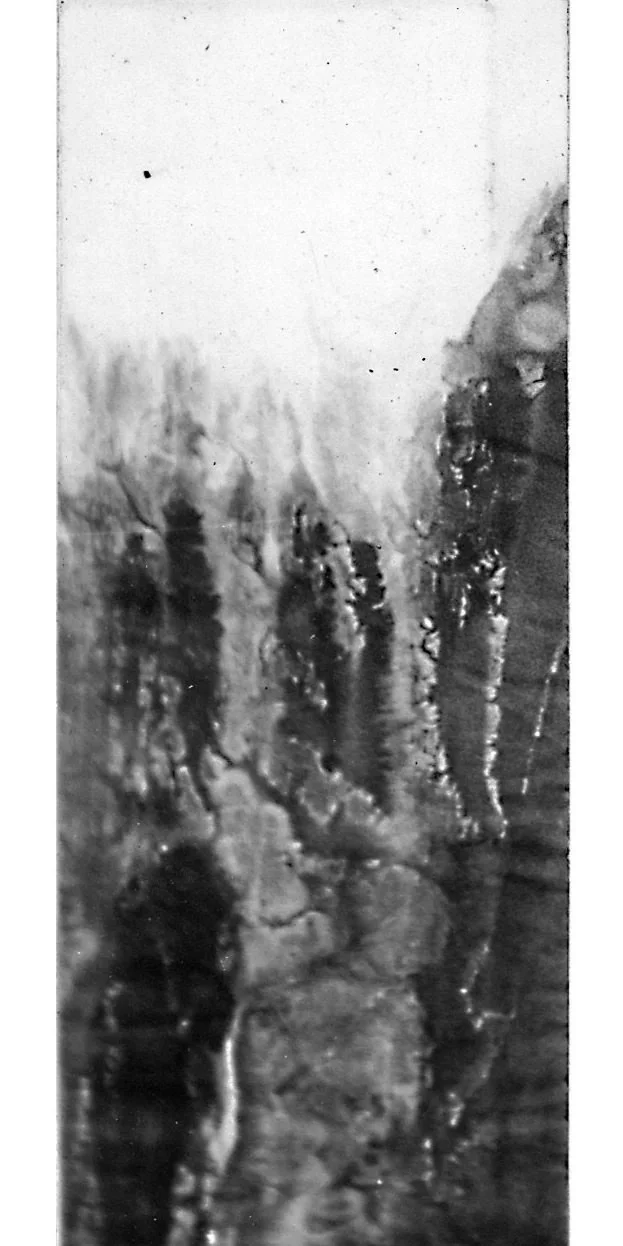
俞晓刚 Yu Xiaogang 水墨 宣紙 Ink and wash on rice paper 1983
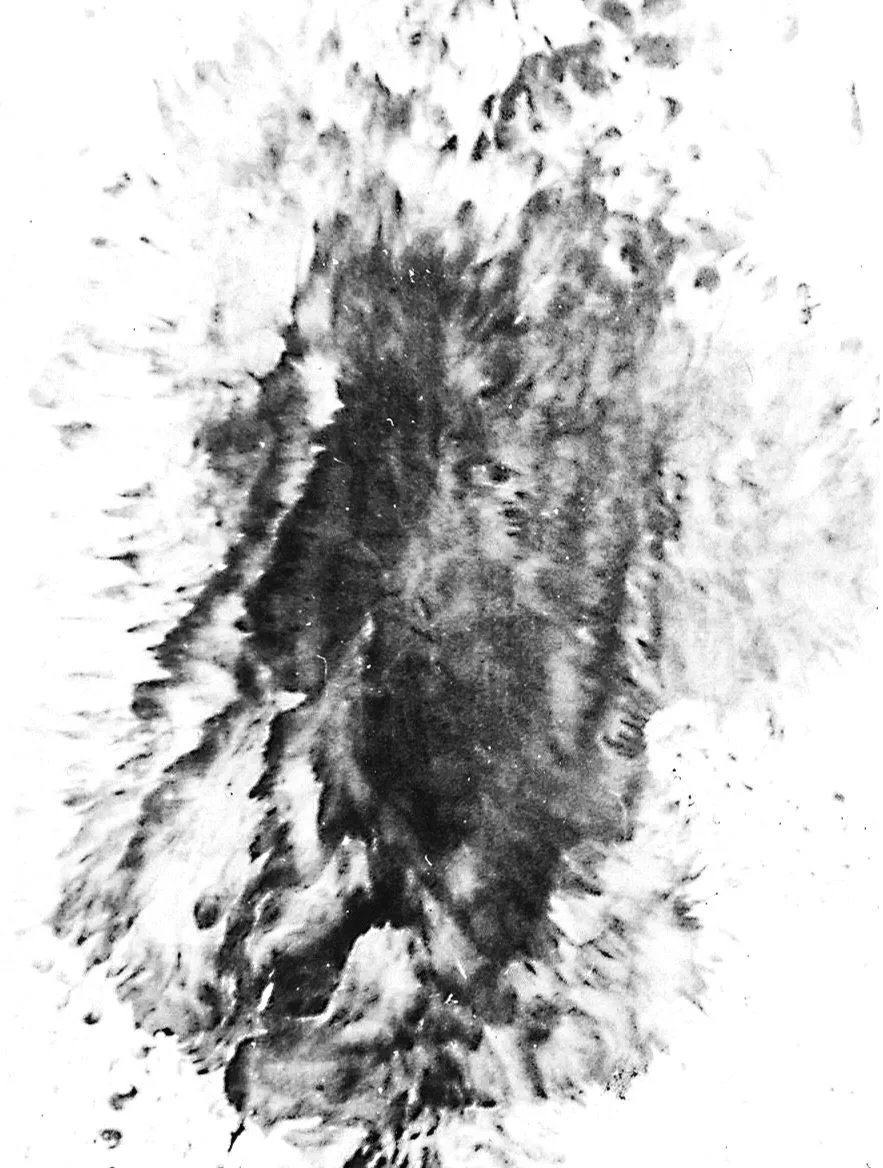
俞晓刚 Yu Xiaogang 水墨 宣紙 Ink and wash on rice paper 1983
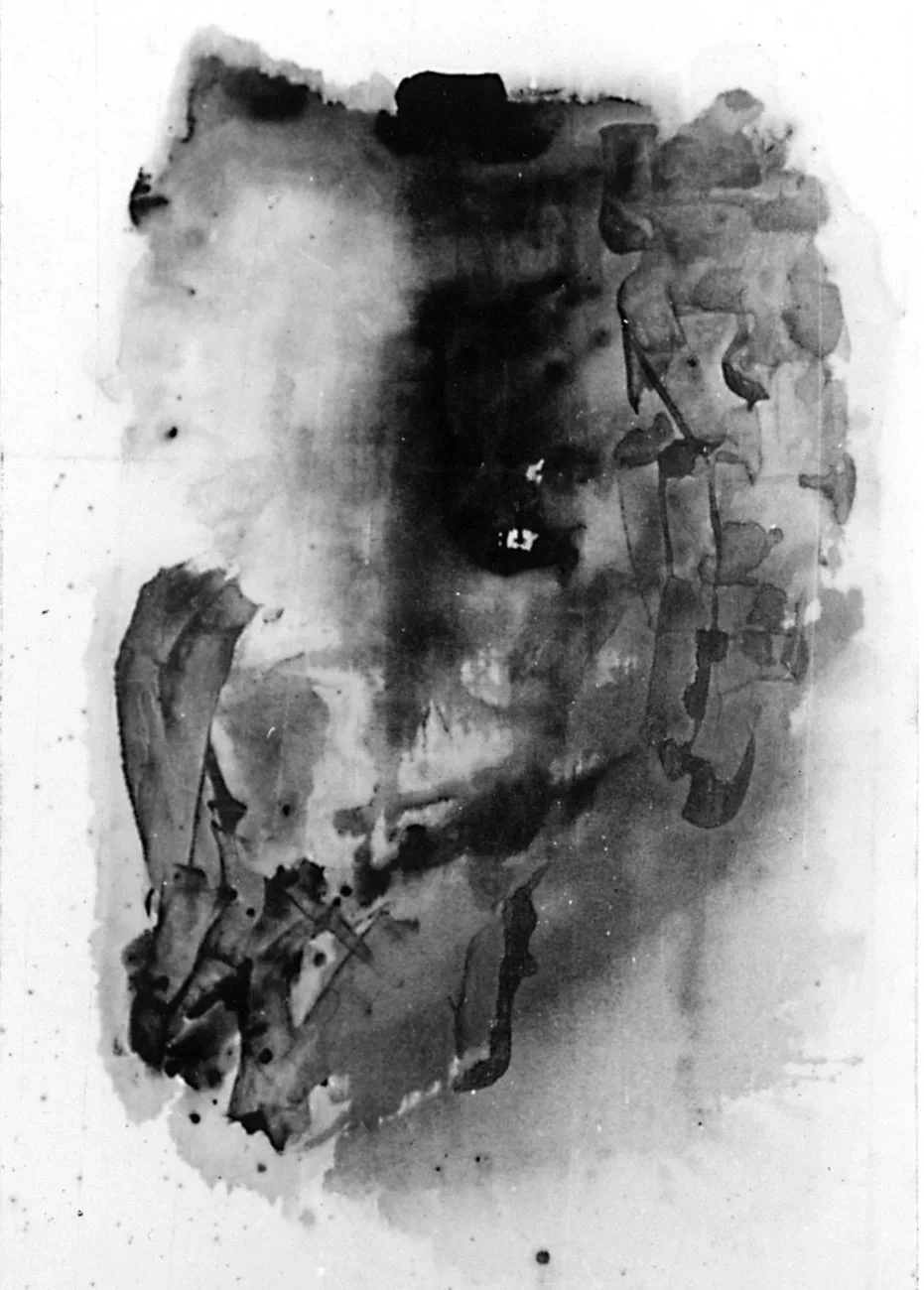
黃永砯 Huang Yongping 油画 Oil on Canvas. (色彩 was colour) 1983
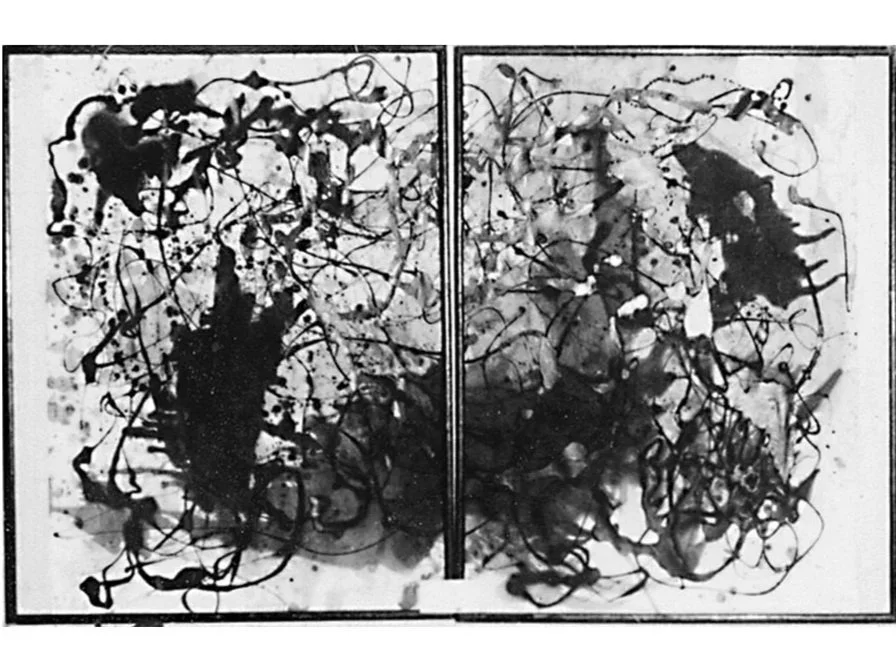
林嘉华 Lin Jiahua 油画 Oil on Canvas (色彩 was colour) 1983 1600 x 1100
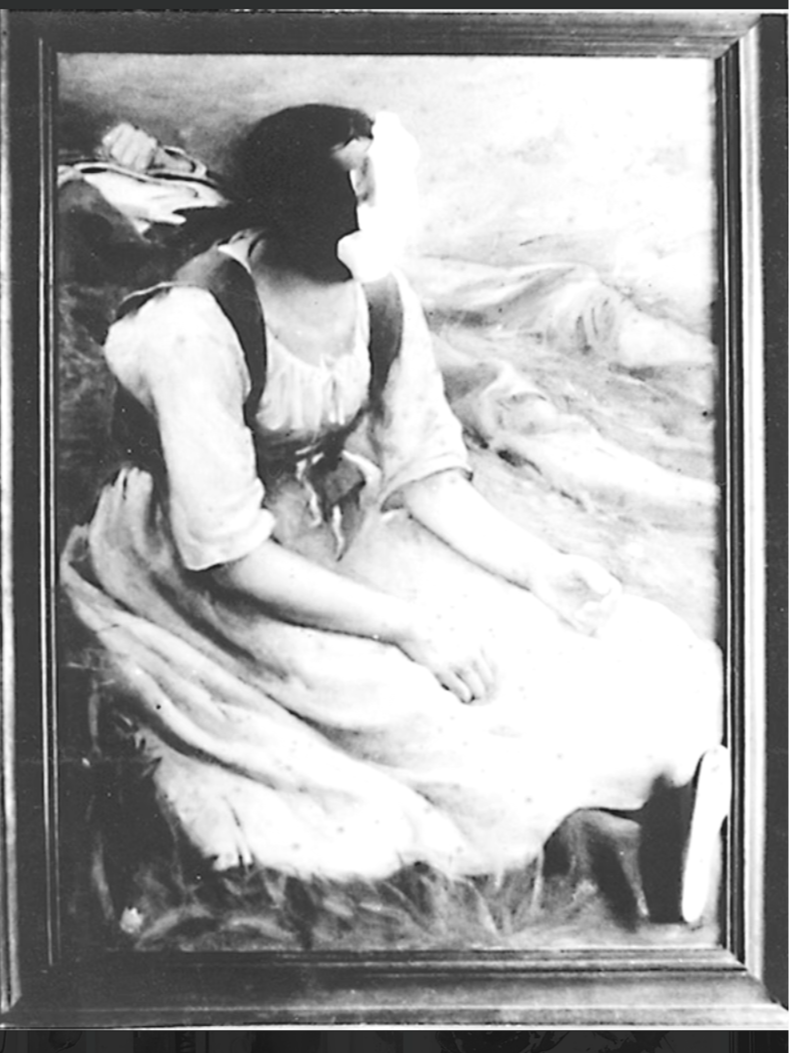
黃永砯 Huang Yong ping 临幕的法國画家 Jules Bastien-Lepage作品(局部) 重新粘贴上半个立体面俱 French painter Jules Bastien-Lepage's work (detail) Re-pasting the upper half of the three-dimensional surface 厦门 Xiamen ( 色彩 was colour) 1983
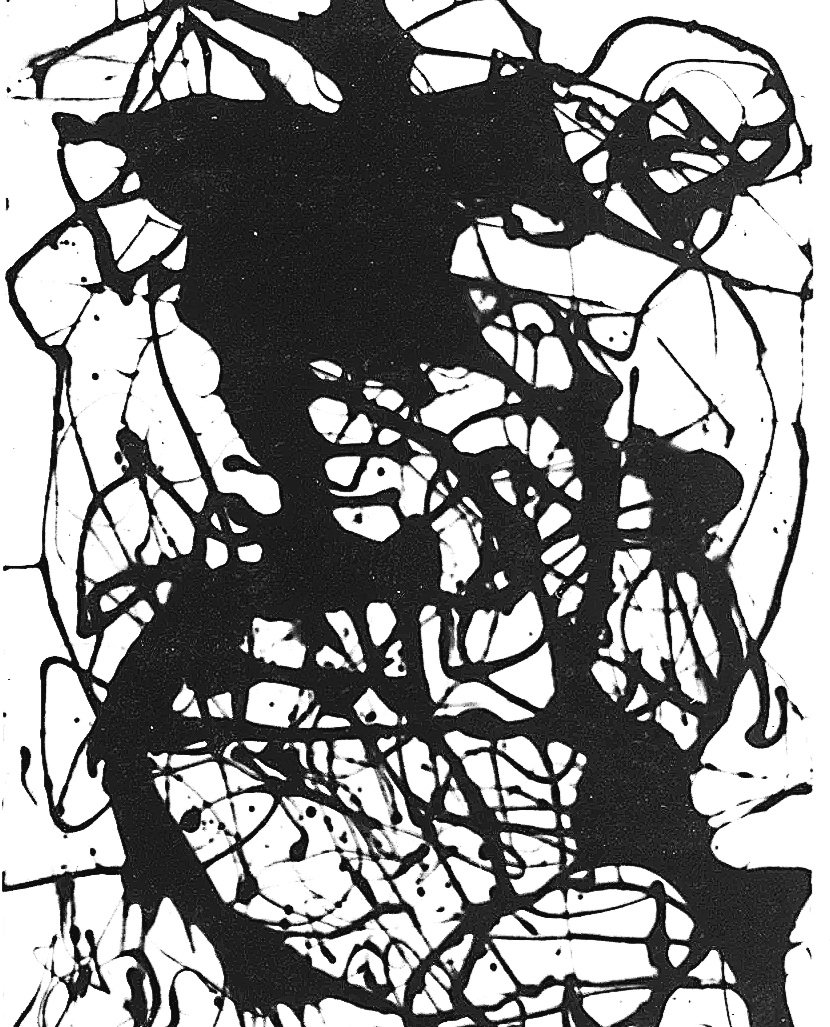
林嘉华 Lin Jiahua 油画 Oil on Canvas (色彩 It was colour) 1983
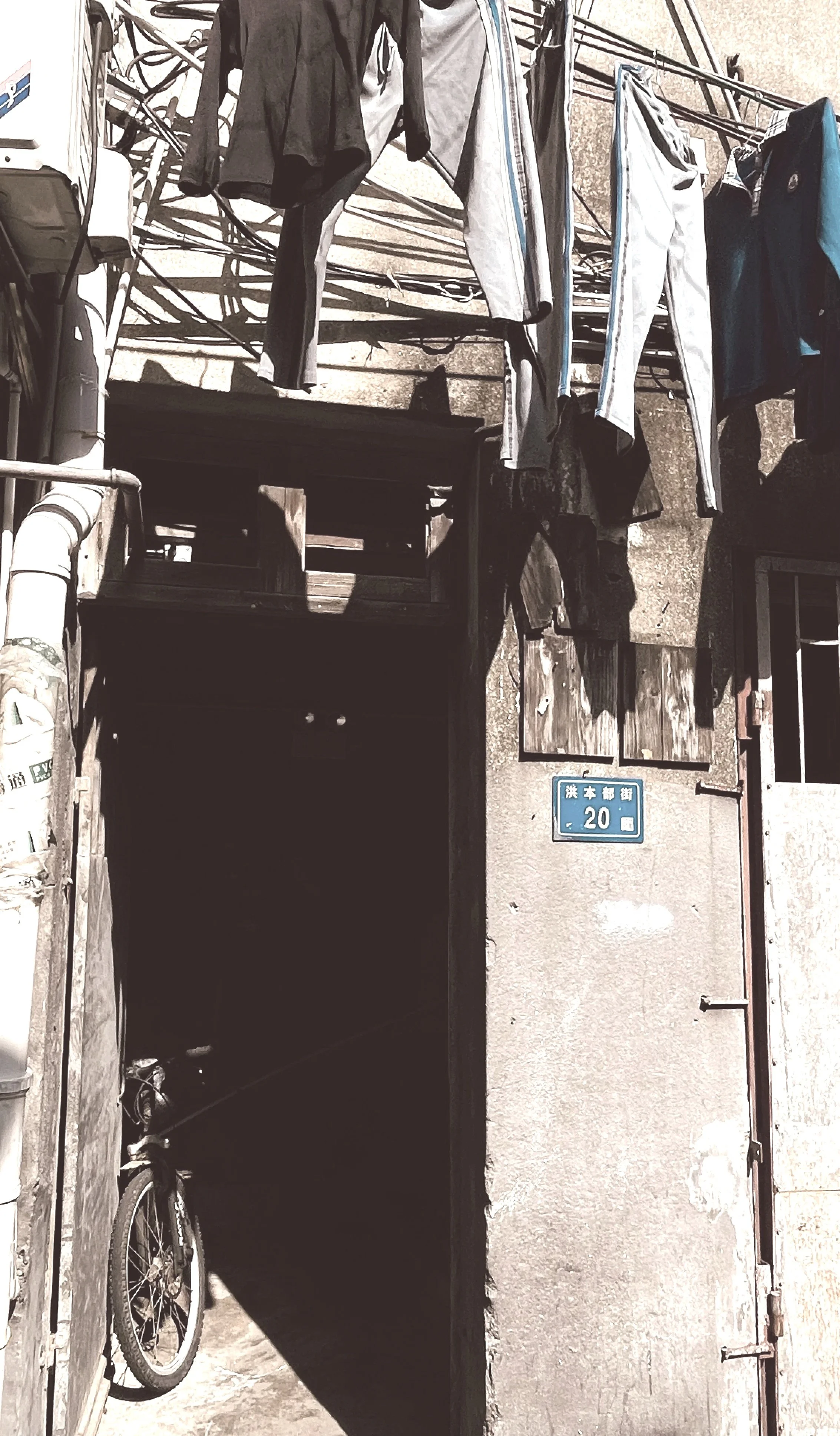
厦门 Xiamen 1980's
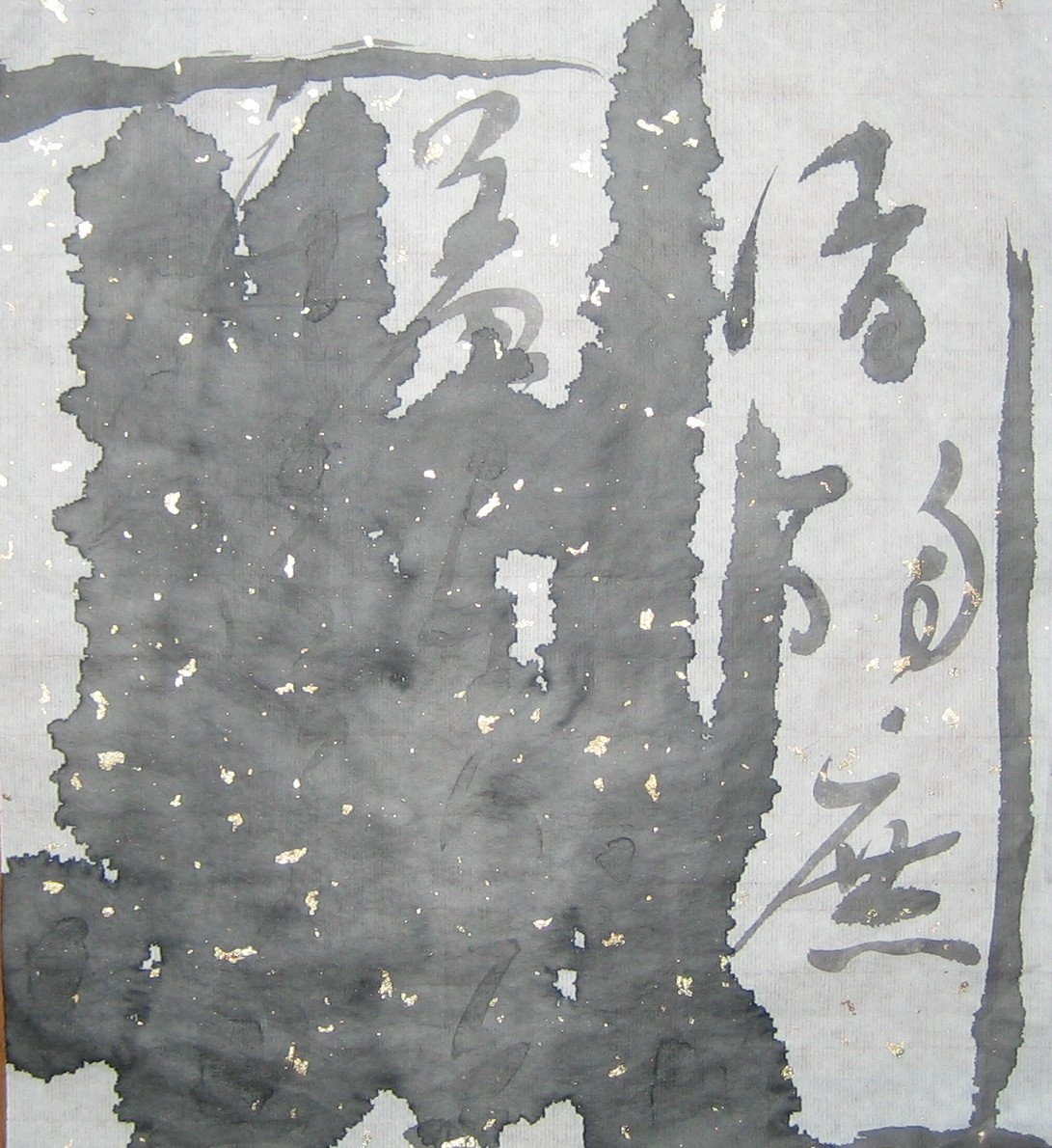
俞晓刚 Yu Xiaogang 水墨 宣紙 Ink and wash on rice paper 1983
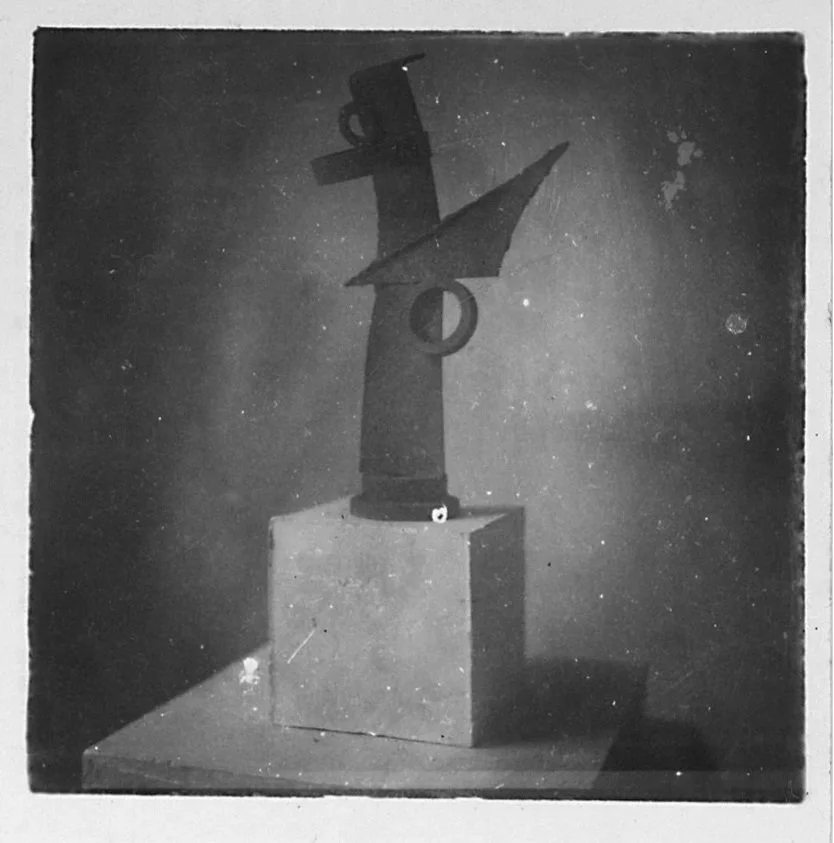
焦跃明 Jiao Yaoming 金属焊接 Metal welding 300 H Xiamen 1983
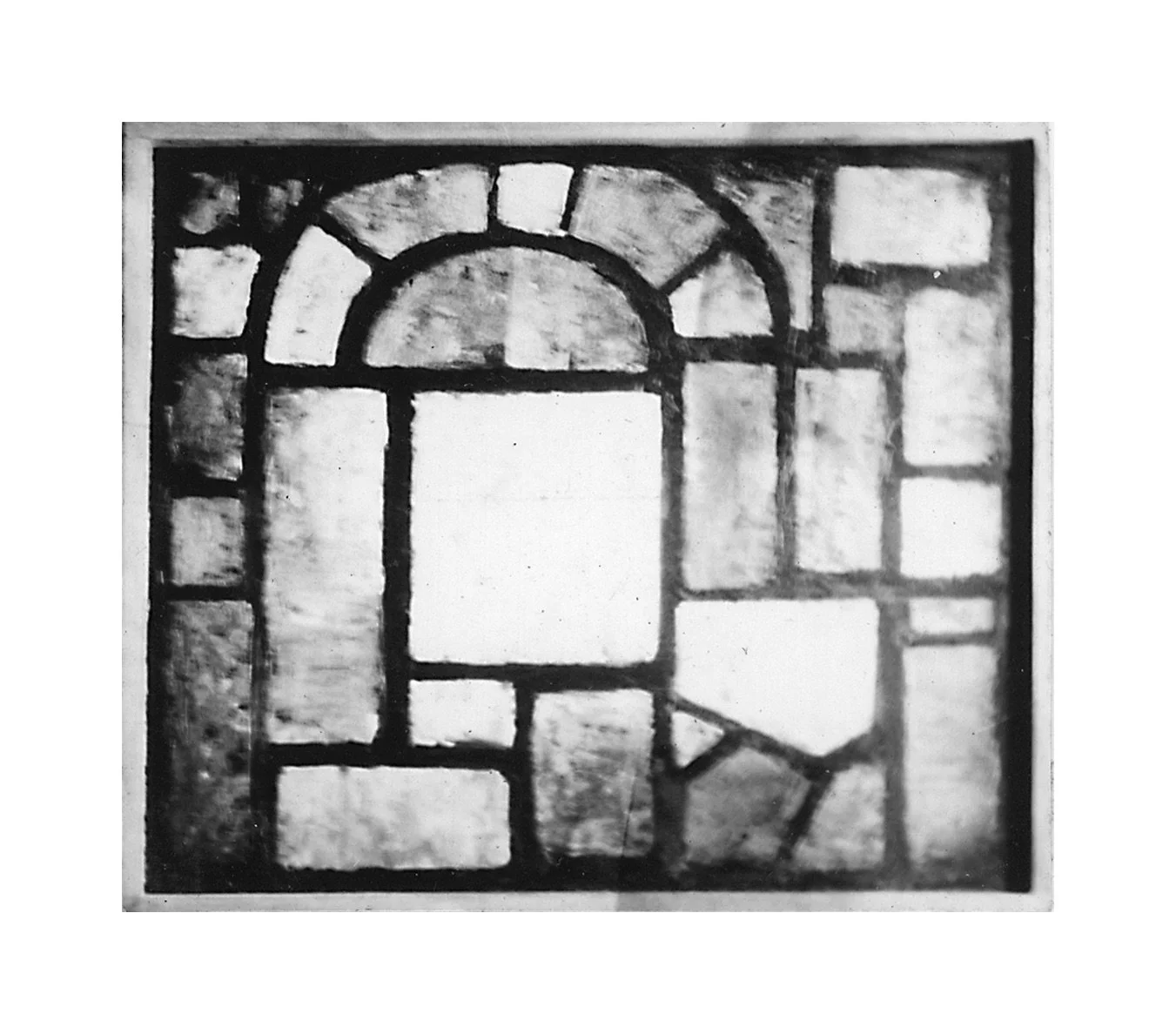
焦跃明 Jiao Yaoming 油画 Oil on Board 1983 600 x 600
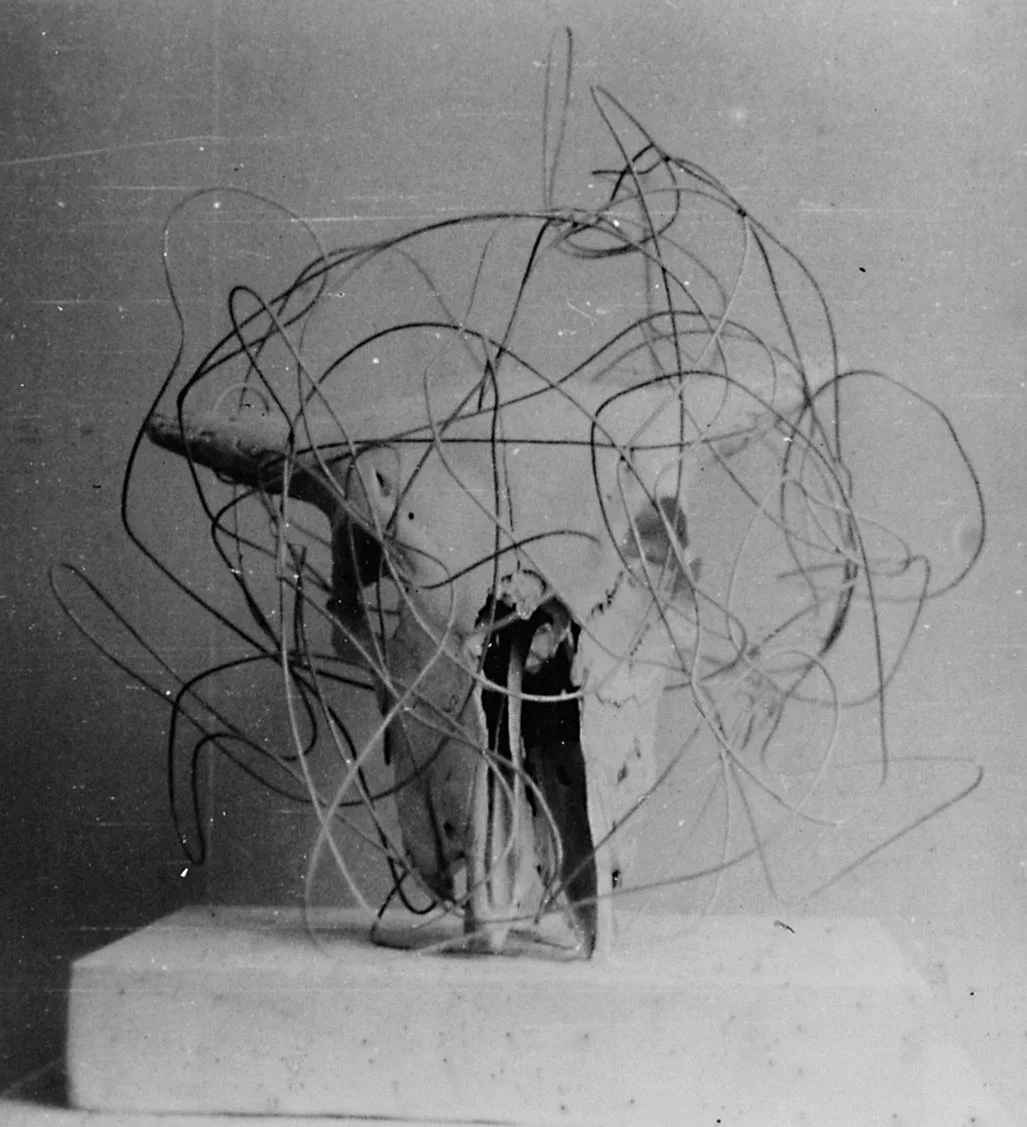
焦跃明 Jiao Yaoming 生态平衡 2# Ecological balance 1983 金属焊接 Metal welding
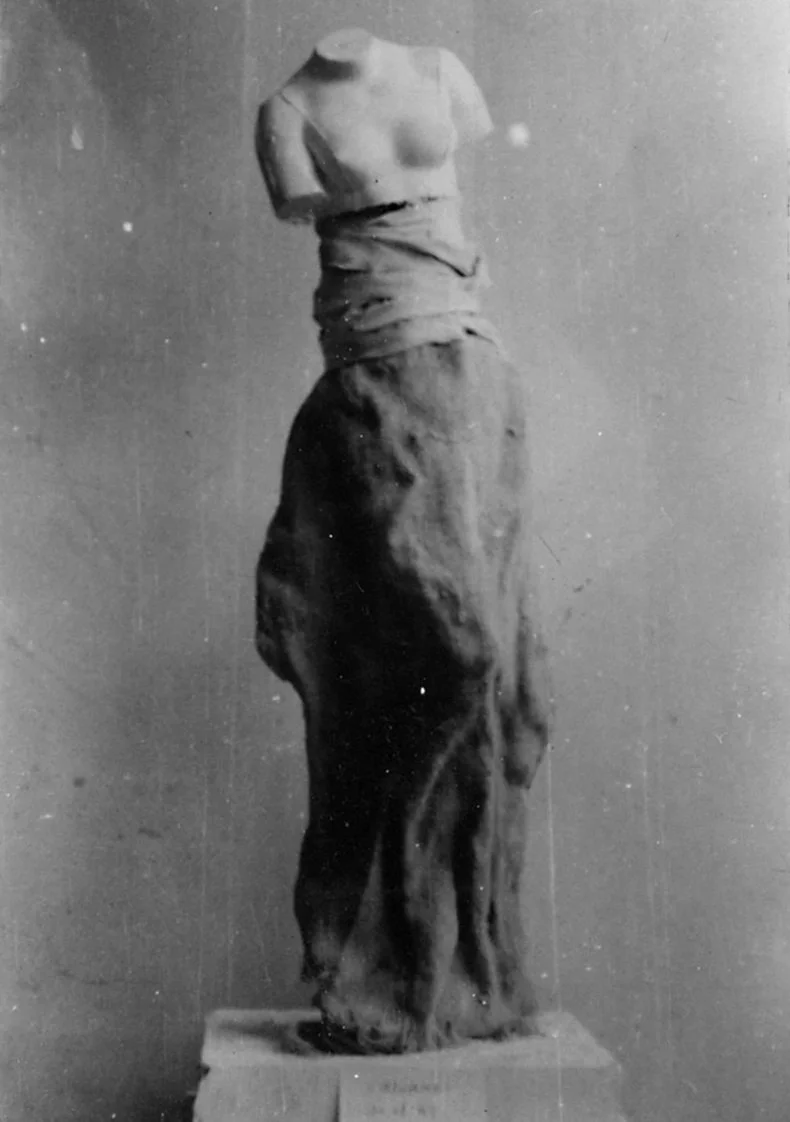
焦跃明 Jiao Yaoming Xiamen 1983
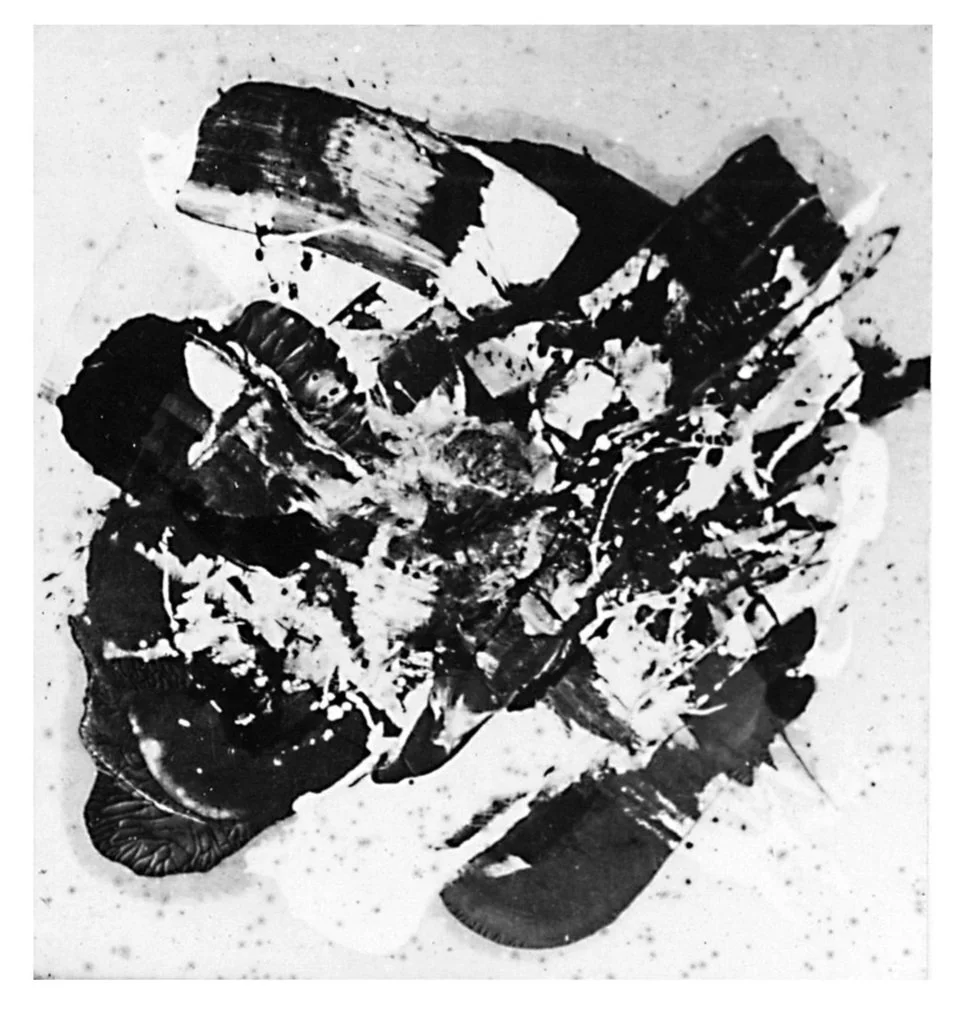
黃永砯 Huang Yongping 油画 Oil on Canvas. (色彩 It was colour) 1983 1270 x 1270
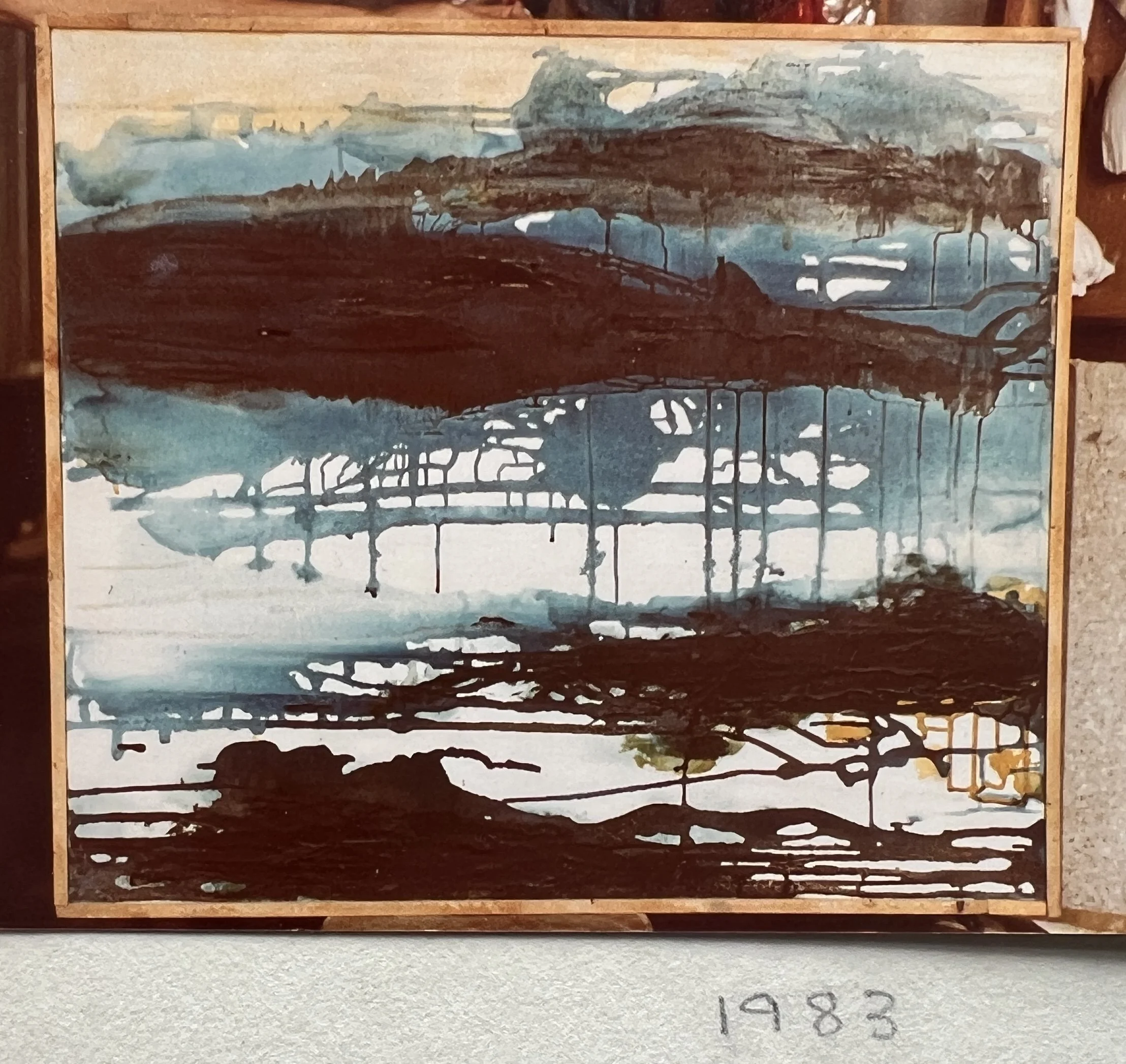
俞晓刚 Yu Xiaogang 油画 Oil on canvas 1000 x 700 Xiamen 1983
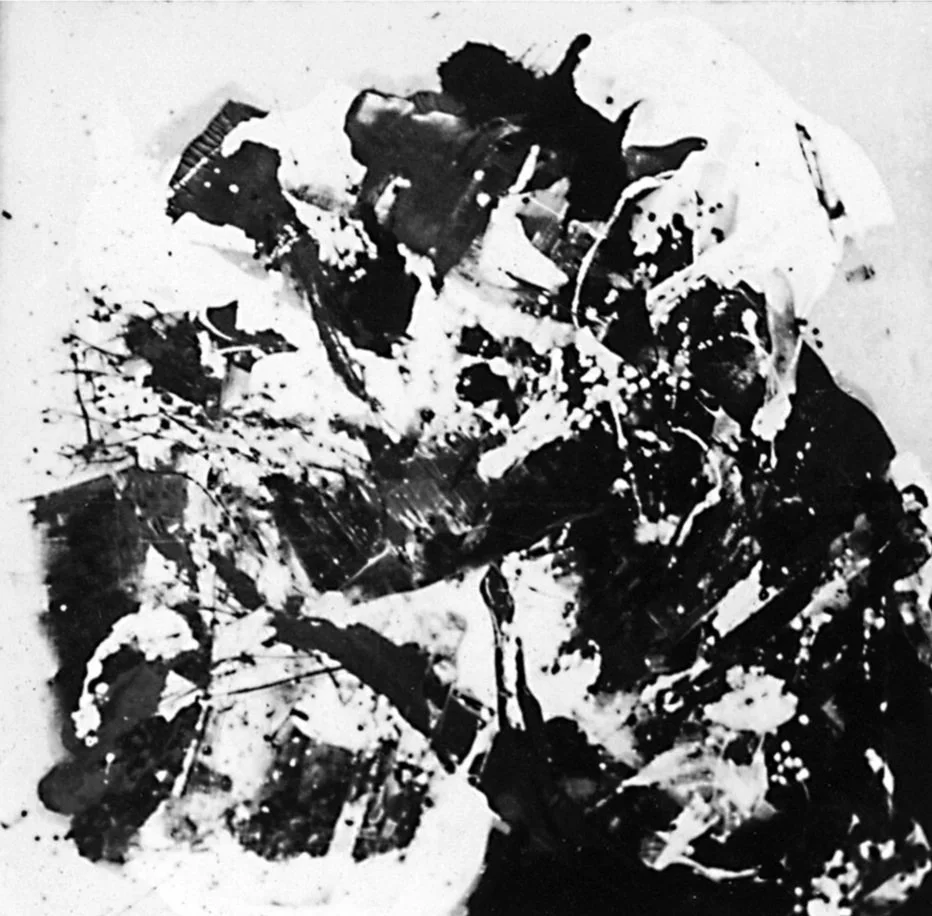
黃永砯 Huang Yongping 油画 Oil on Canvas (色彩 It was colour) 1270 x 1270 1983
1983
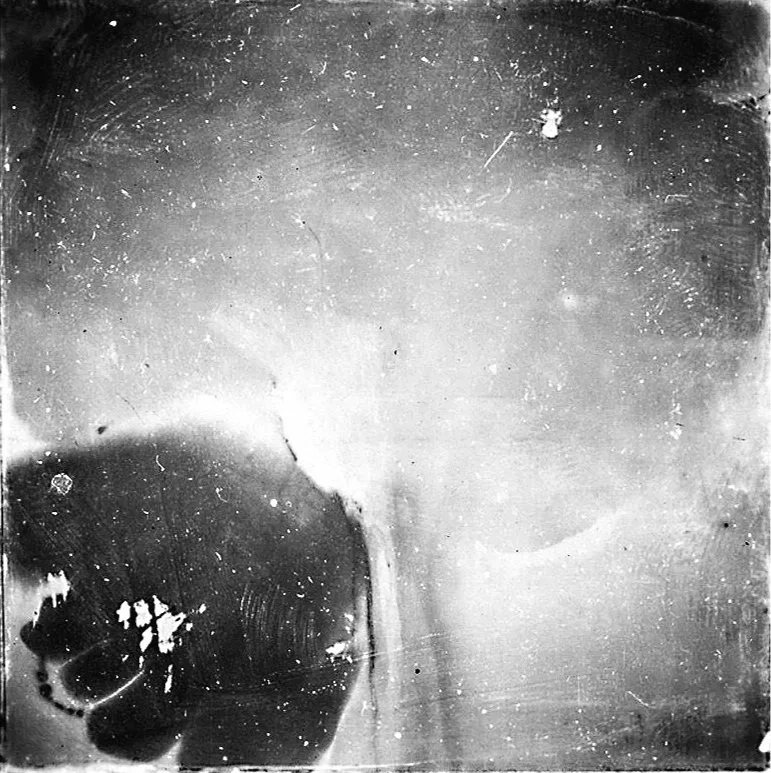
黃永砯 Huang Yongping 油画 Oil on Canvas. (色彩 It was colour) 1983 2080 x 2150
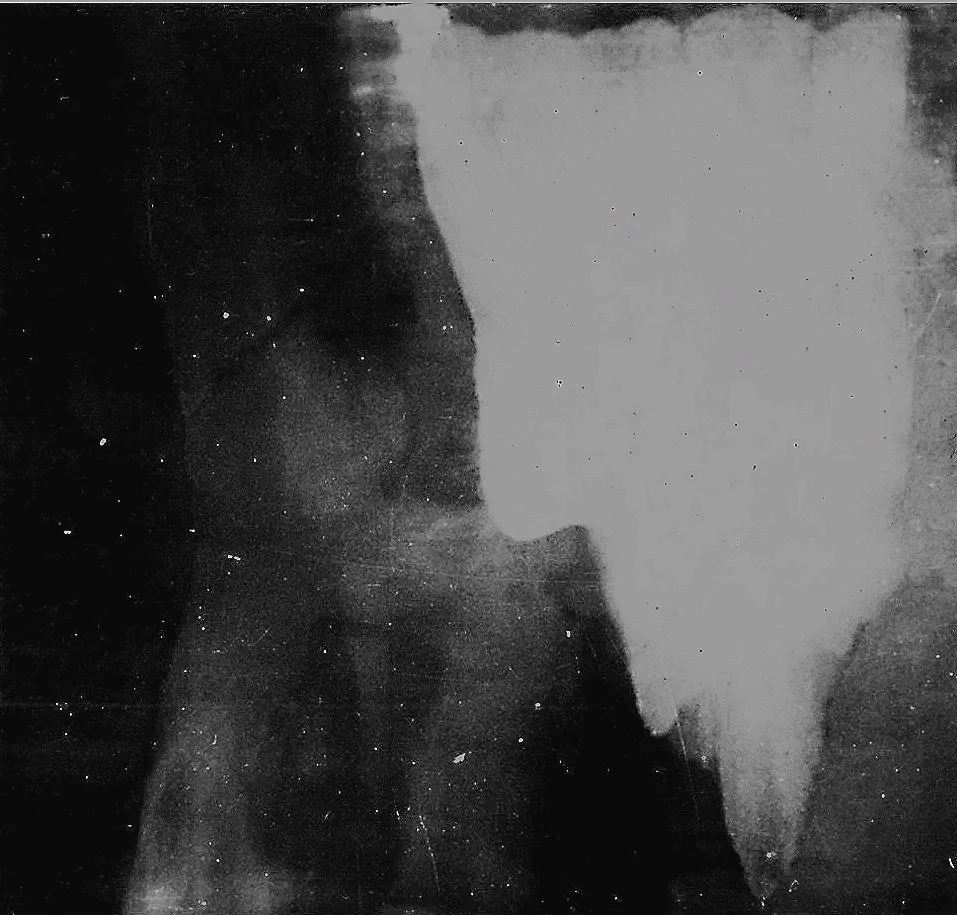
黃永砯 Huang Yongping 油画 Oil on Canvas (色彩 It was colour) 1983
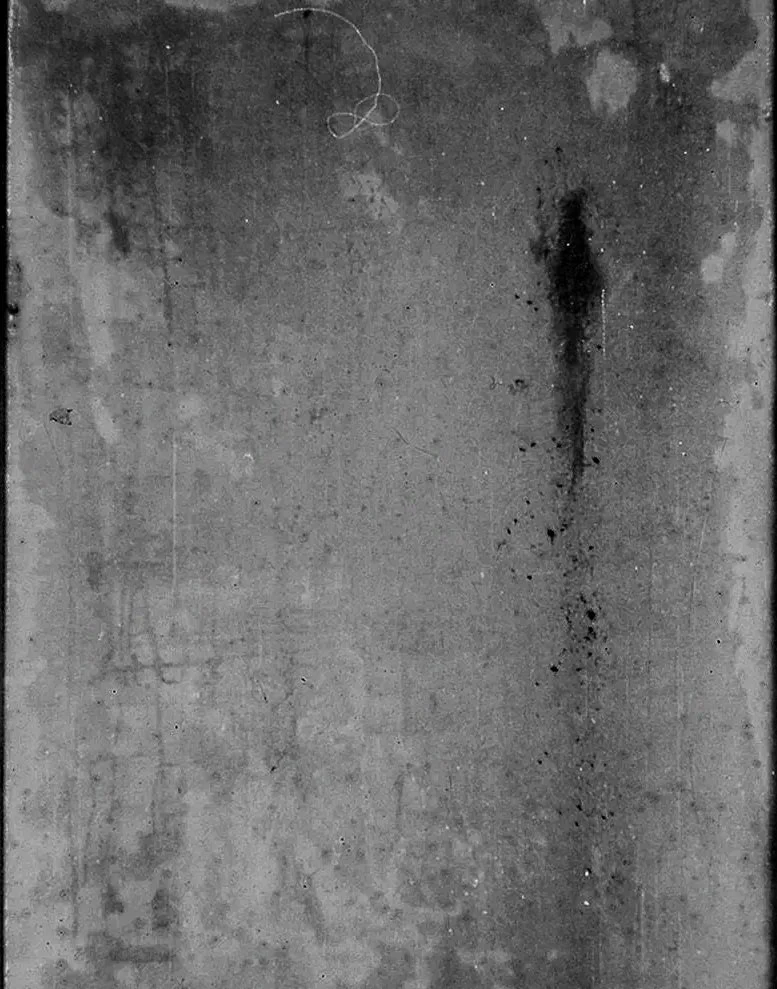
黃永砯 Huang Yongping 油画 Oil on Canvas (色彩 was colour) 750 x 1030
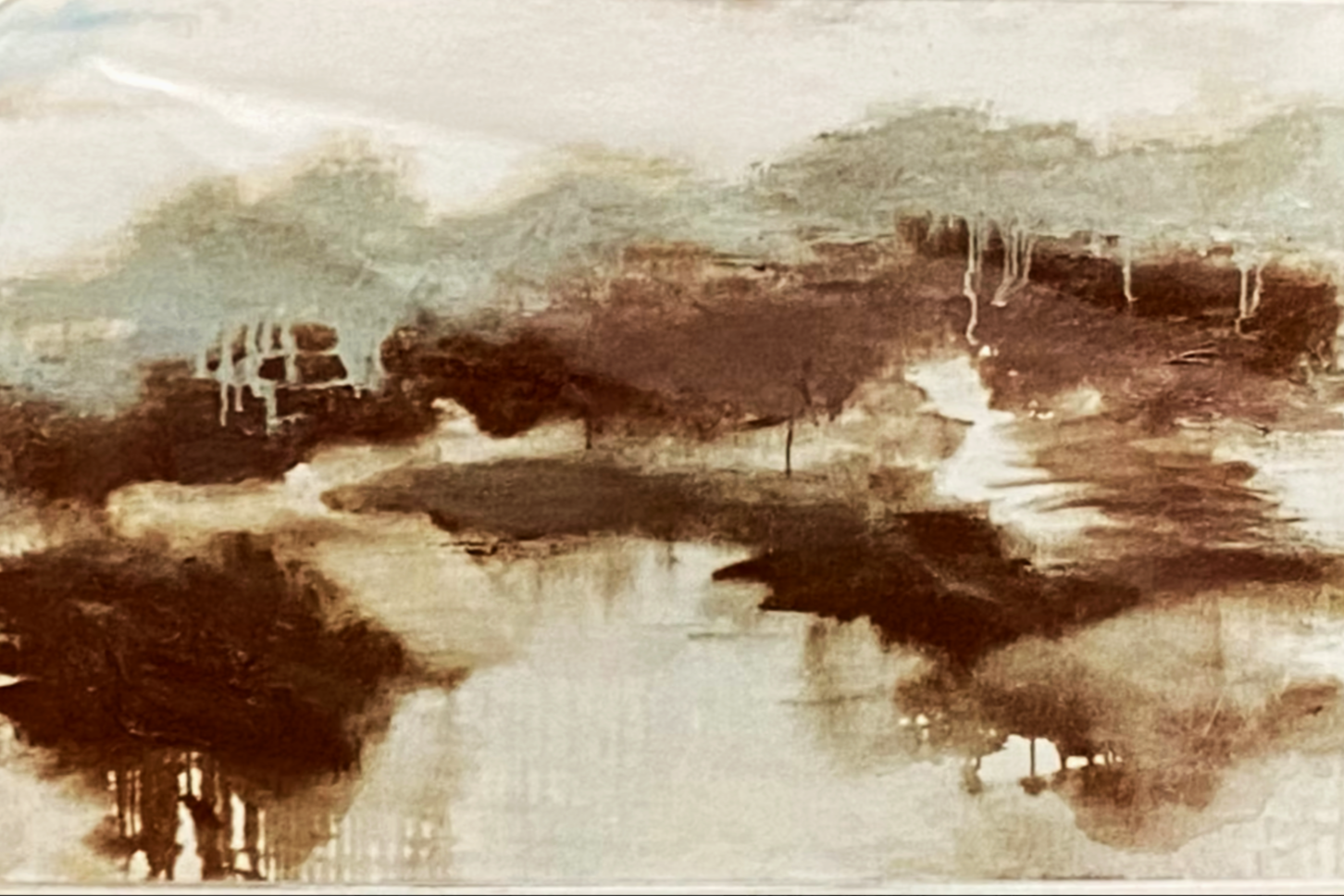
俞晓刚 Yu Xiaogang 油画 Oil on canvas 1200 x 900 厦门 Xiamen 1983
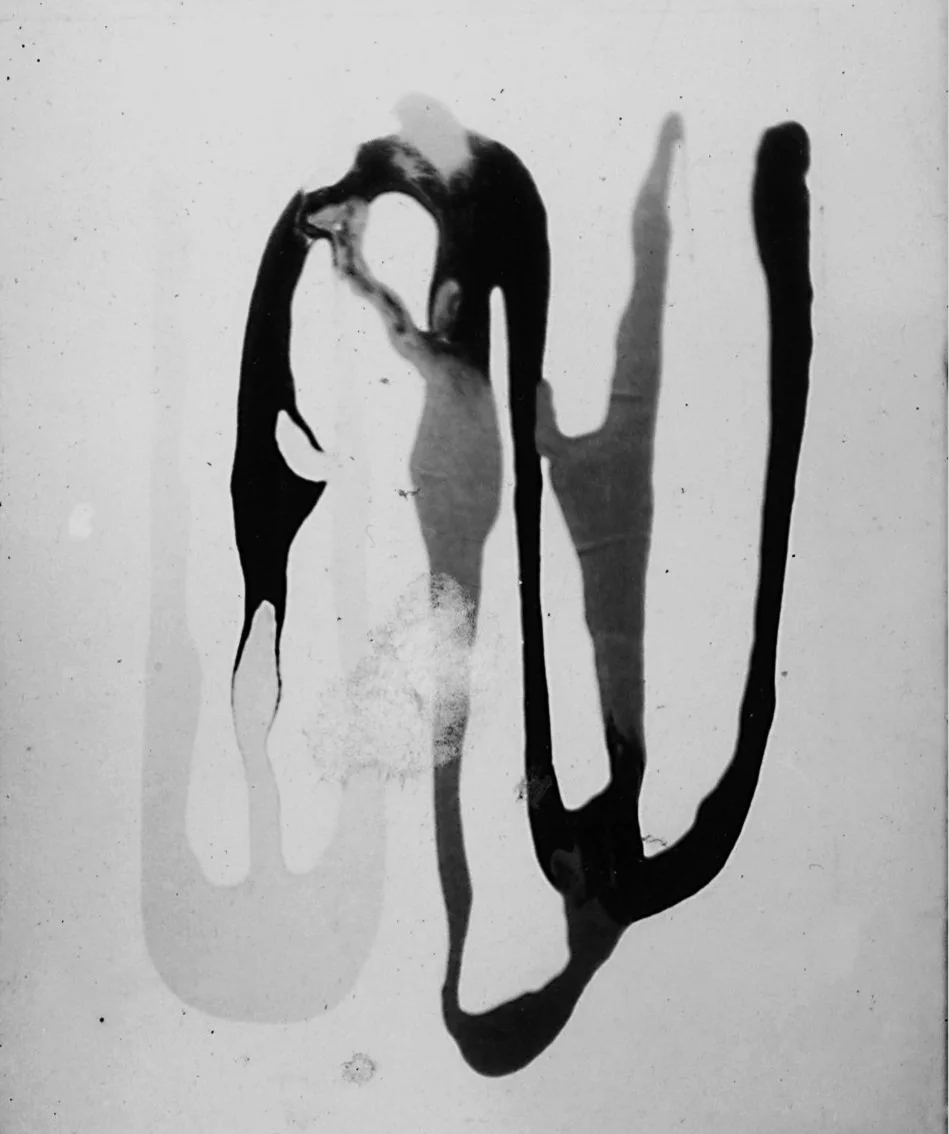
黃永砯 Huang Yongping 油画 Oil on Canvas. (色彩 was colour) 1983 720 x 900
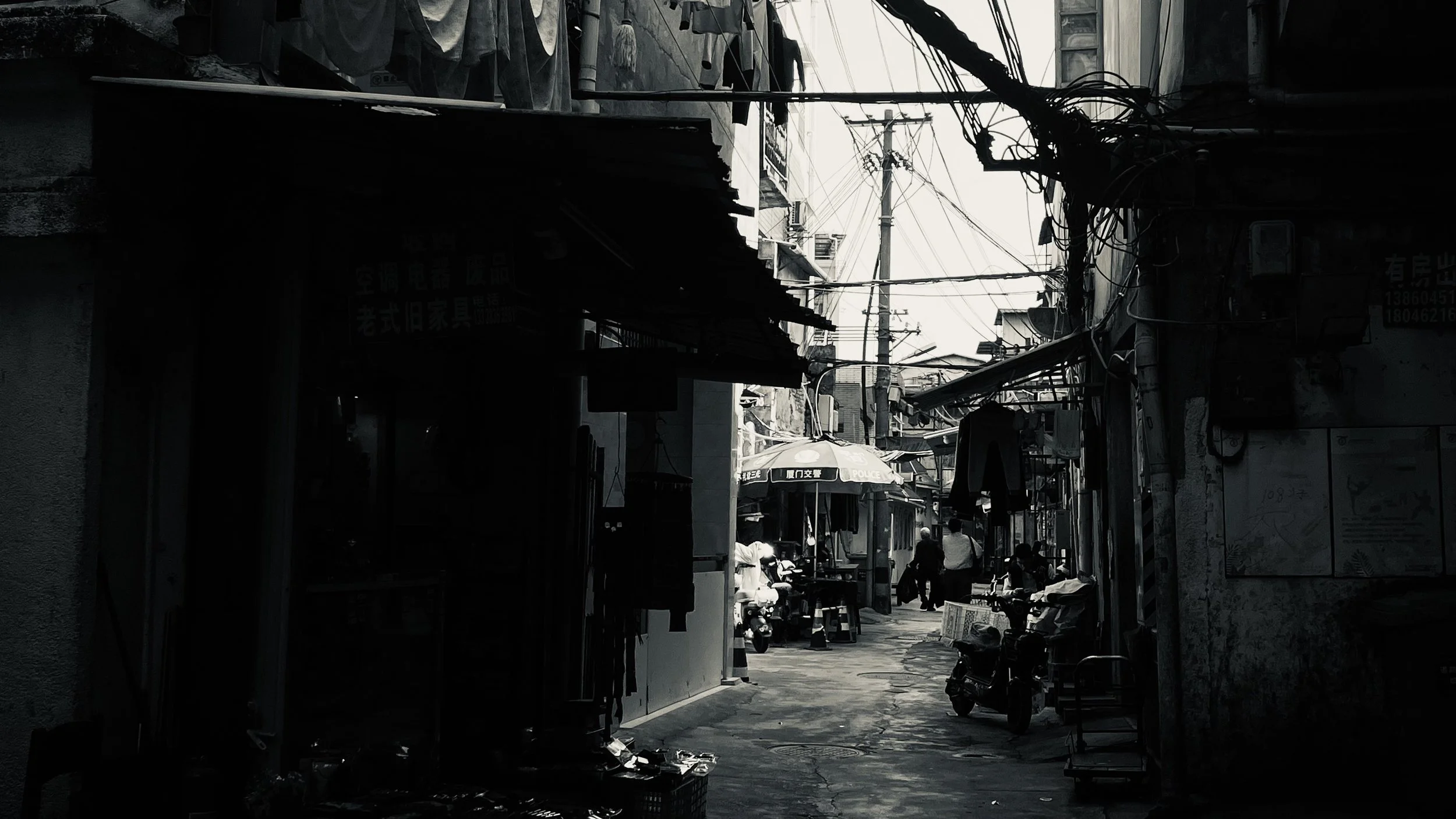
厦门 Xiamen 1980's
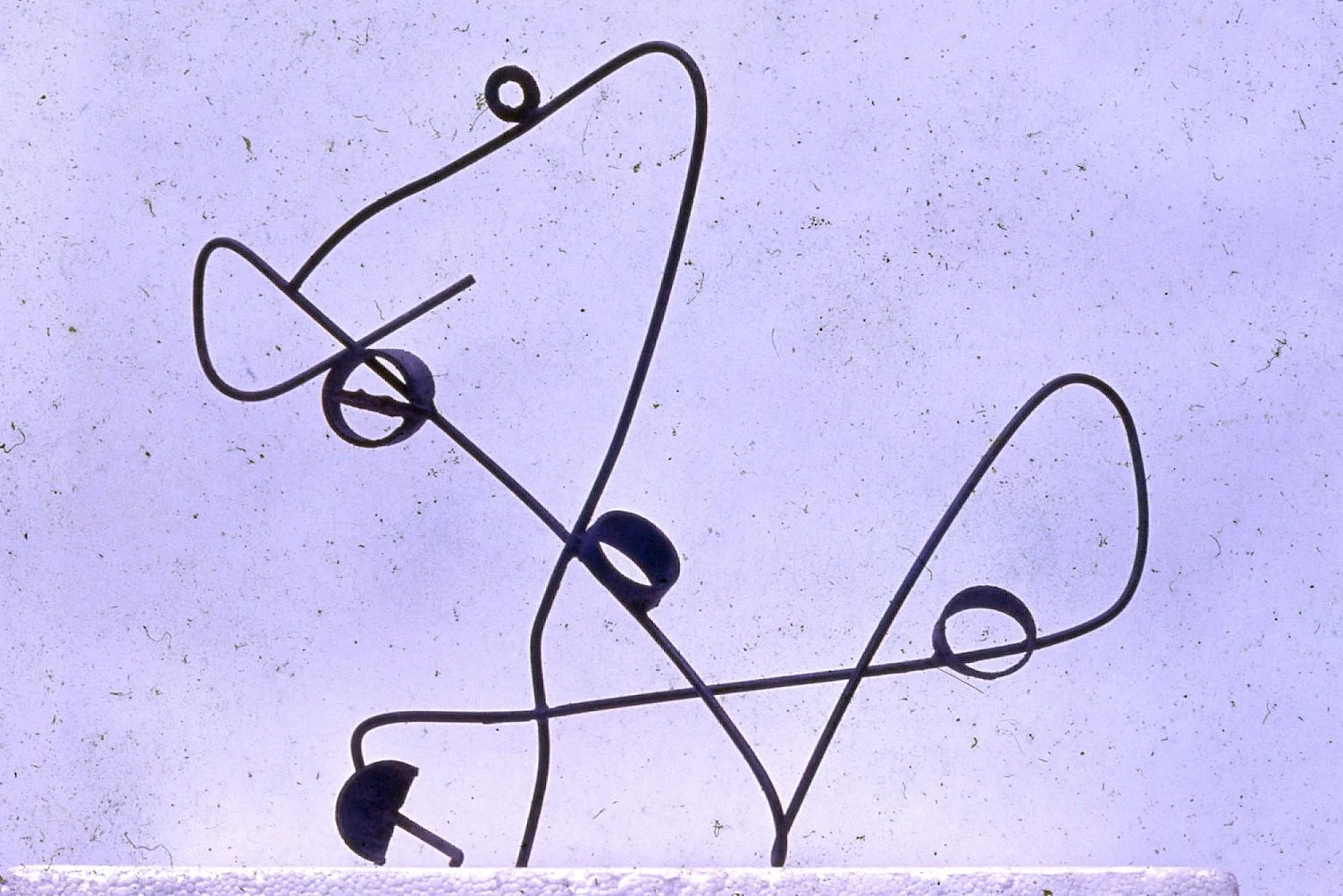
焦跃明 Jiao Yaoming 顺柔的点、线、面 Smooth dots, lines, and planes 1983 金属焊接 Metal welding Xiamen
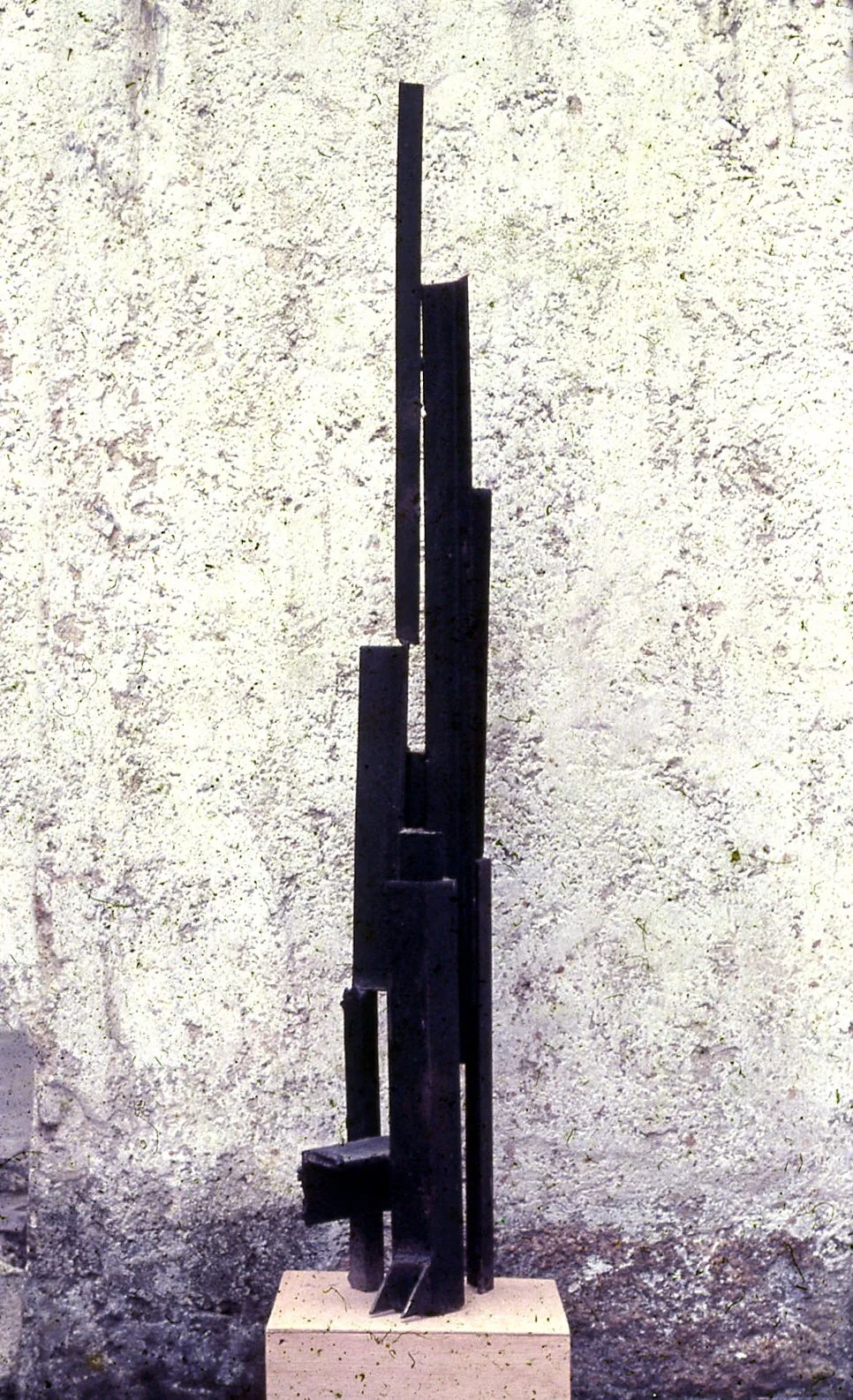
焦跃明 Jiao Yaoming 巴洛克 Baroque 金属焊接 Metal welding 1983
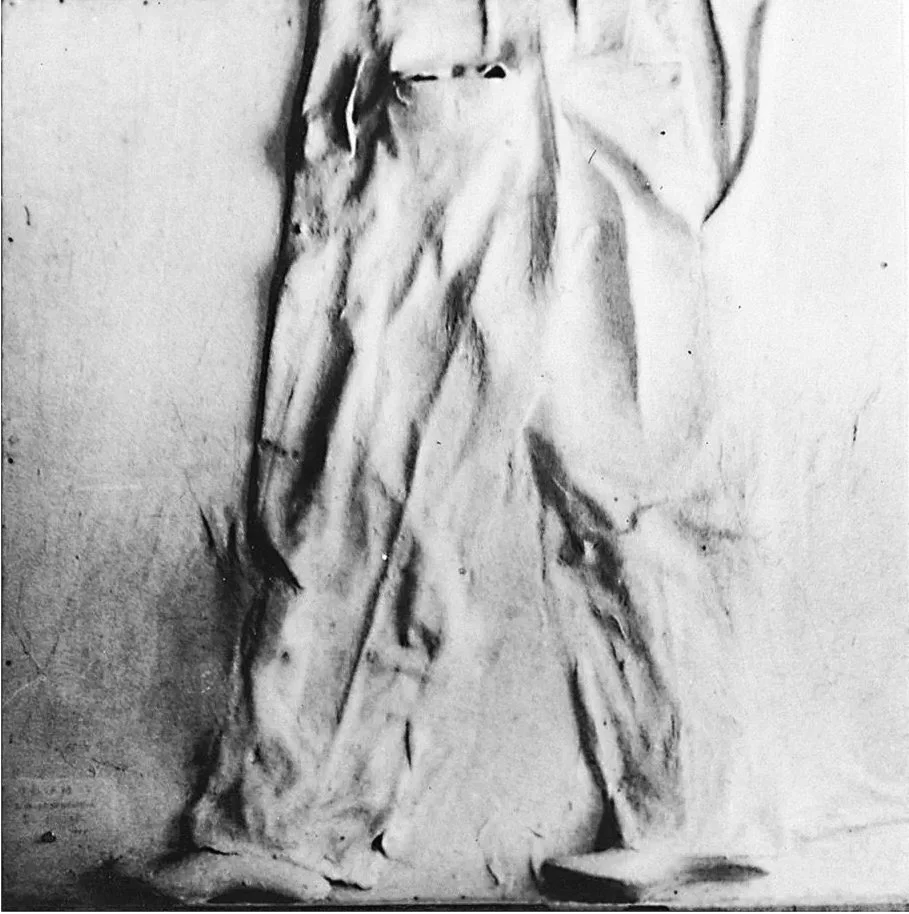
黃 永砯 Huang Yong ping 油画 - 綜合材料 mix material and oil on canvas ( 色彩 was colour) 920 x 920 x 120 厦门 Xiamen 1983
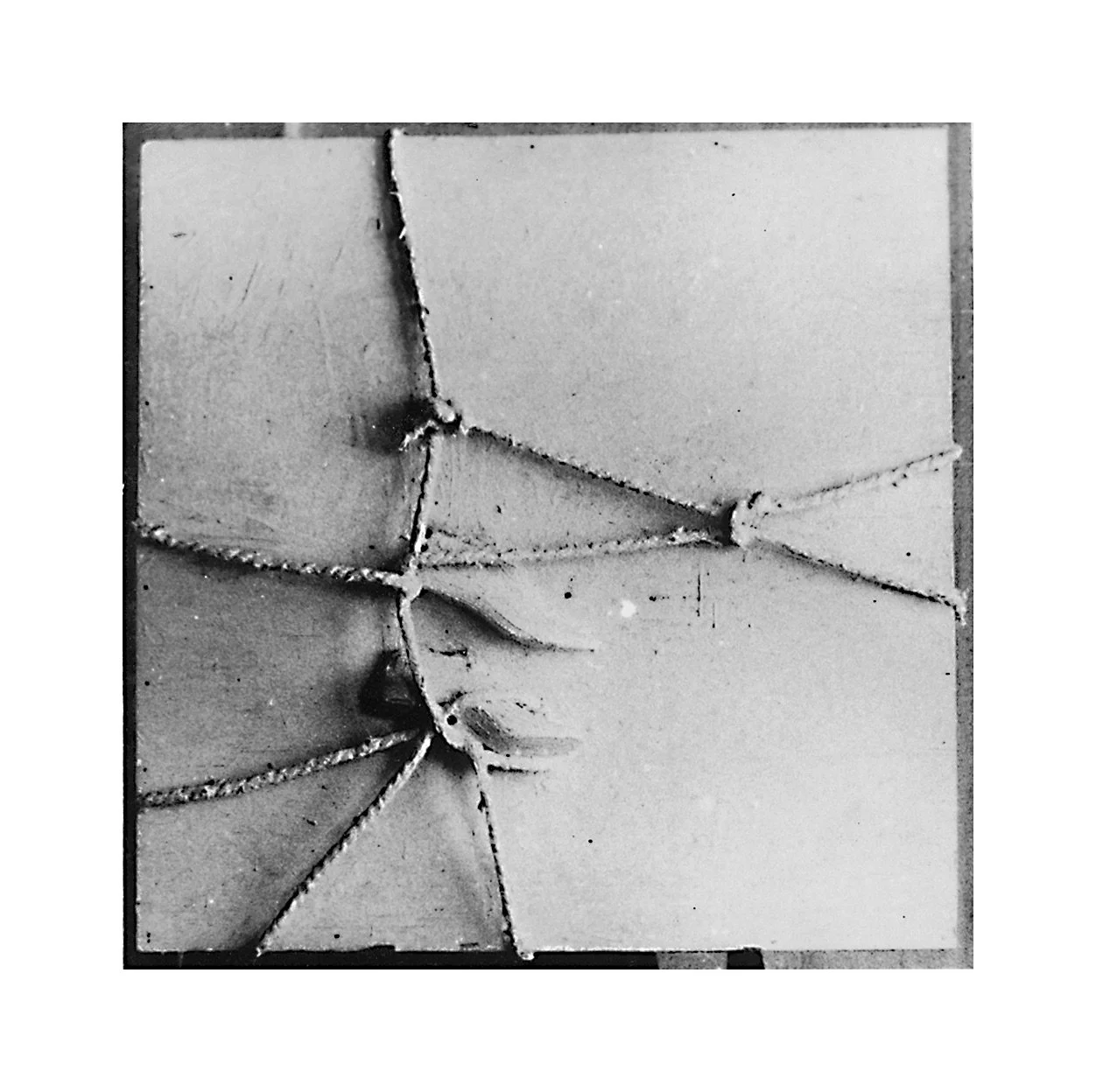
黃永砯 Huang Yongping. 油画 - 綜合材料 mix material and oil on canvas ( 色彩 was colour) 1983 920 x 920 x 120 厦门 Xiamen
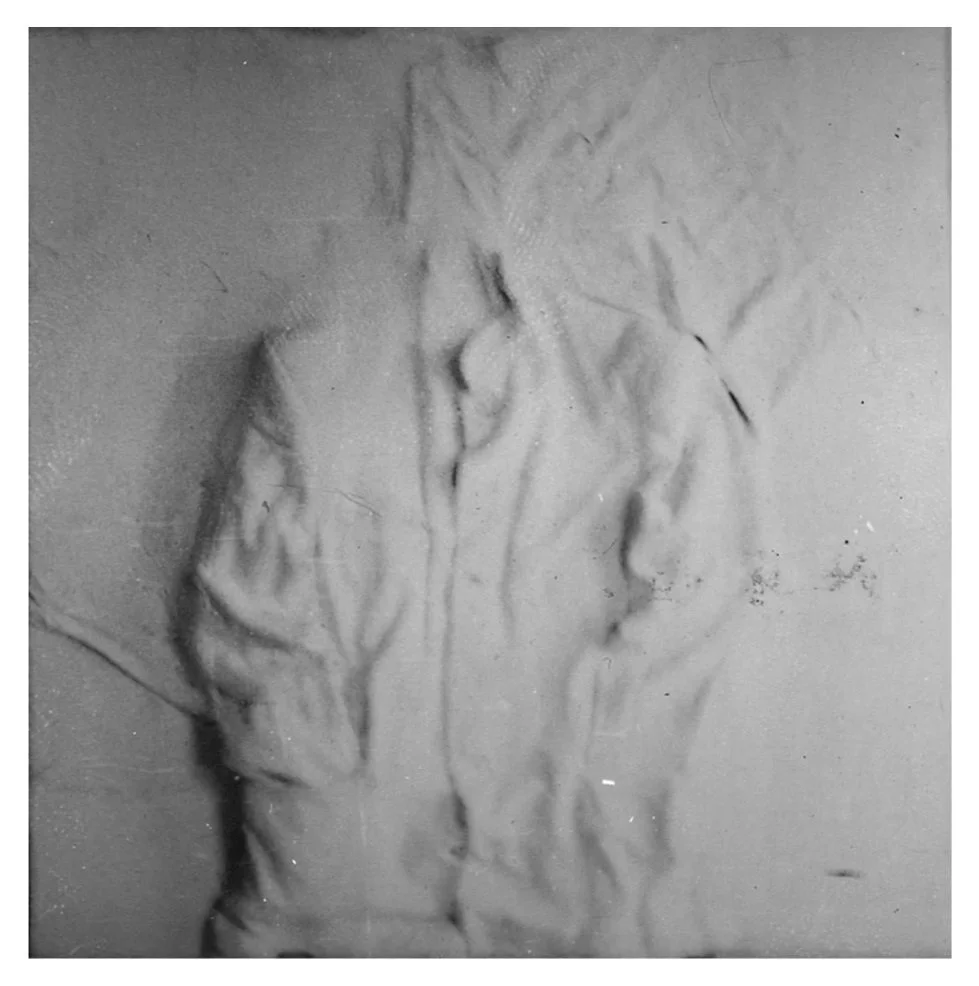
黃永砯 Huang Yong ping 油画 - 綜合材料 mix material and oil on canvas ( 色彩 was colour) 1983 920 x 920 x 120 厦门 Xiamen
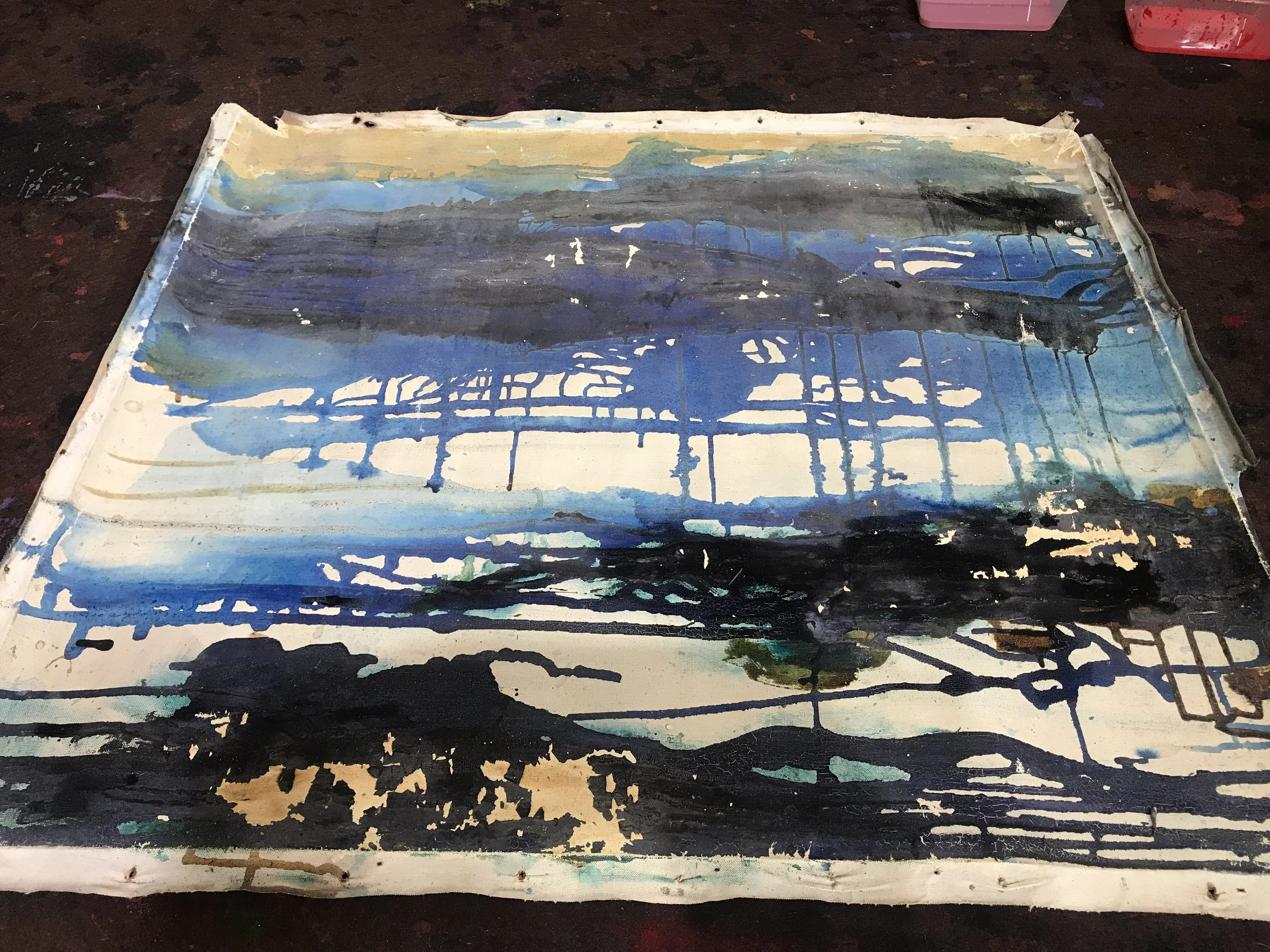
俞晓刚 Yu Xiaogang 油画 Oil on canvas 厦门 1983
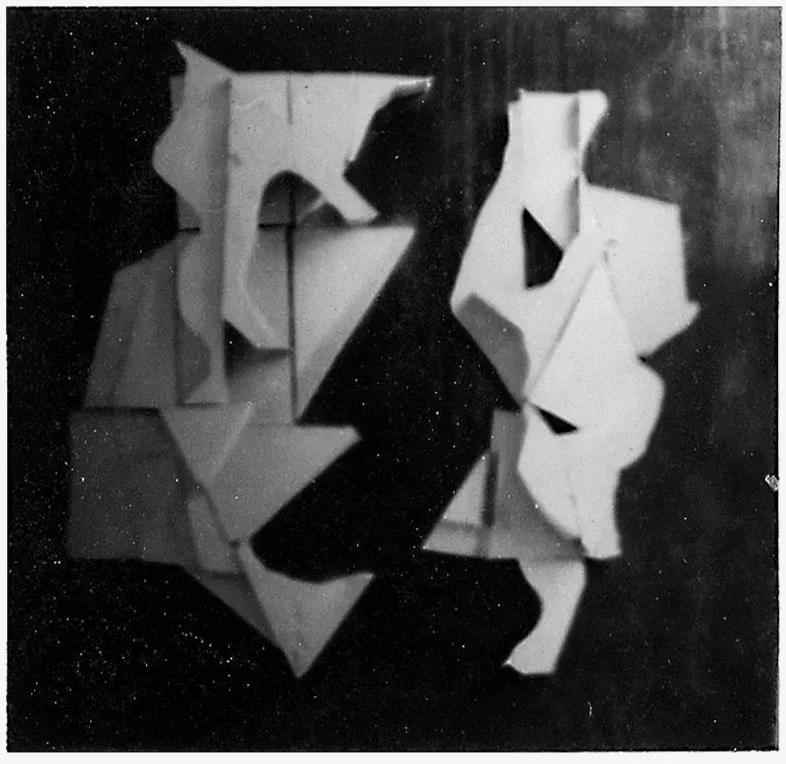
黃永砯 Huang Yongping 綜合材料 mix material (色彩 was colour) 920 x 920 1983
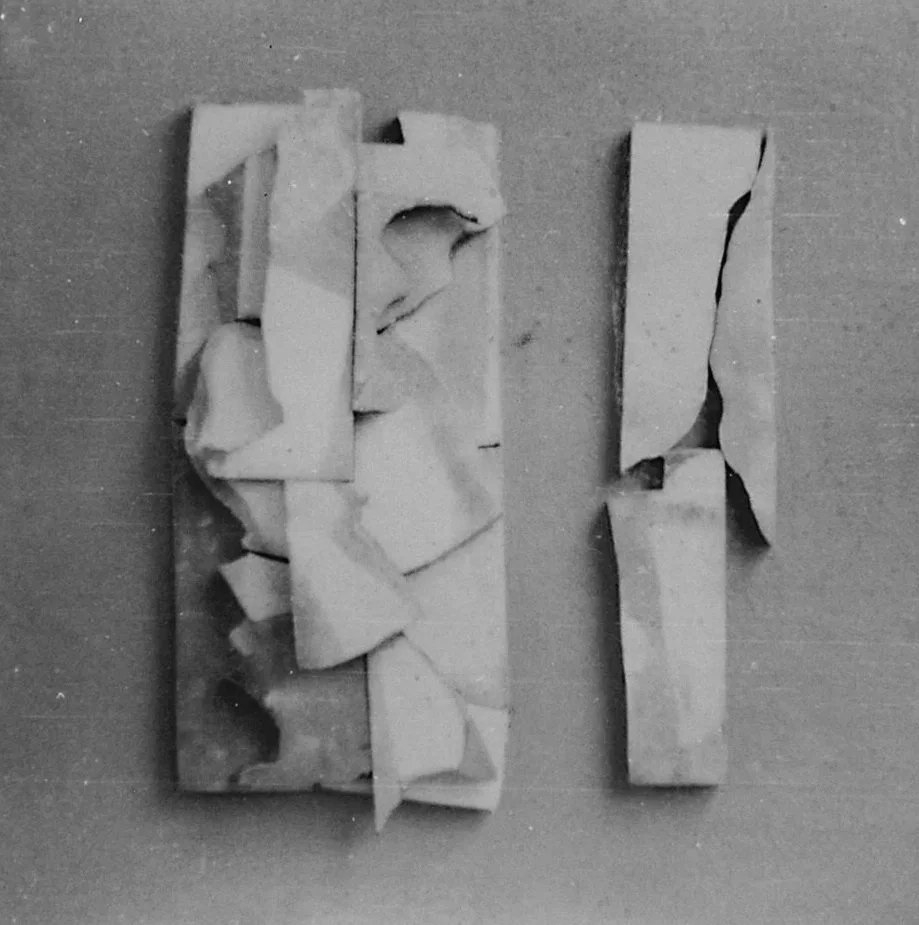
黃永砯 Huang Yongping (色彩 was colour) 綜合材料 mix material 920 x 920 x 14 厦门 Xiamen 1983
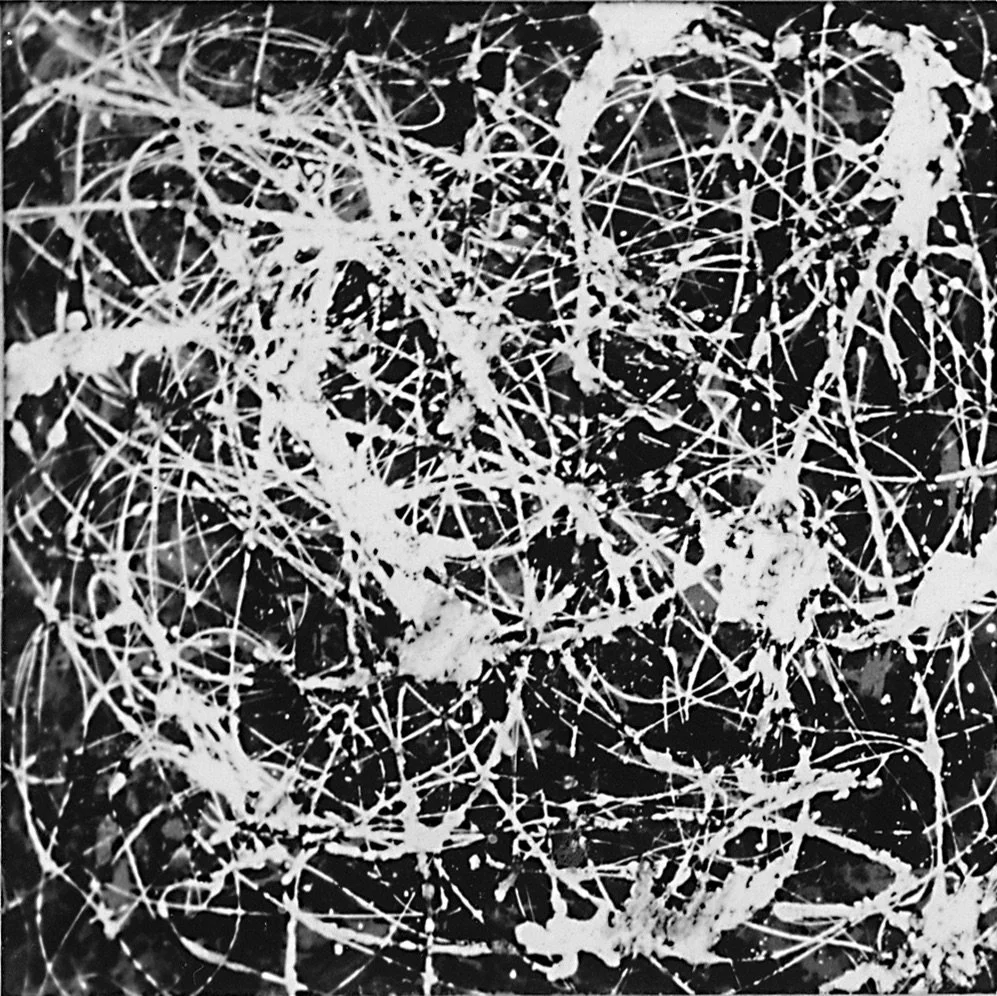
林嘉华 Lin Jiahua 油画 Oil on Canvas (色彩 was colour) 1240 x 1240 1983
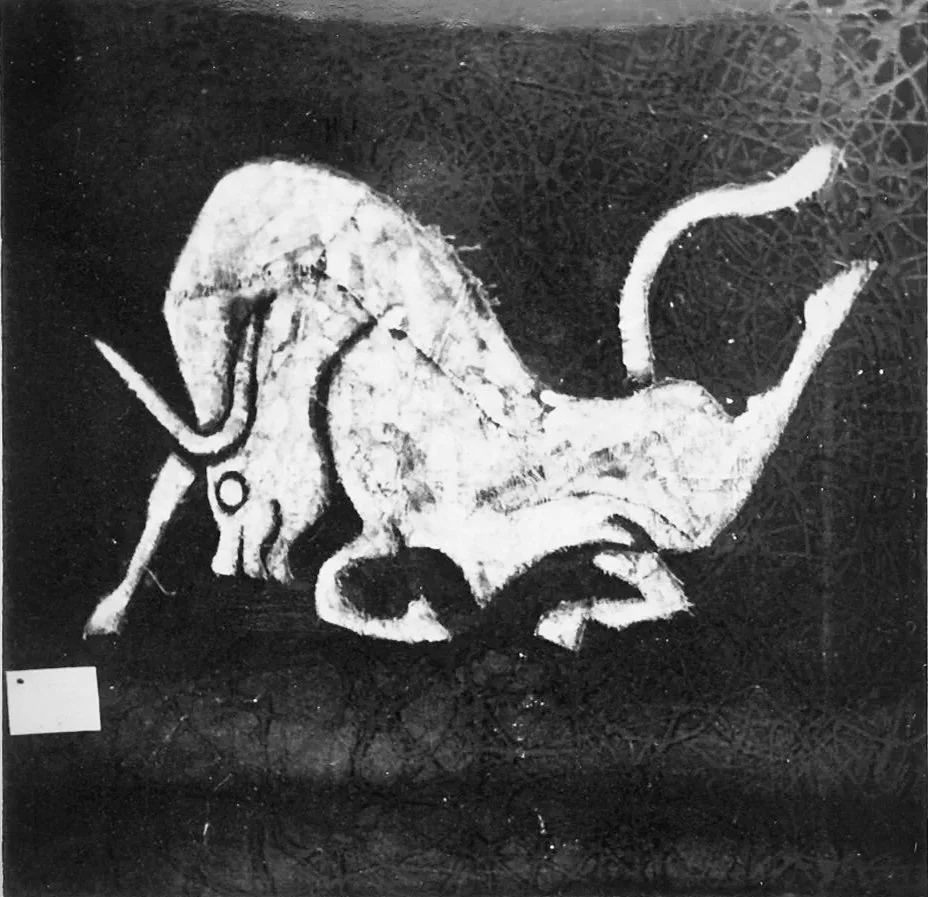
林嘉华 Lin Jiahua 油画 Oil on Canvas (色彩 was colour) 1260 x 1260 1983
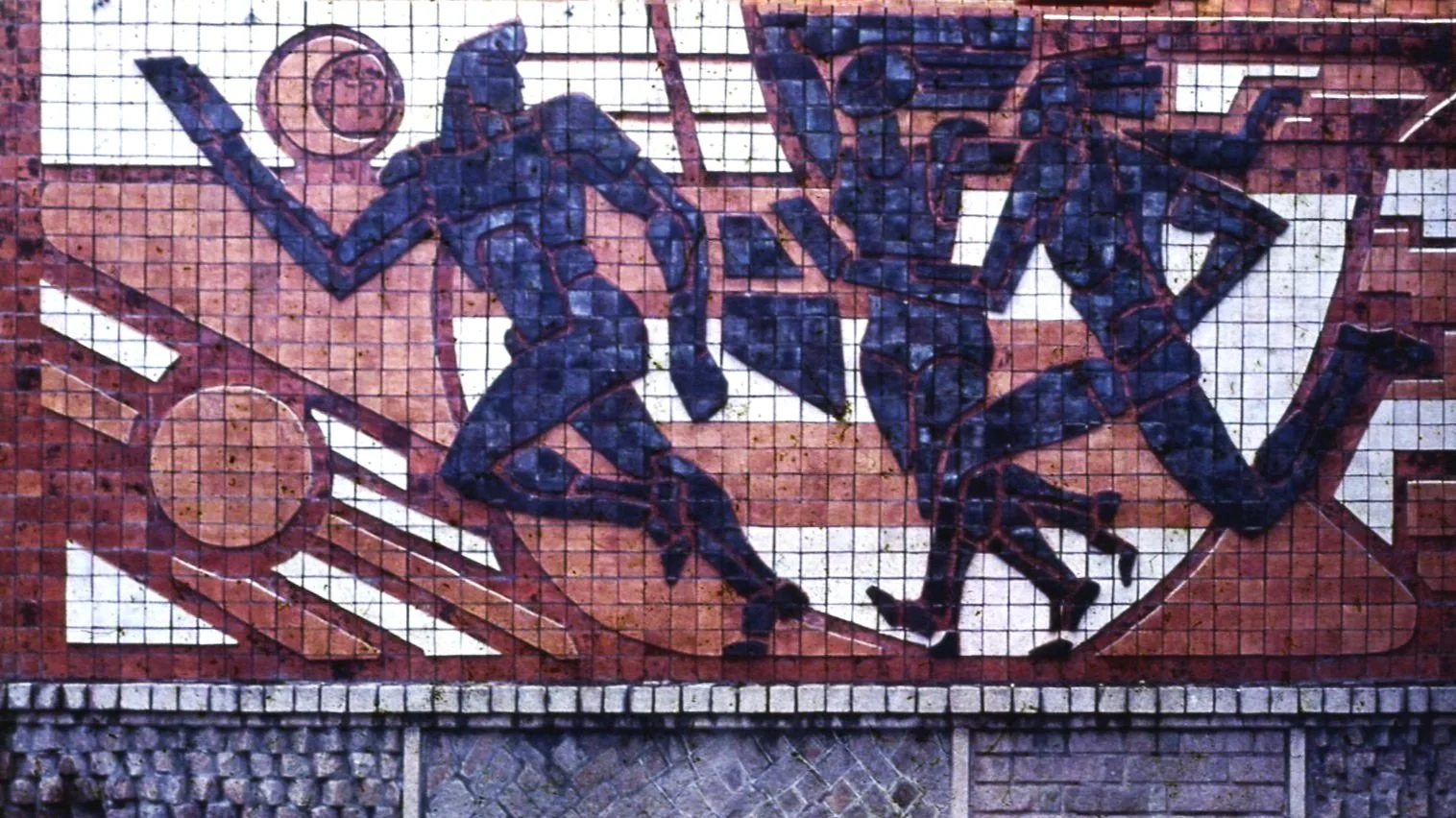
焦跃明 Jiao Yaoming 陶瓷 ceramics 15000 x 5000 Xiamen 1983
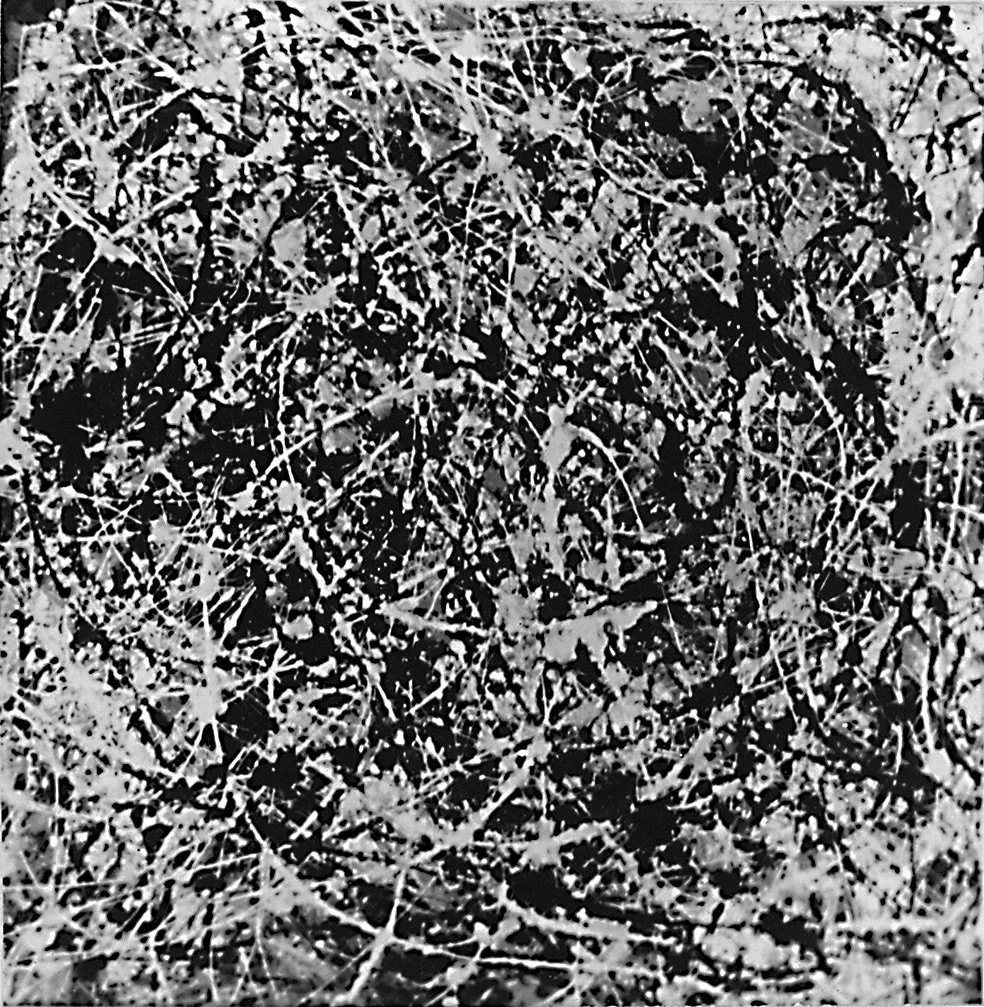
林嘉华 Lin Jiahua 油画 Oil on Canvas. (色彩 was colour) 1240 x 1240 1983
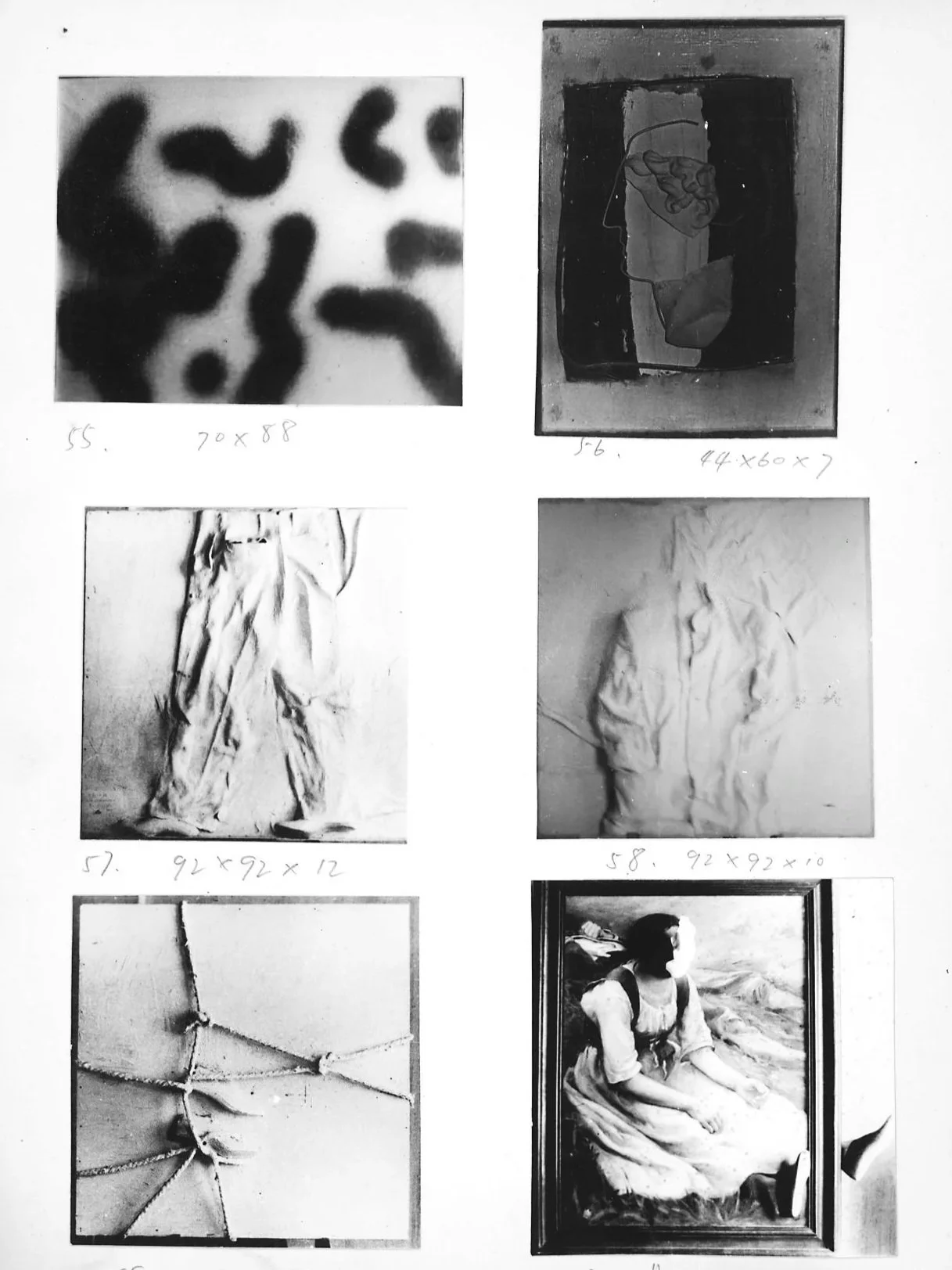
黃永砯 Huang Yongping 厦门五人现代美术展 Xiamen Modern Art Exhibition of Five Artists 1983
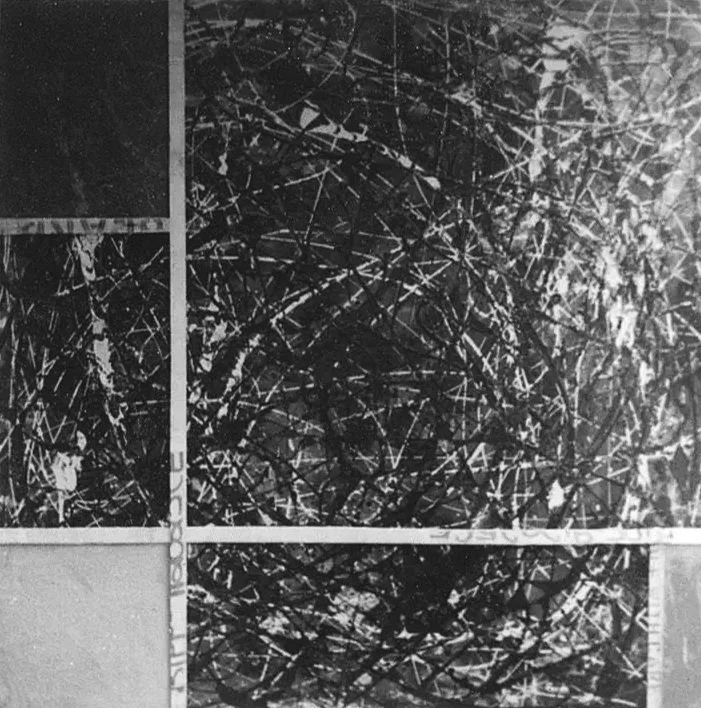
林嘉华 Lin Jiahua 油画 Oil on Canvas ( 色彩 was colour) 1983
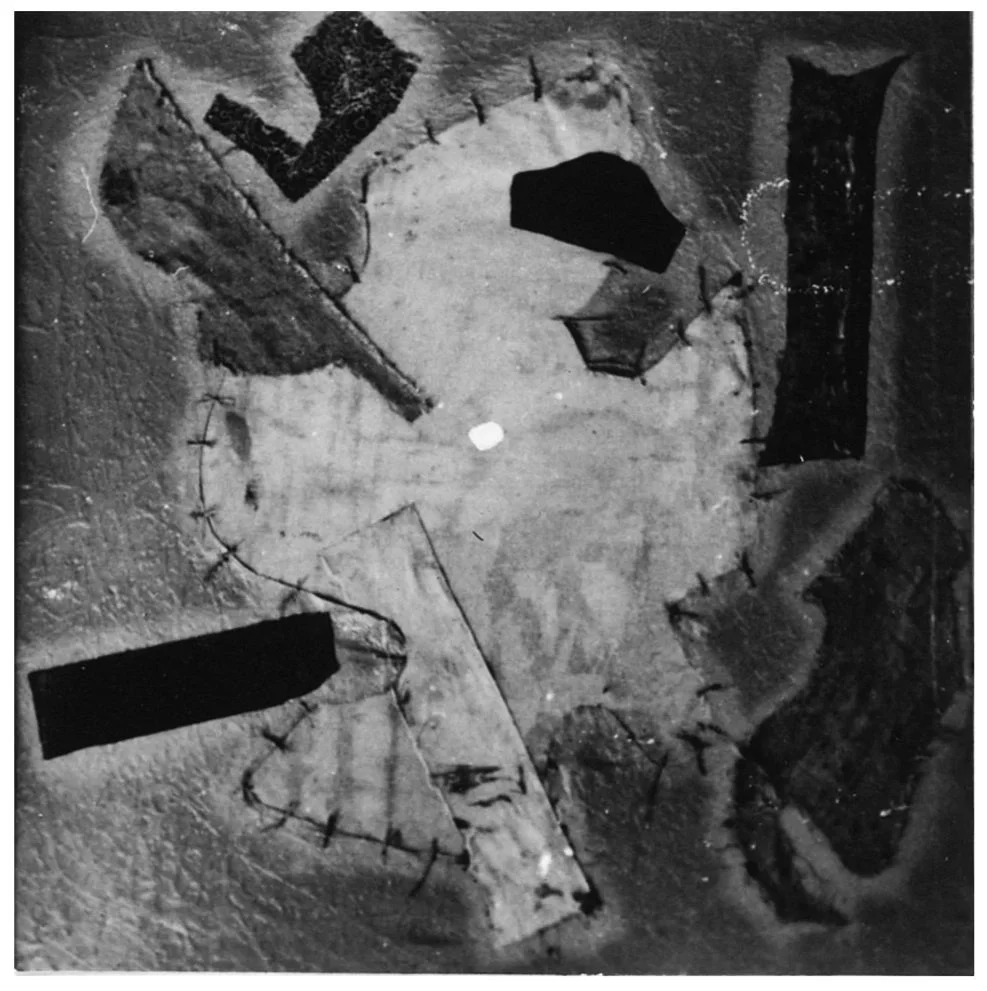
黃 永砯 Huang Yong ping 油画 - 綜合材料 mix material and oil on canvas (色彩 was colour) 1983
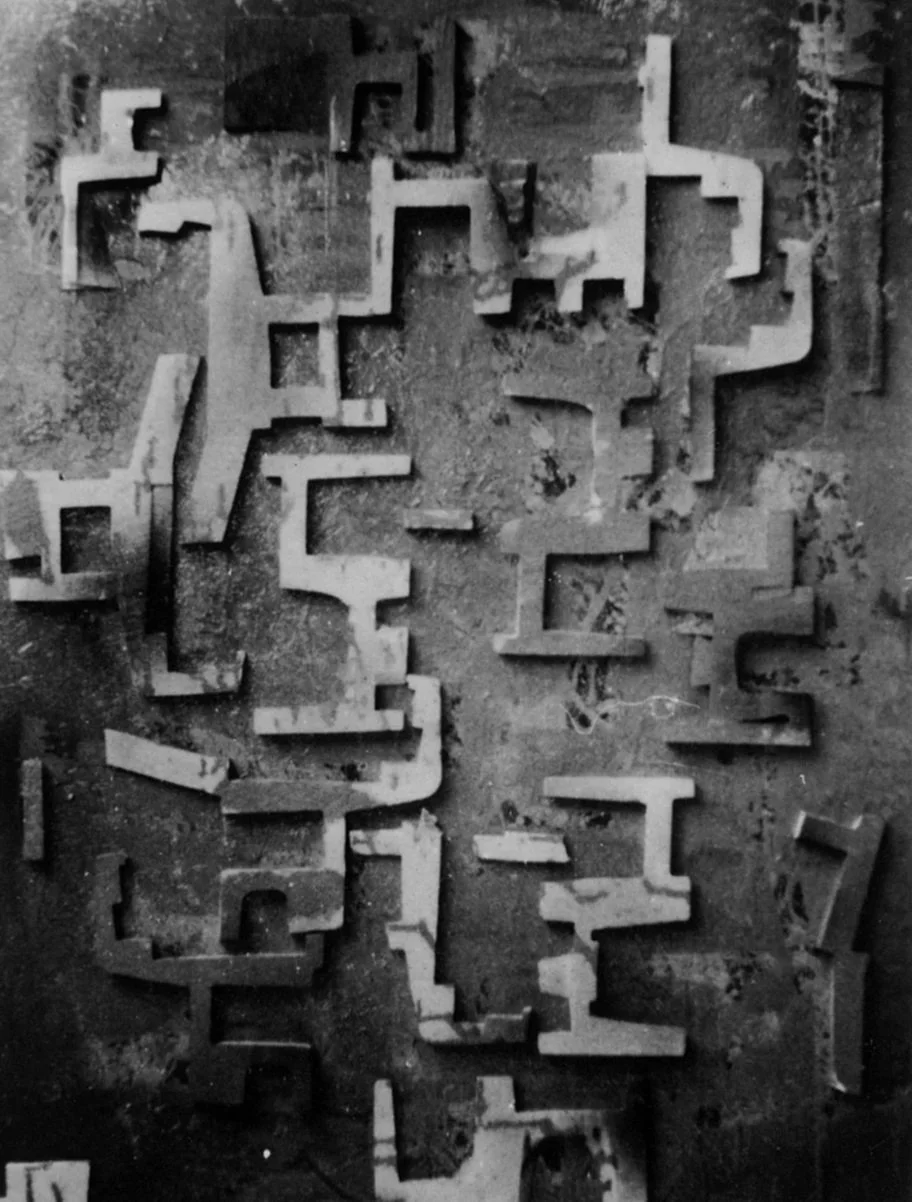
黃 永砯 Huang Yong ping 油画 - 綜合材料 780 x 1080 mix material and oil on board ( 色彩 was colour) 厦门 Xiamen 1983
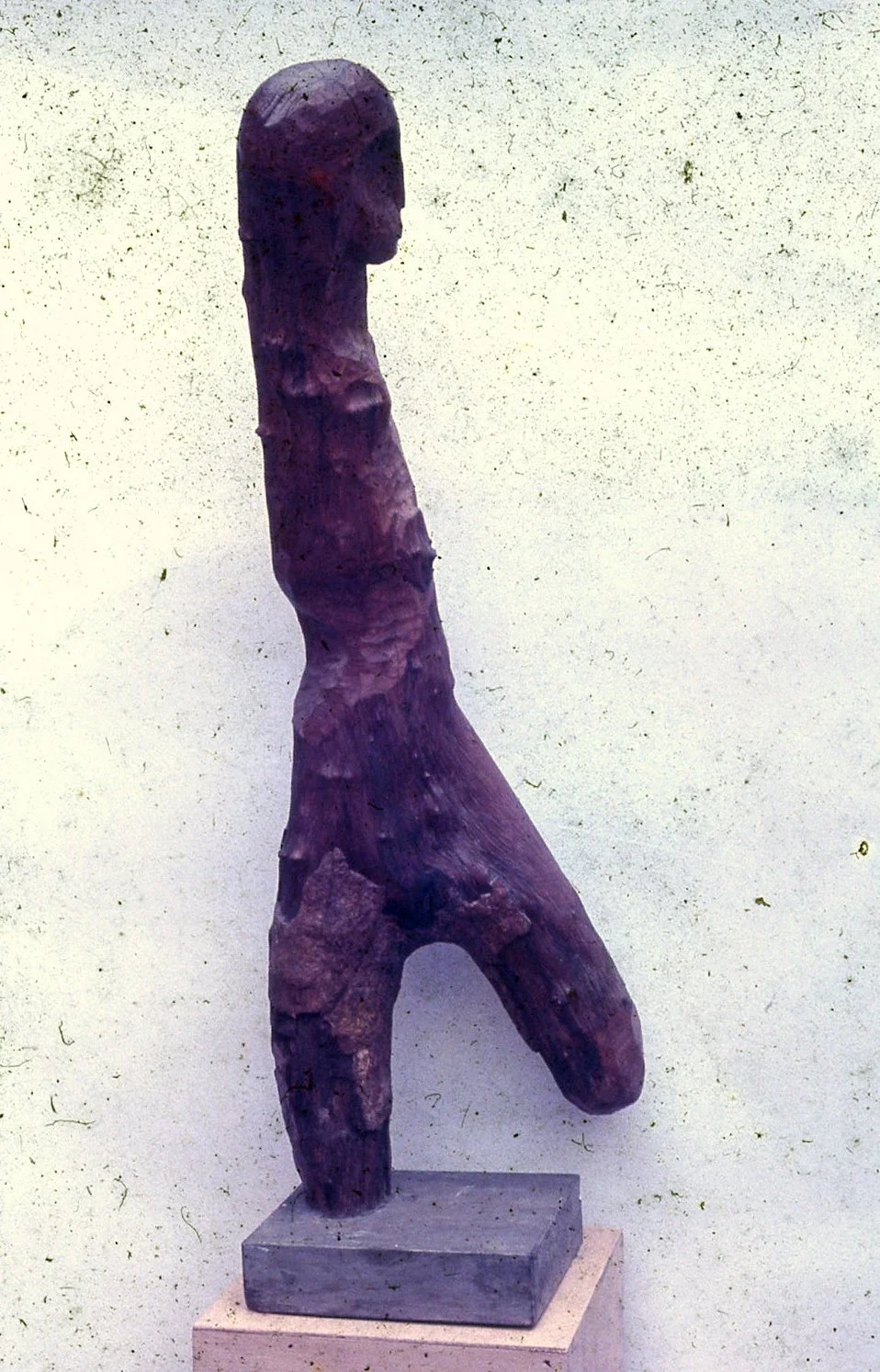
焦跃明 Jiao Yaoming 行动的人 People in action 龙眼木雕 Longan wood carving 1983
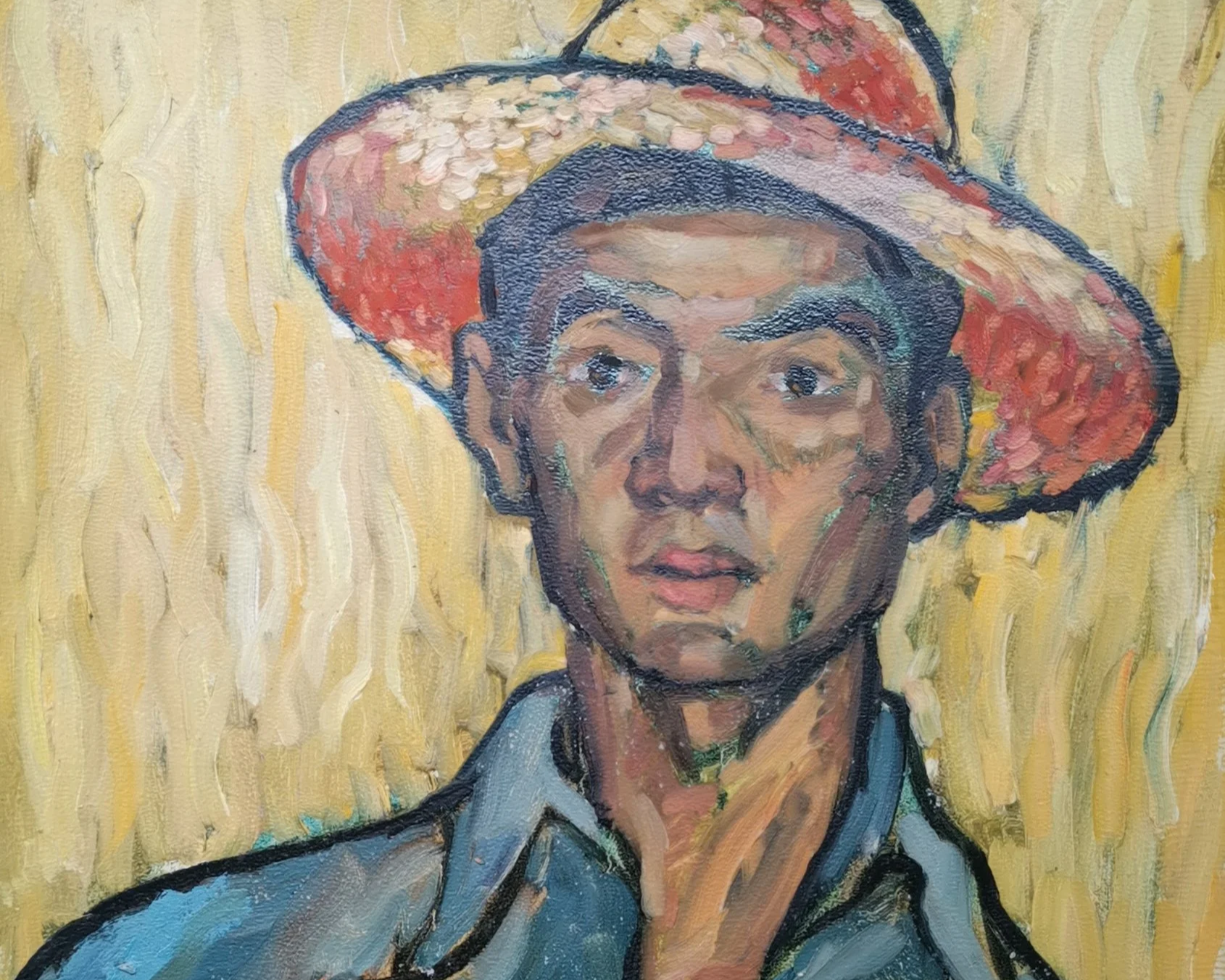
许成斗 Xu Chengdou 年輕的漁民 young fishermen Oil on Board 1983
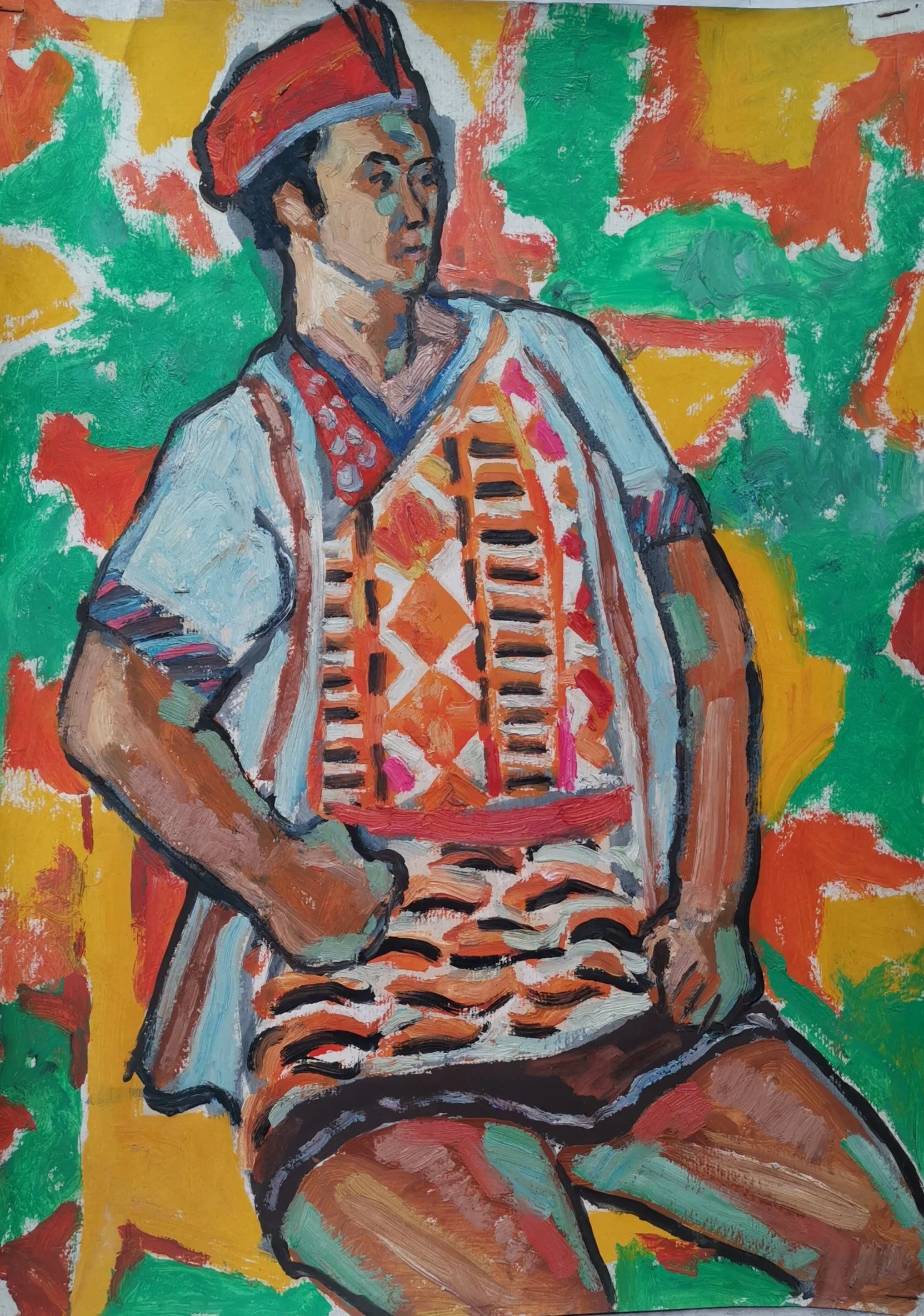
许成斗 Xu Chengdou Oil on Board 厦门 Xiamen 1983
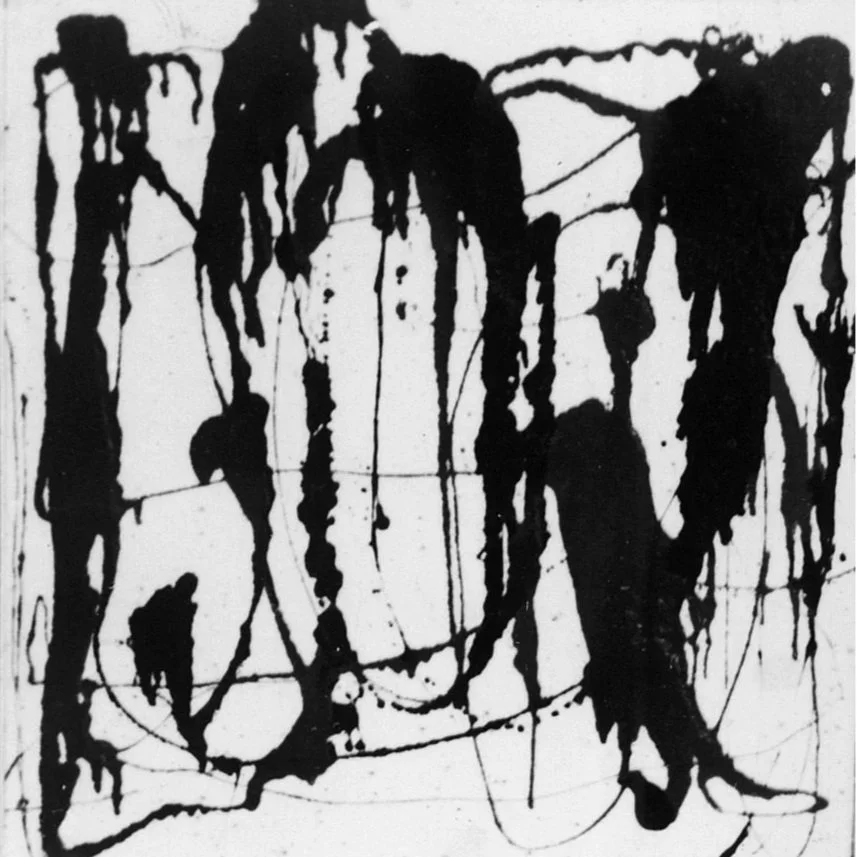
黃永砯 Huang Yongping 油画 Oil on Canvas (色彩 was colour) 1983 1150 x 1150
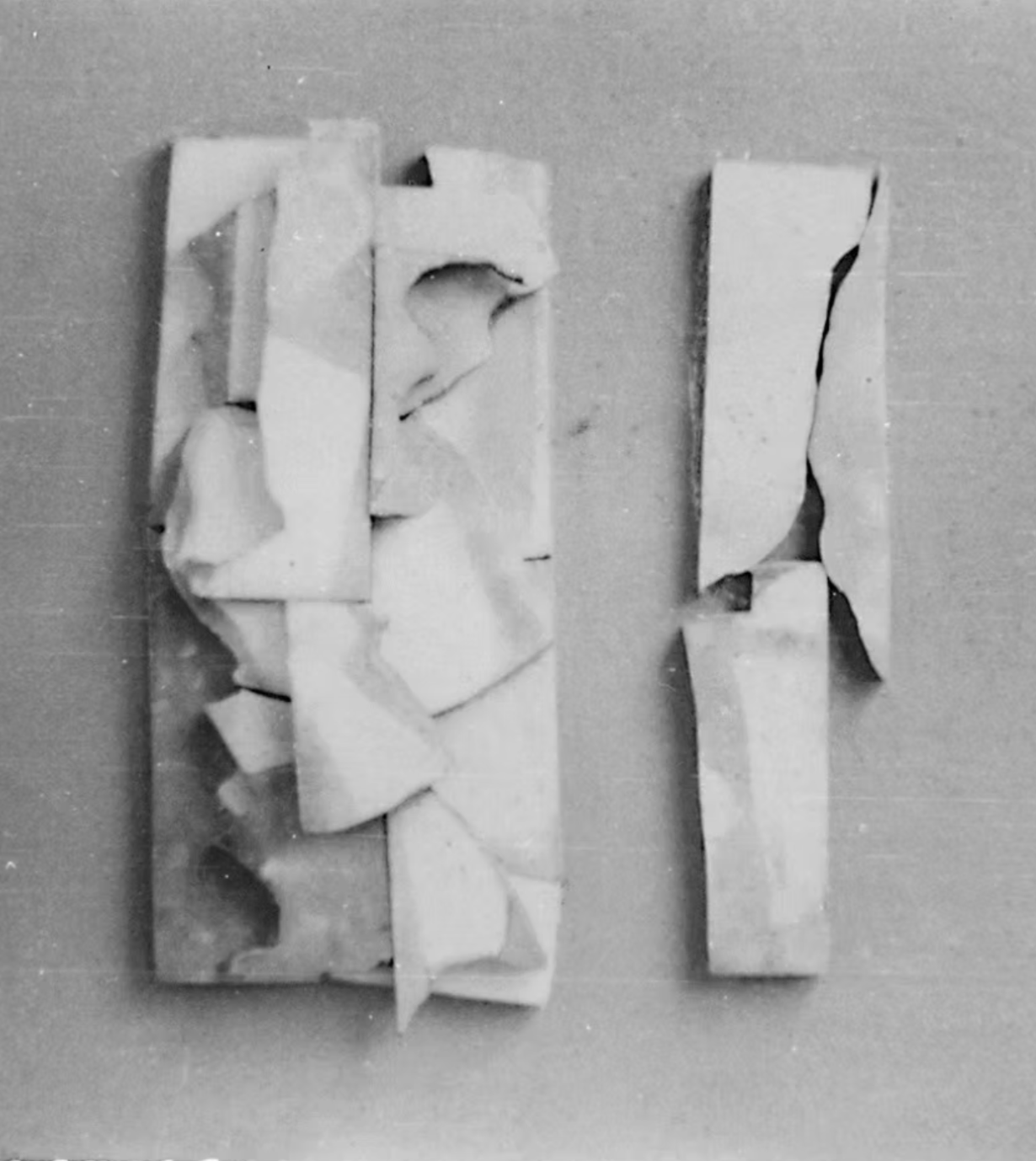
黃永砯 Huang Yong ping 厦门 Xiamen. ( 色彩 was colour) 1983
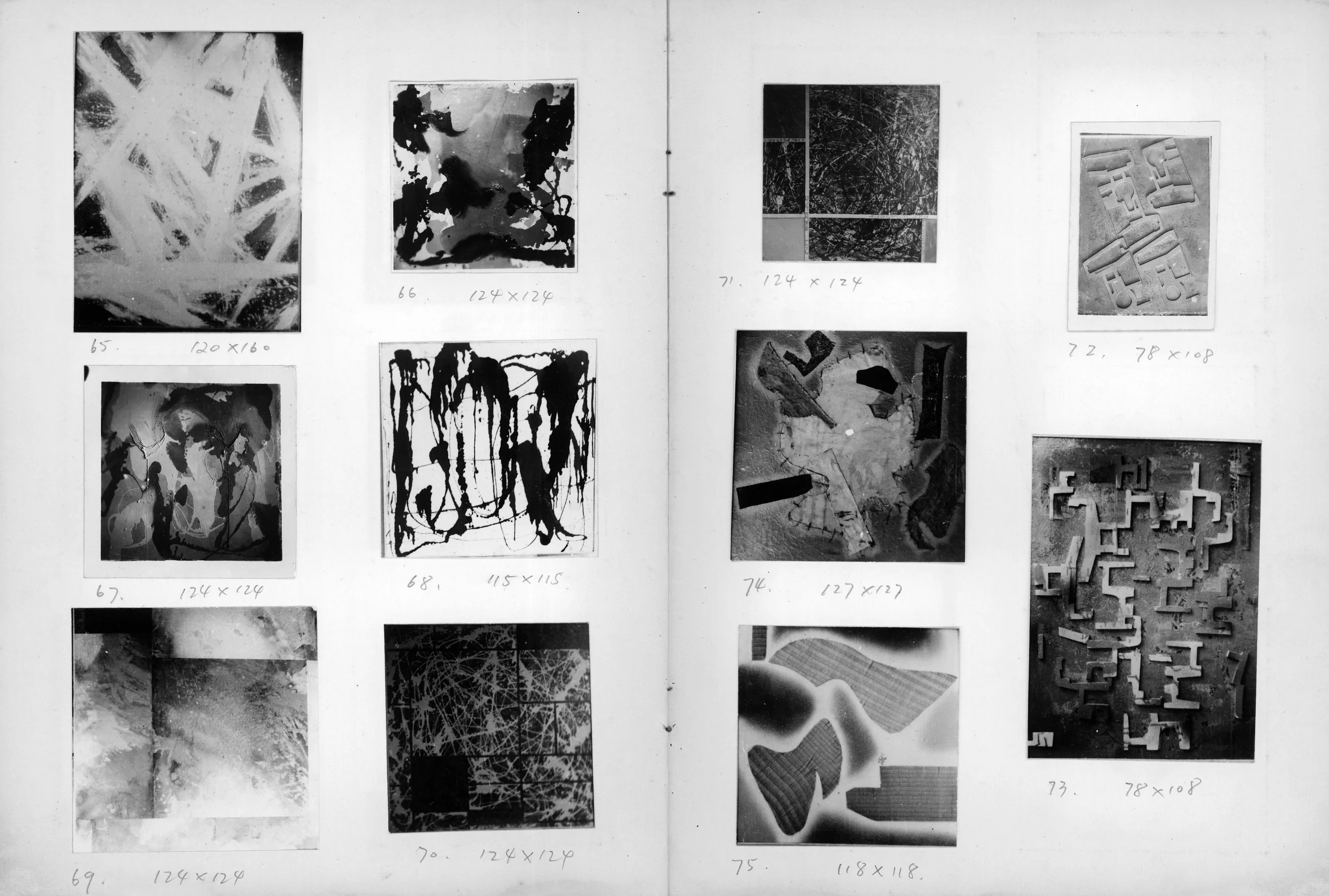
黃永砯 Huang Yong ping 油画 - 綜合材料 mix material and oil on canvas ( 色彩 was colour) 厦门 Xiamen 1983
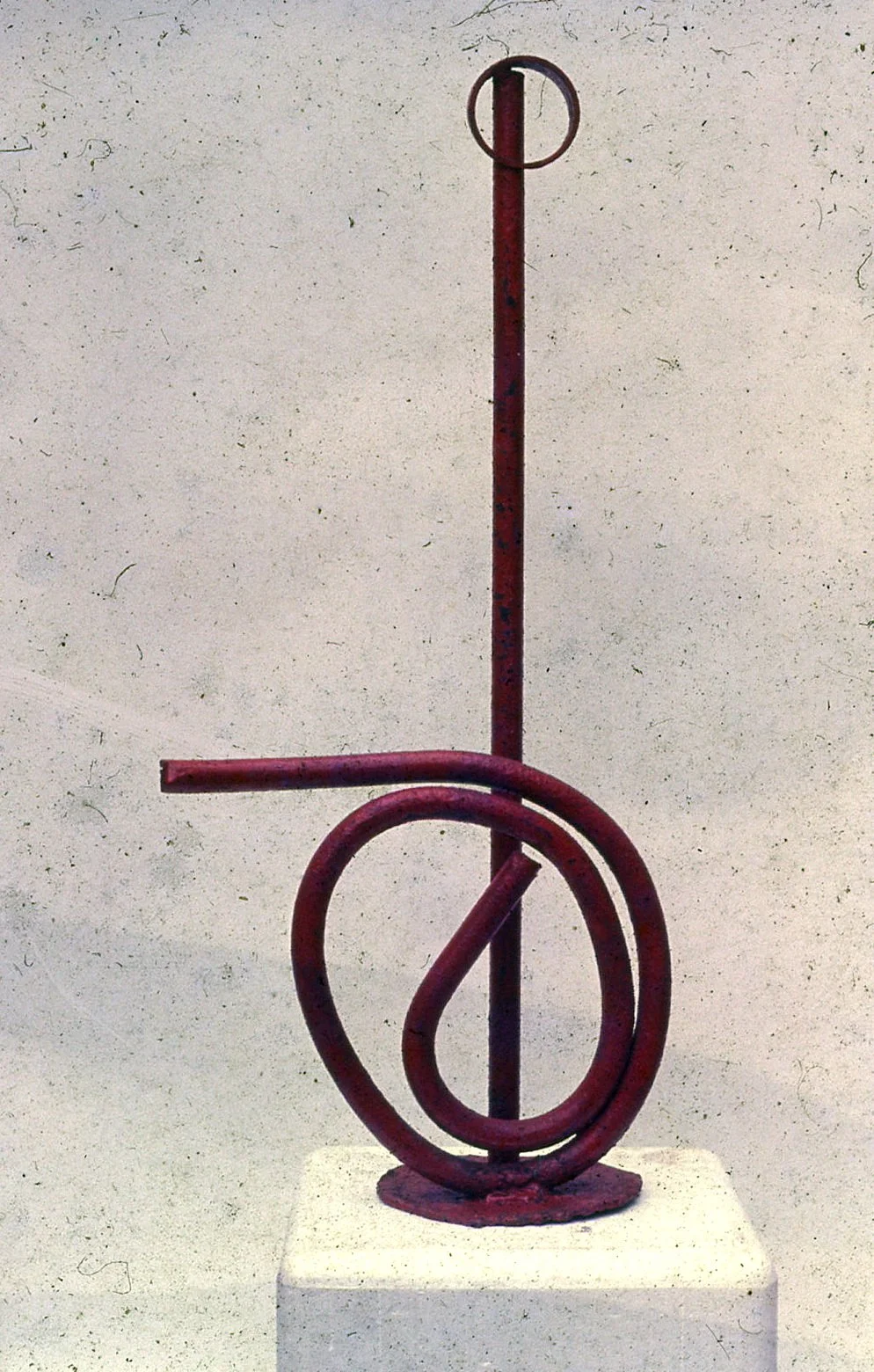
焦跃明 Jiao Yaoming 曲直 Curved and straight 1983 焊接 Metal welding
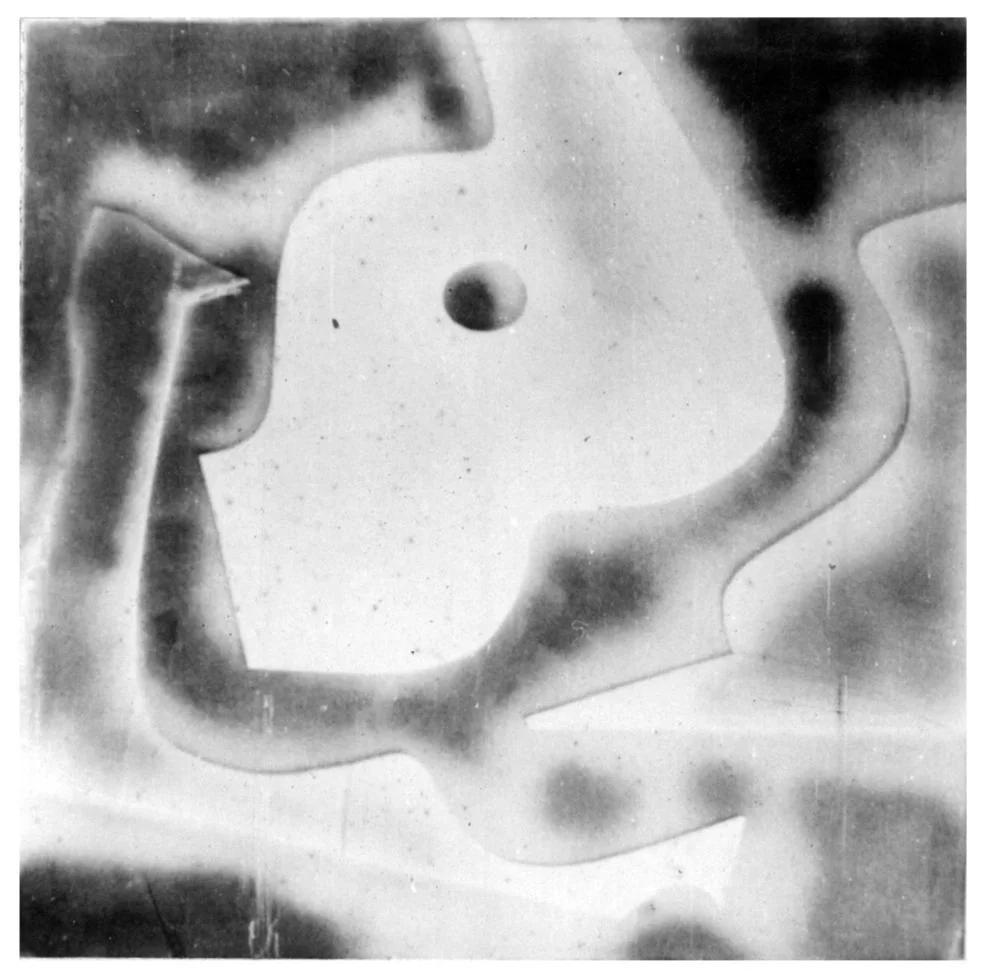
黃 永砯 Huang Yong ping 喷漆-綜合材料 mix material and Spray paint on canvas ( 色彩 was colour) 1983
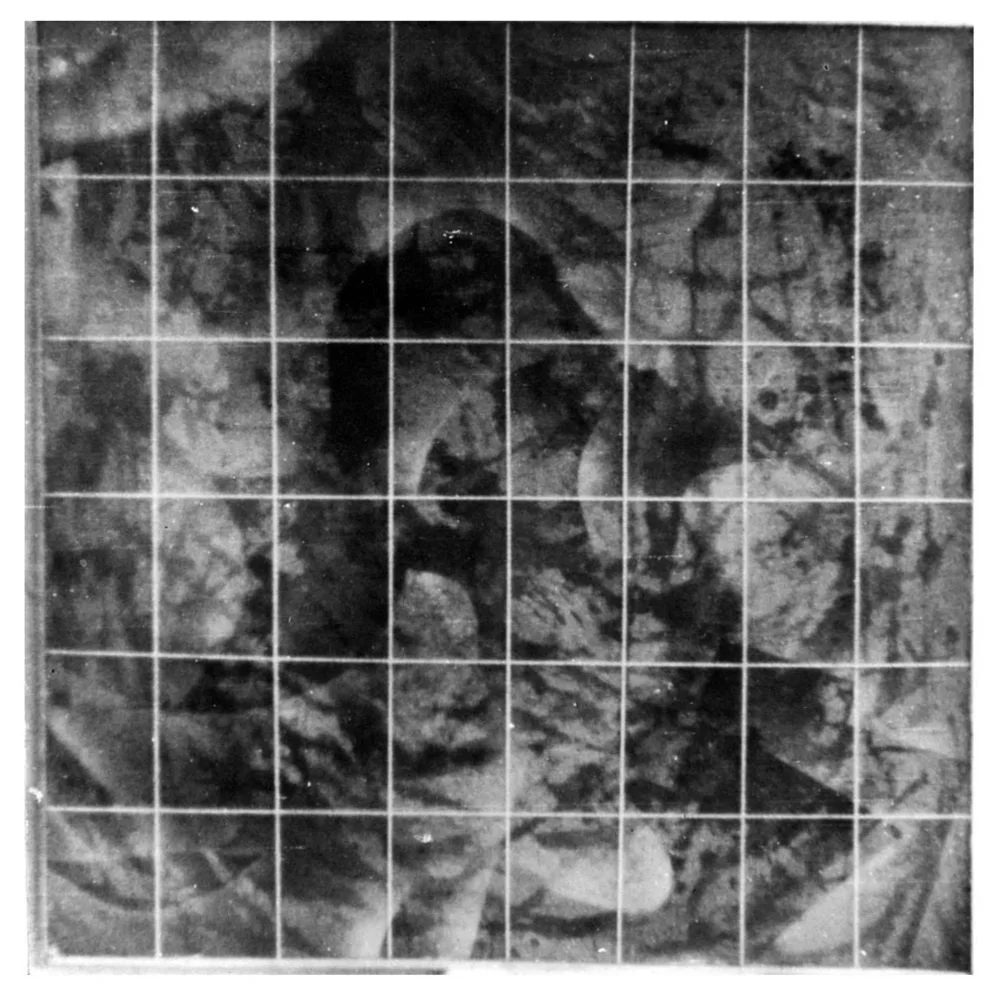
林嘉华 Lin Jiahua 油画 Oil on Canvas ( 色彩 was colour) 厦门 Xiamen 1983
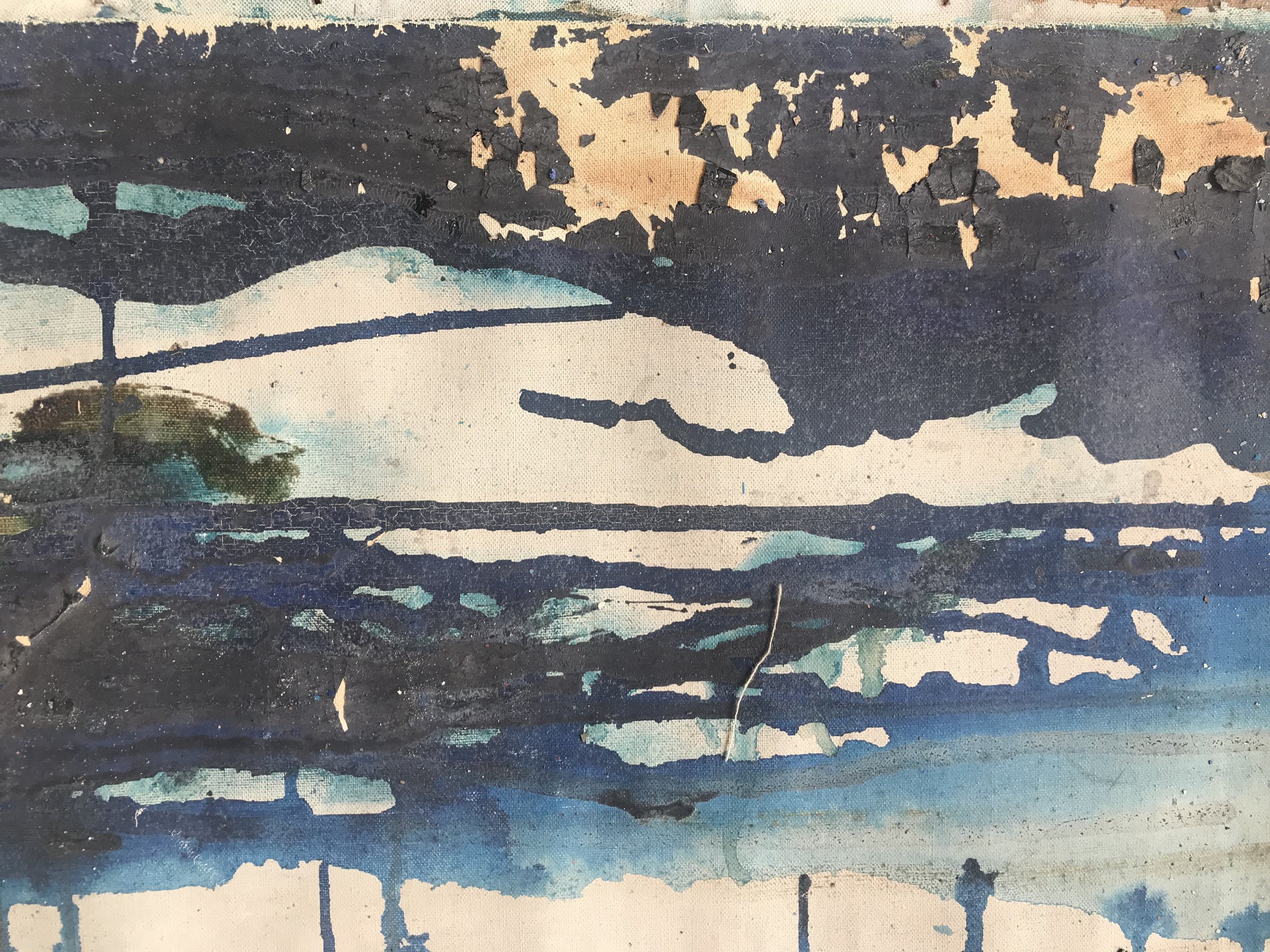
俞晓刚 Yu Xiaogang 油画 Oil on canvas 1983
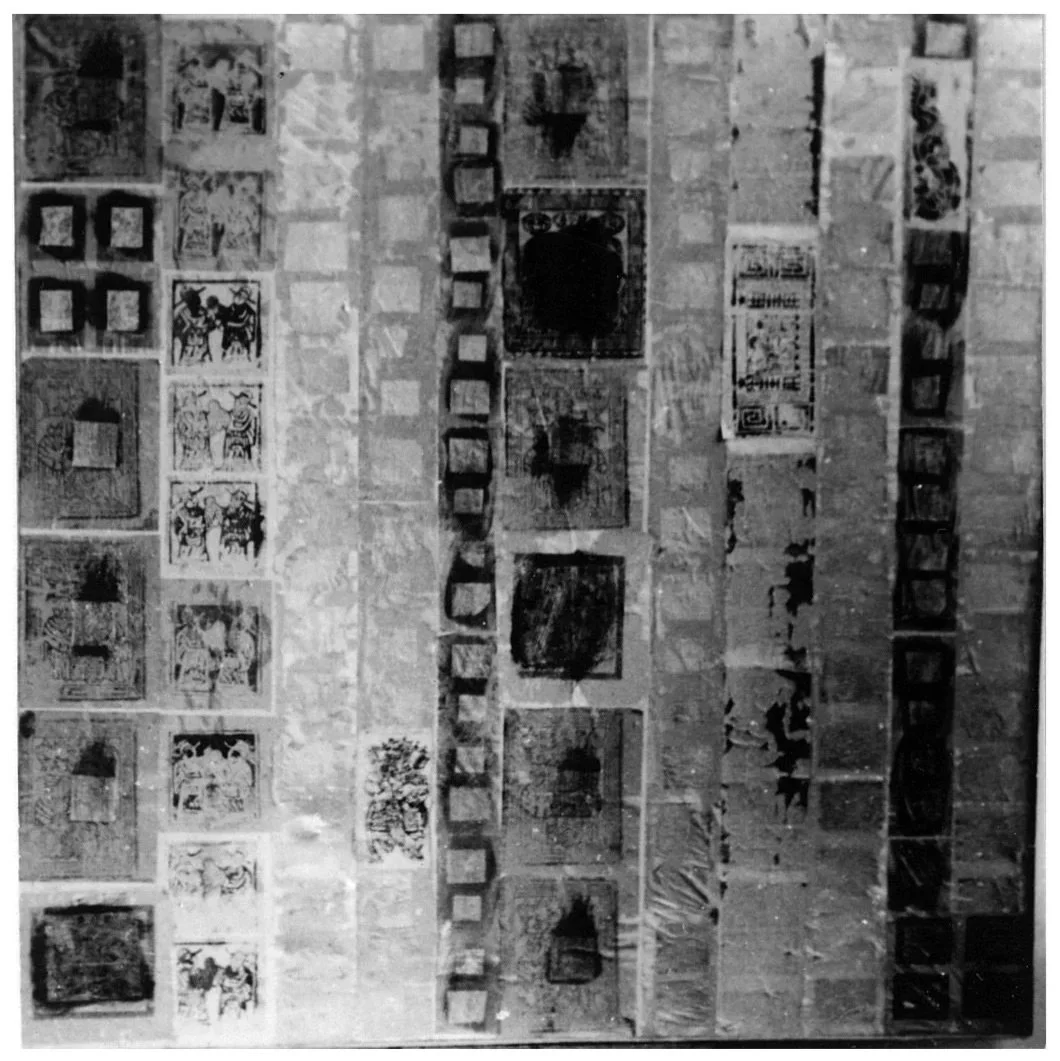
林嘉华 Lin Jiahua 油画 Oil on Canvas (色彩 was colour) 厦门 Xiamen 1983
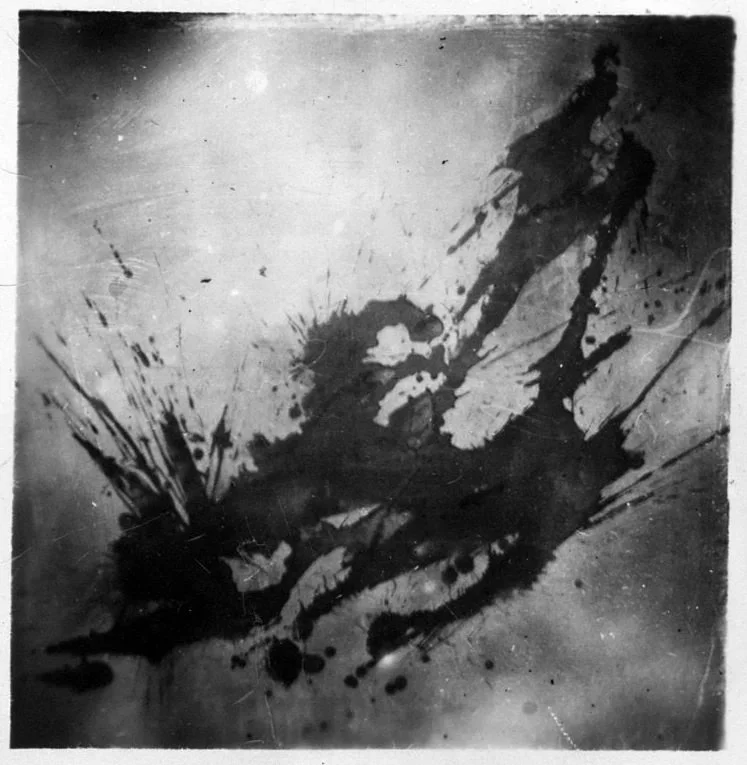
林嘉华 Lin Jiahua 油画 Oil on Canvas. (色彩 was colour) 1983
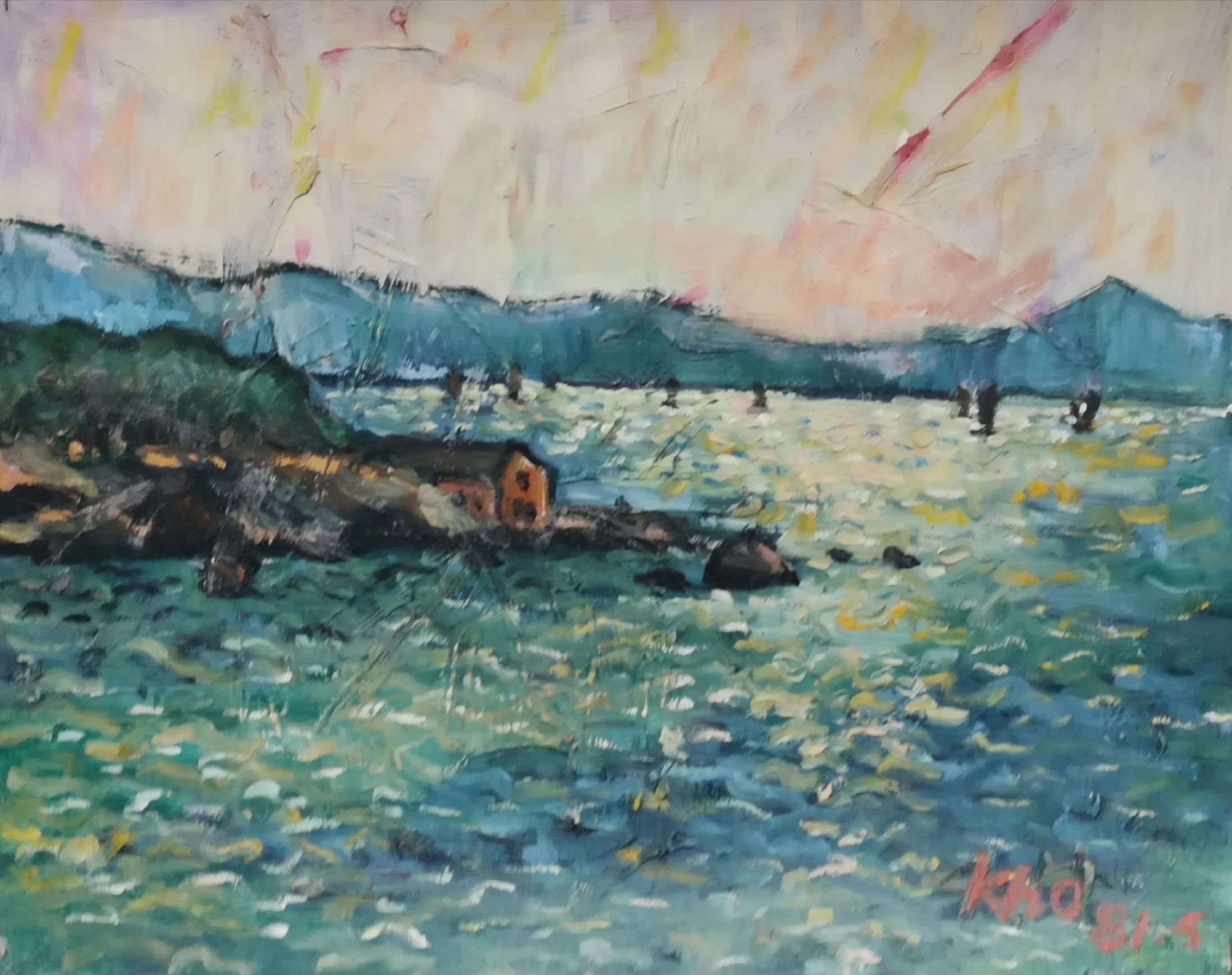
许成斗 Xu Chengdou 厦门鼓浪屿 Gulangyu Island, Xiamen 1981 Oil on Board
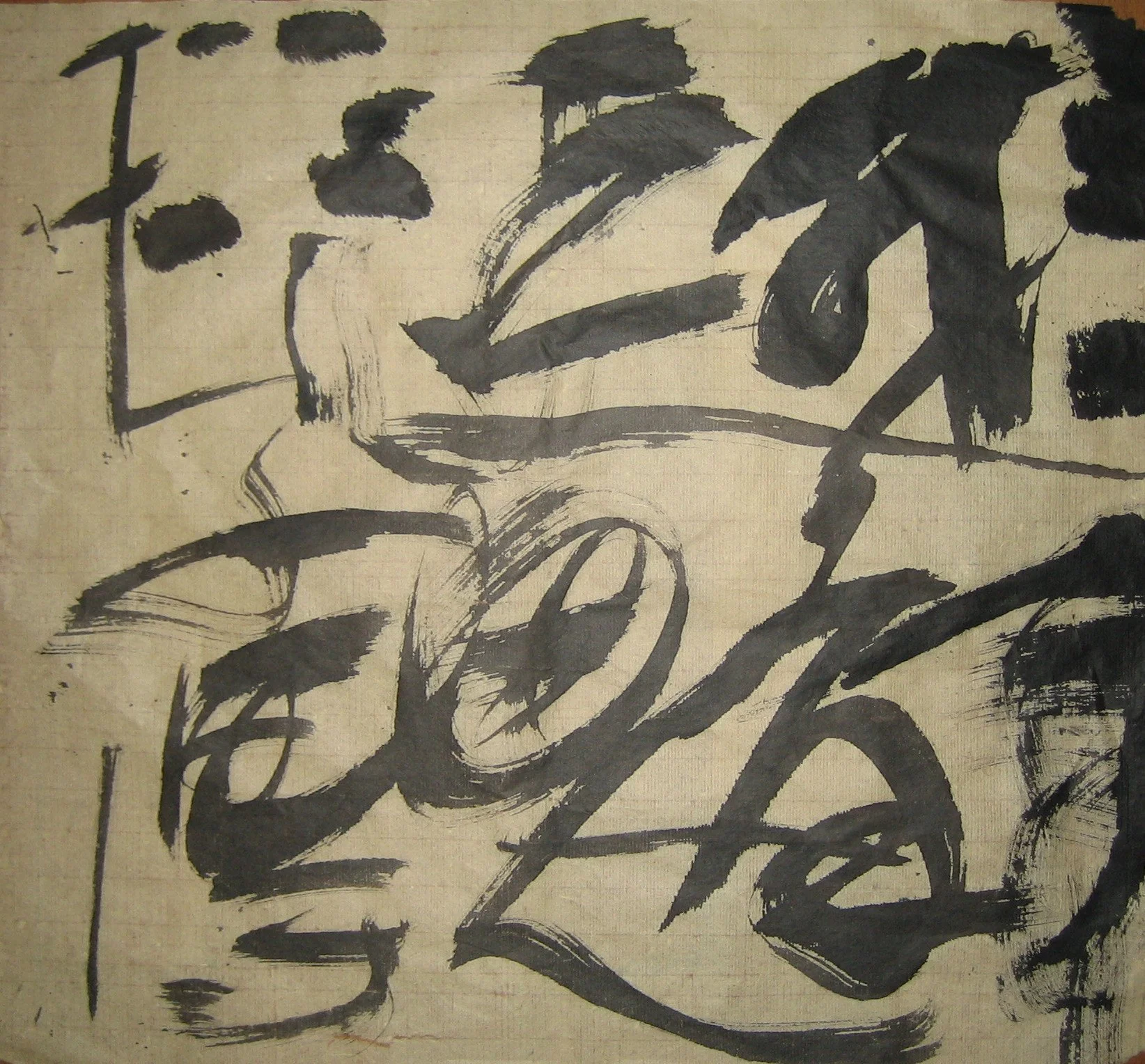
俞晓刚 Yu Xiaogang 水墨 宣紙 Ink and wash on rice paper. 1983
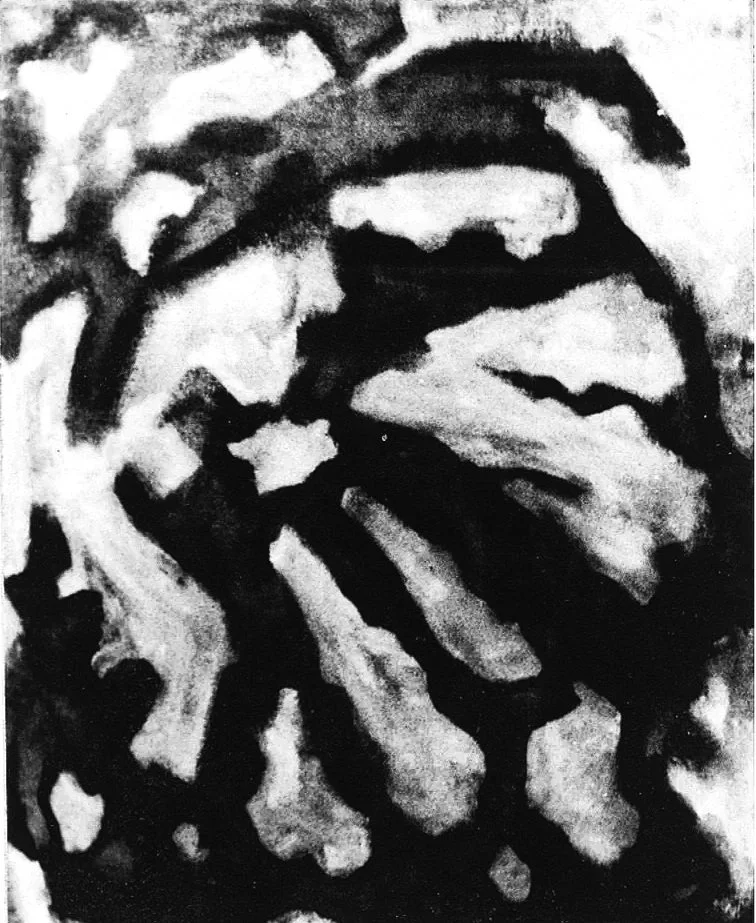
林嘉华 Lin Jiahua 油画 Oil on Canvas. (色彩 was colour)
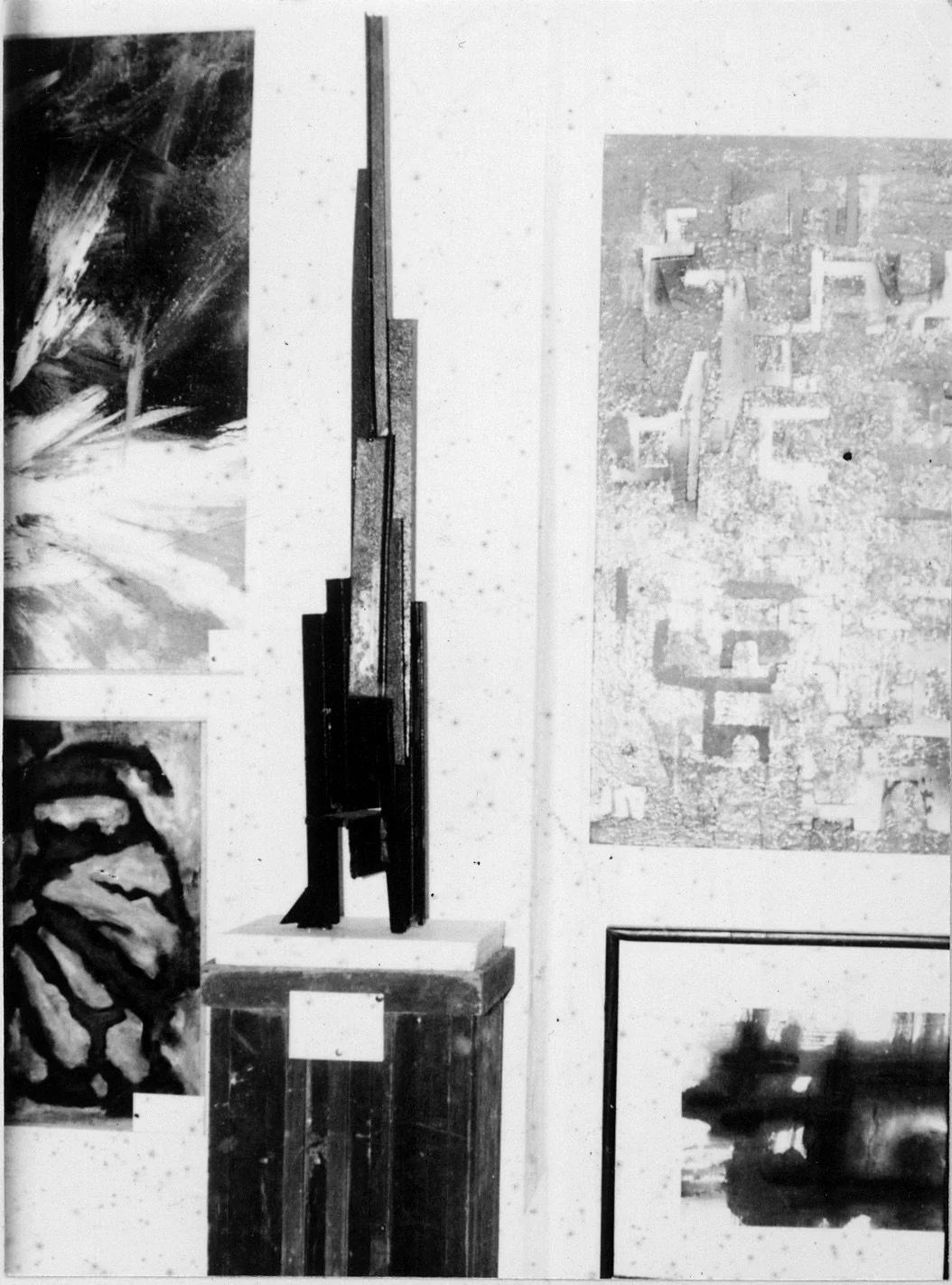
焦跃明 Jiao Yaoming 巴洛克 Baroque 1983 金属焊接 Metal welding
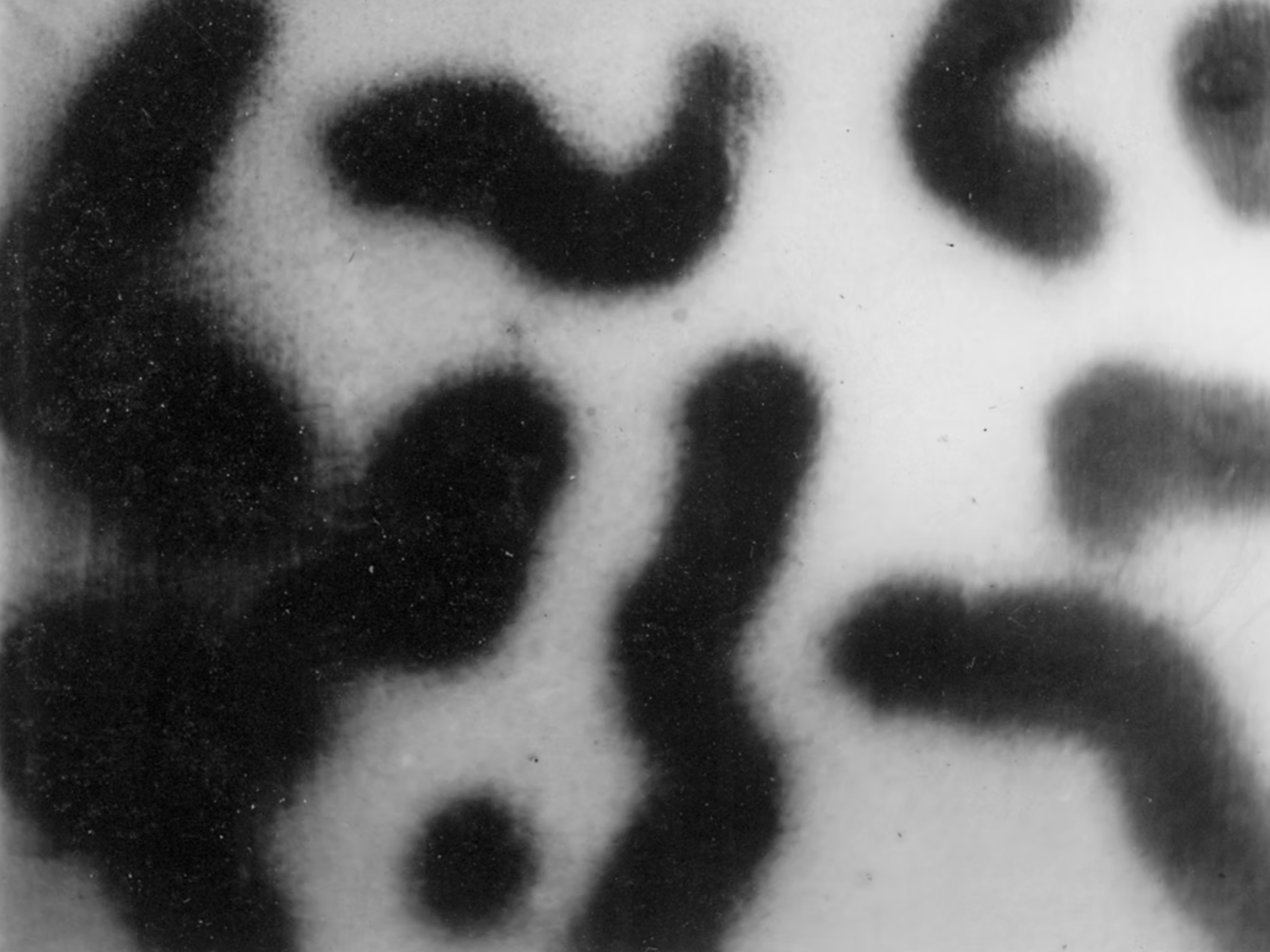
黃 永砯 Huang Yong ping 喷漆 Spray paint on canvas 700 x 880 Xiamen 1983
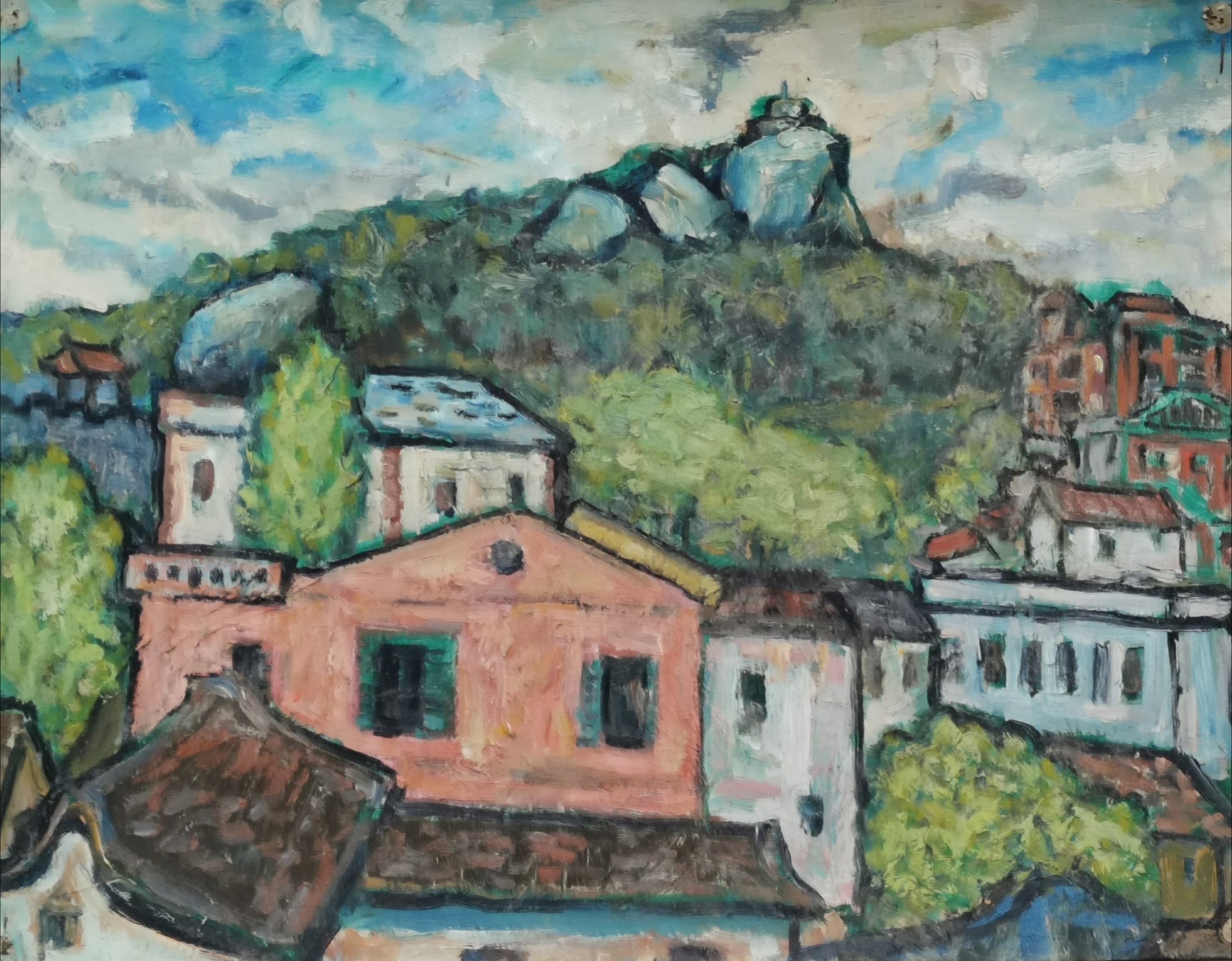
许成斗 Xu Chengdou 厦门鼓浪屿 Gulangyu Island, Xiamen Oil on Board 600 x 600 1983
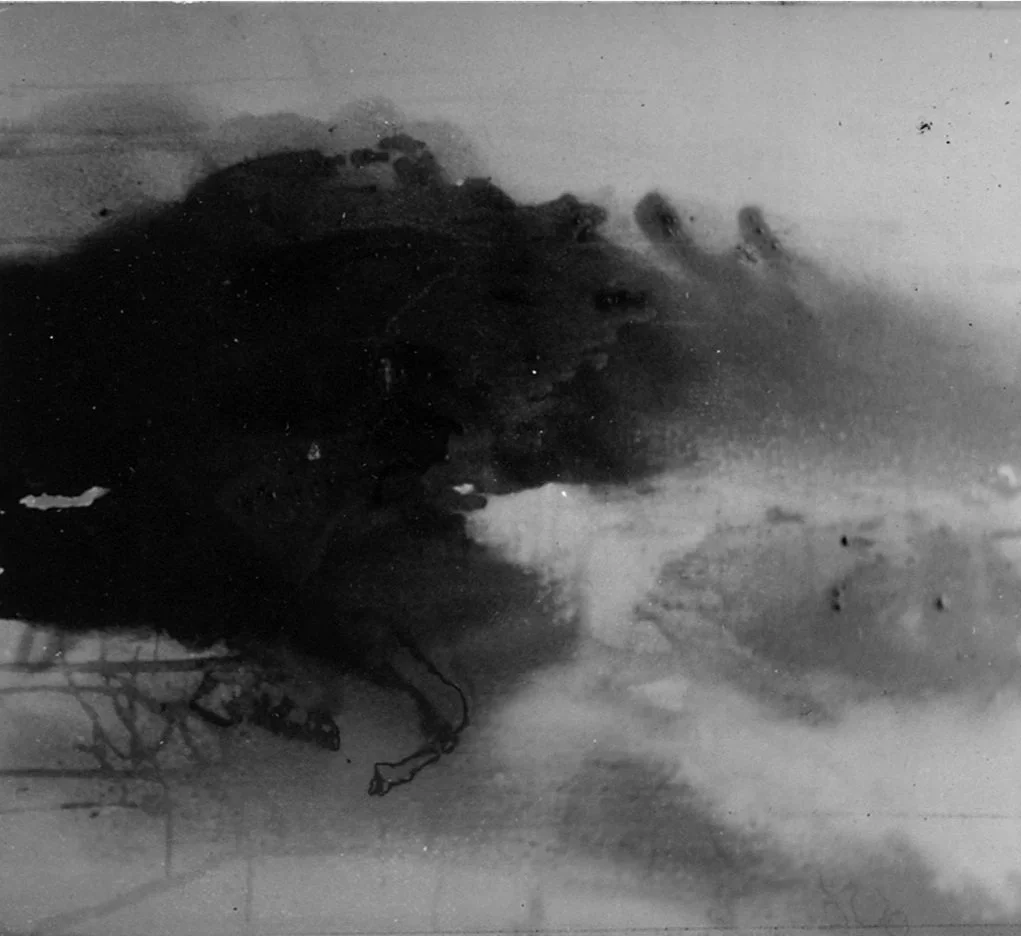
俞晓刚 Yu Xiaogang 油画 Oil on canvas ( 色彩 was colour) 900 x 900 1983
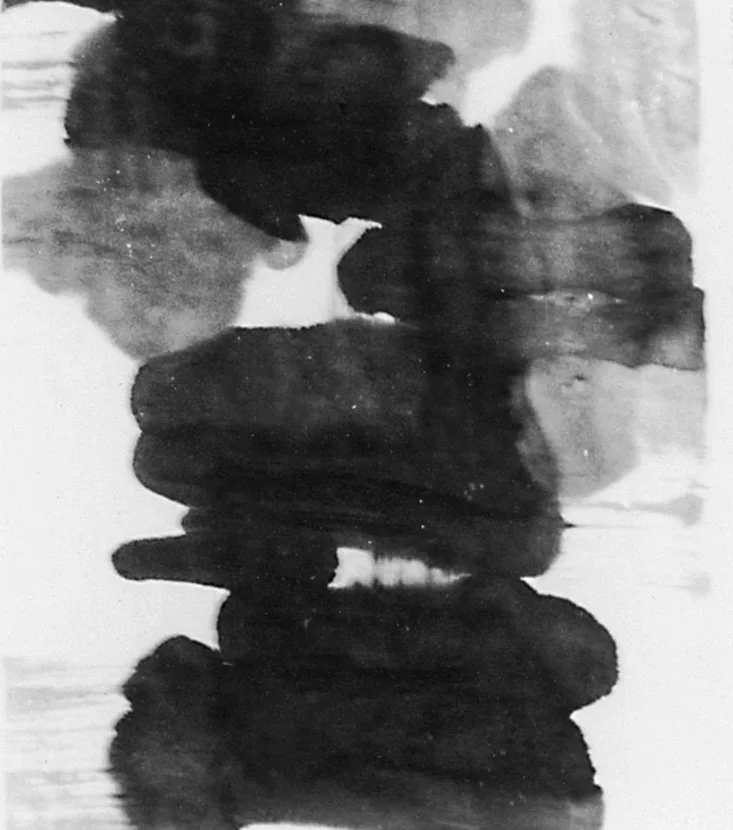
俞晓刚 Yu Xiaogang 水墨 宣紙 Ink and wash on rice paper 1983
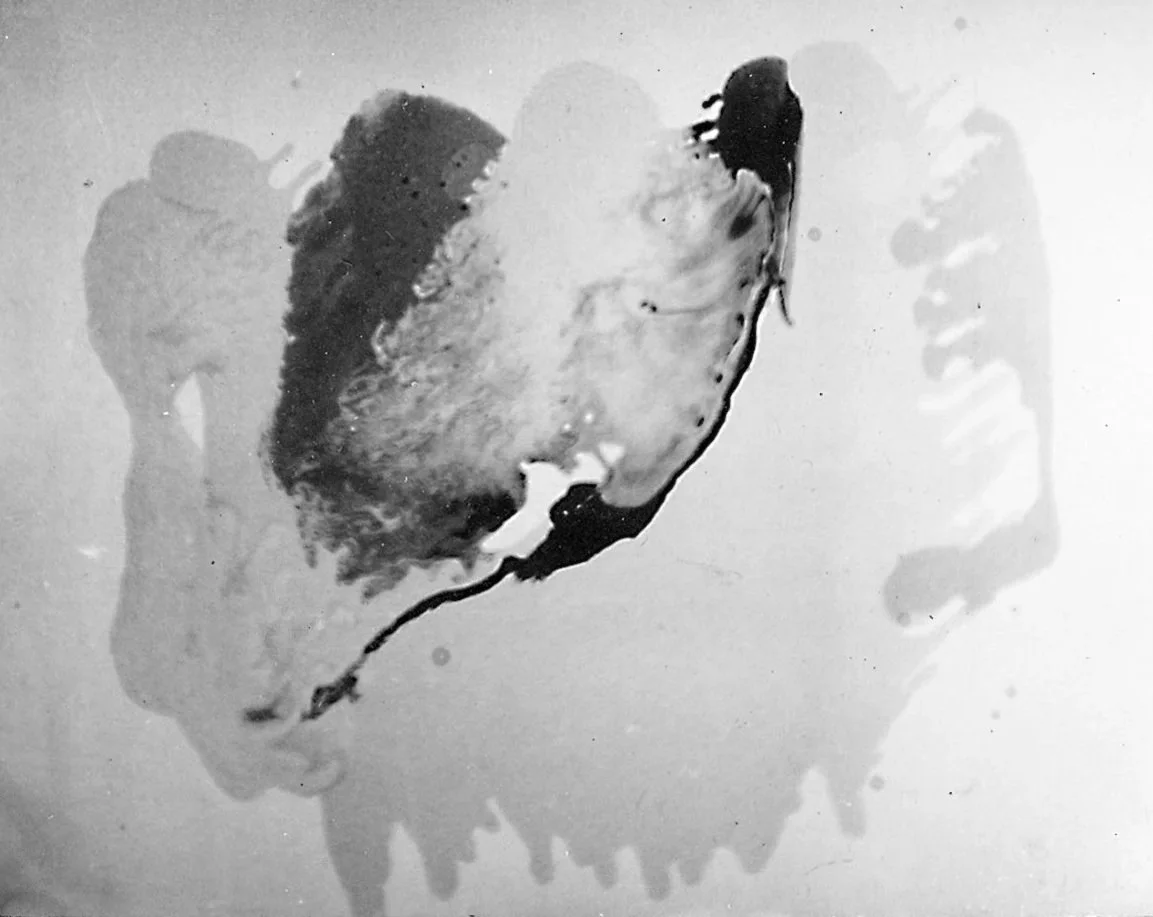
黃 永砯 Huang Yong ping Oil on canvas ( 色彩 was colour) 1983
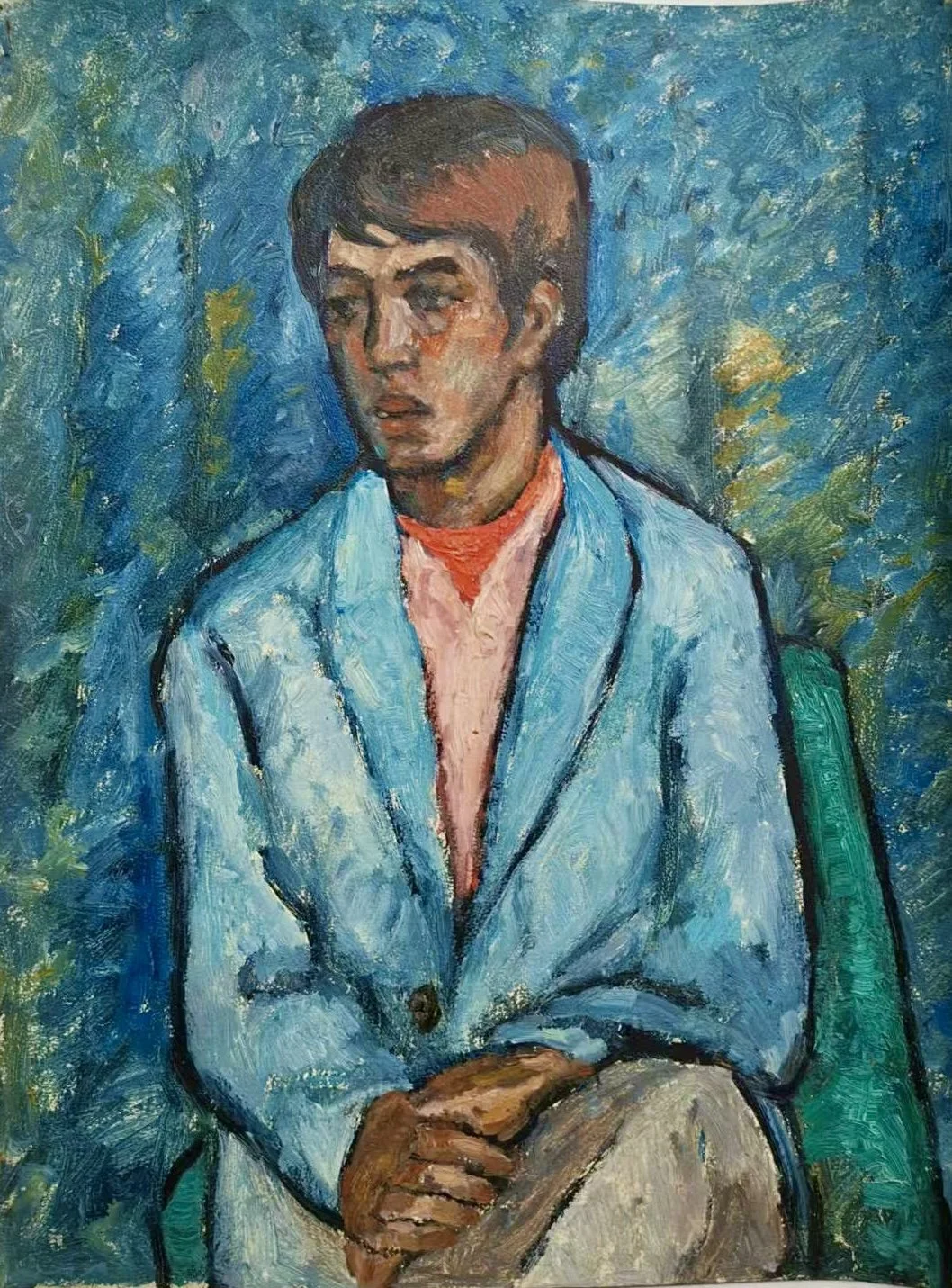
许成斗 Xu Chengdou Oil on Board 1983
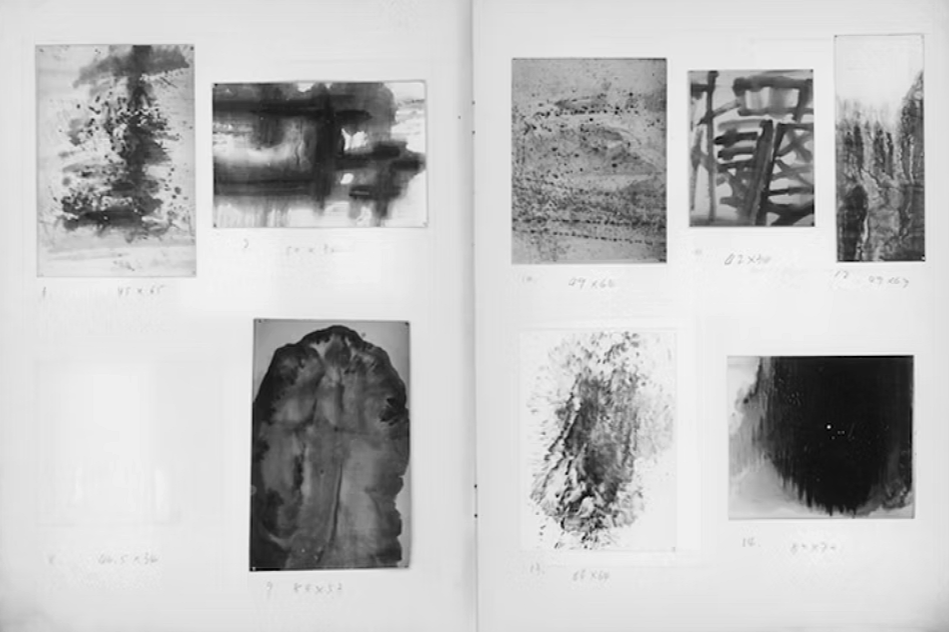
俞晓刚 Yu Xiaogang 厦门五人现代美术展 Xiamen Modern Art Exhibition of Five Artists 水墨 宣紙 Ink and wash on rice paper. 1983